Questions? We’ve got answers.
Orders, shipping, payment and returns
We ship to the lower 48 states, and shipping is included on our products except liquid extract totes. Can’t find what you’re looking for below? Give us a call or send us a note.
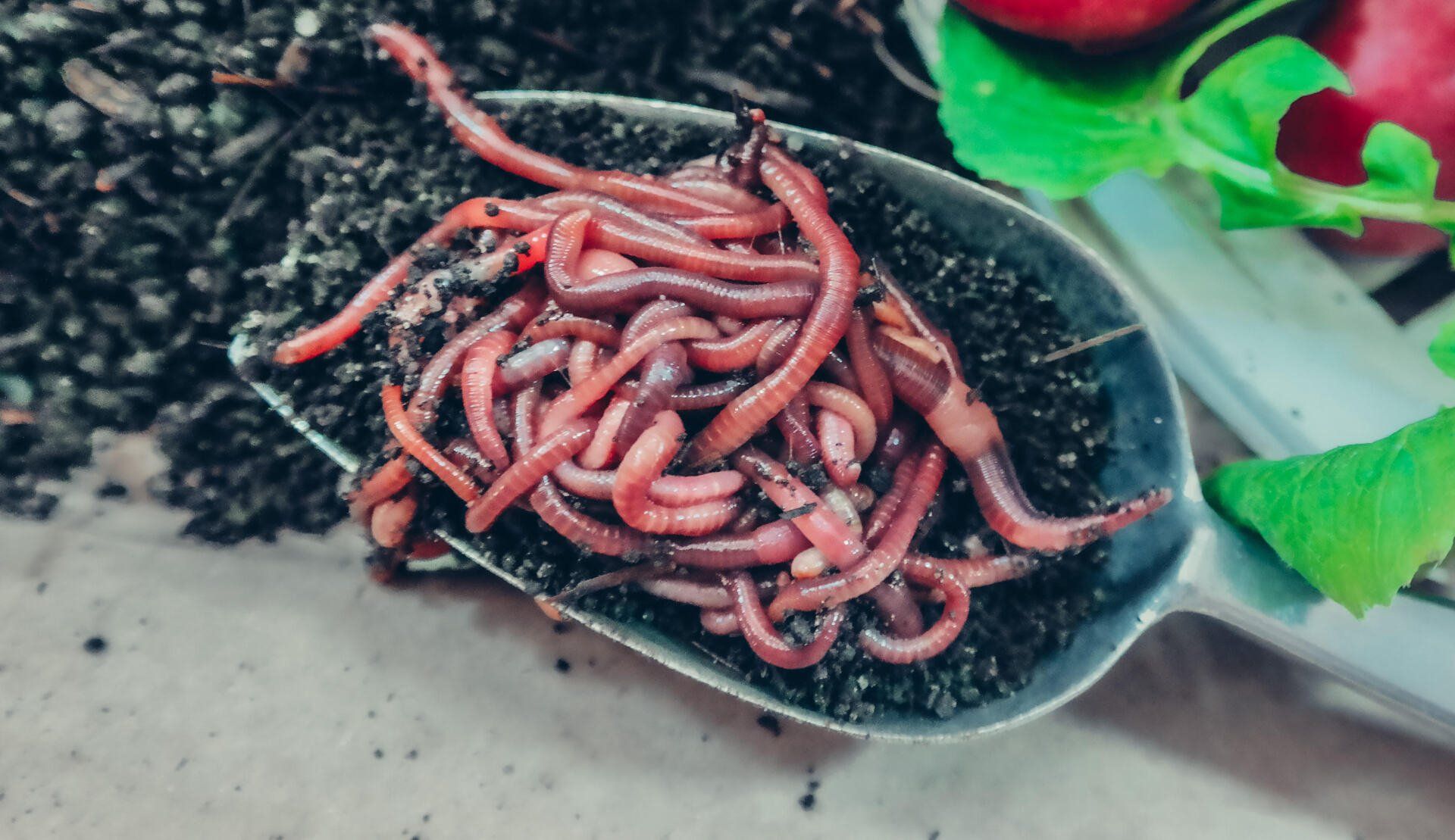
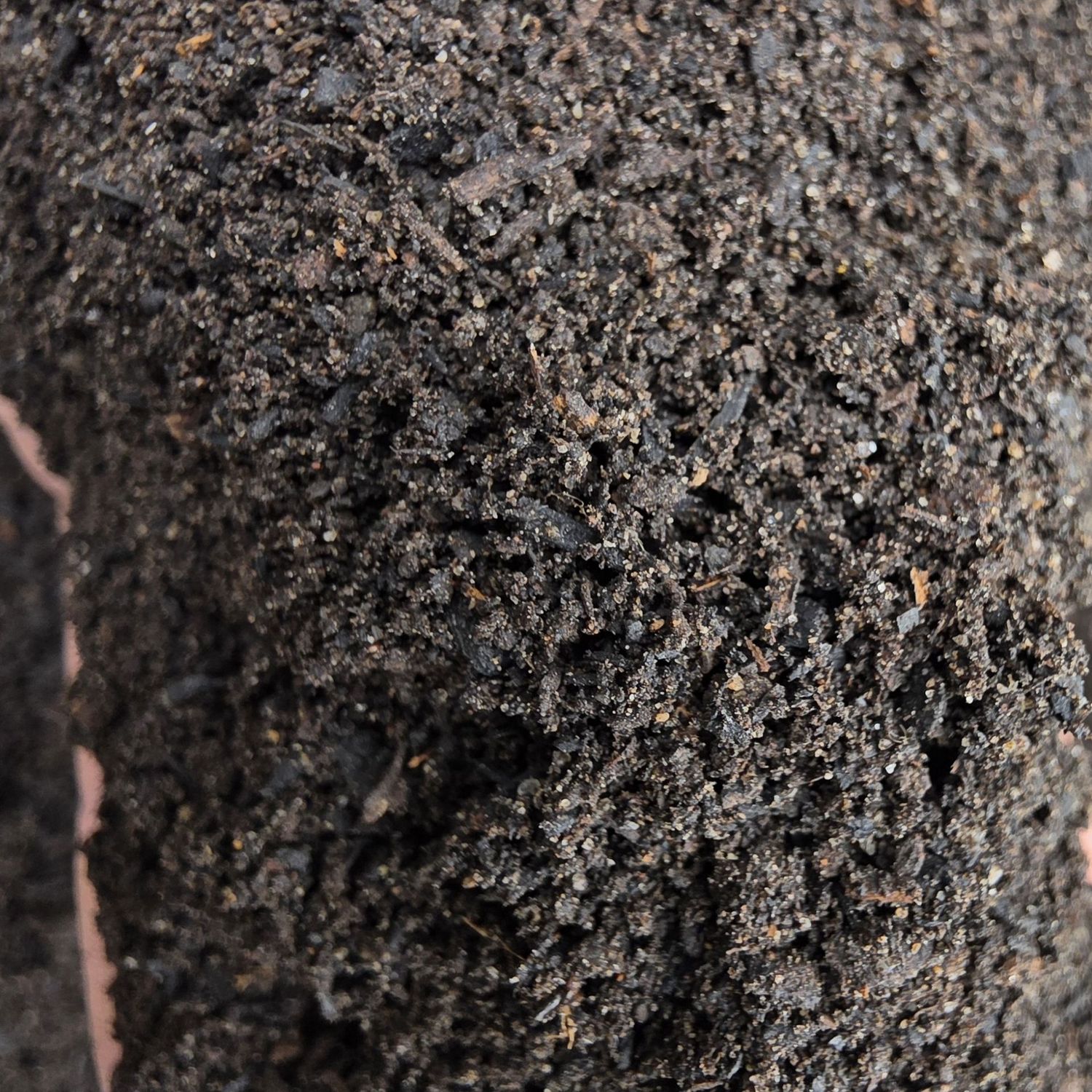 Red Wiggler Worm Castings
Orders & Shipping
-
Where do you ship to?
We ship to the lower 48 states.
-
Is shipping included in the price of my order?
Yes, shipping is included in the price of our Fed 'n Happy products except for the liquid extract totes. The shipping cost for the liquid extract tote is calculated based on the final destination and will be charged in addition to the cost of the product.
-
How do I check the status of my order?
You can check the status of your order on our Track Orders page.
Alternatively, you can email us at happy@fednhappy.com or call anytime at +1 (833) GO WORMS.
-
When do you charge my credit card?
We charge your card when your order is submitted.
-
What's your return policy?
Here's how returns work:
- Castings and soil products: all sales are final, since they're natural, biologically active materials.
- Damaged or wrong order: email happy@fednhappy.com within 7 days of delivery with a photo of the product and packaging, and we'll replace it or refund you.
- Live worms and cocoons: covered by our live-arrival guarantee. If they arrive dead, email a photo within 24 hours of delivery and we'll replace them or refund you.
- 2,000 lb and Bulk orders: these ship FOB Hutchinson, so freight damage claims go through the carrier.
See our full Return Policy.
Caring for Your Worms
-
How often do Red Wigglers eat?
Red Wigglers eat organic food scraps and bedding materials every 2 to 3 days, depending on how fast they process their previous meal.
-
What should I feed my worms?
Group your worm bin additions into "greens" (nitrogen-rich foods) and "browns" (carbon-rich bedding).
Greens (Yes):
- Fruit scraps (apples, melons, berries, banana peels)
- Vegetable scraps (lettuce, squash, carrots, broccoli)
- Coffee grounds and paper filters (in moderation)
- Crushed eggshells (provide calcium and essential grit for digestion)
Browns (Yes):
- Shredded cardboard (corrugated boxes, egg cartons)
- Shredded paper (newspaper, non-glossy mail)
- Dry leaves and coconut coir
What to Avoid (No):
- Citrus fruits (oranges, lemons and limes are generally unpalatable to worms)
- Alliums (onions, garlic and leeks are strong-smelling and commonly left out of worm bins)
- Animal products (meat, bones, dairy, fats and oils attract pests and smell foul)
- Spicy foods (hot peppers and heavily seasoned foods are commonly left out)
- Pet waste (dog or cat feces carry dangerous pathogens)
-
How much and how often should I feed my worms?
Worms eat food that has started to break down, and much of their nutrition comes from the microbes decomposing it.
- The Rule of Thumb: feed them 0.25 to 0.5 pounds of food per pound of worms daily, but batch the feedings.
- The Frequency: add food every 2 to 3 days, or even once a week.
- The Golden Rule: never add new food until the previous feeding is at least 50% to 75% consumed. If food is piling up and turning mushy or smelly, stop feeding immediately.
-
How do I feed my worms?
- Pocket Feed: pull back the top layer of bedding in one corner of the bin.
- Deposit Food: place the finely chopped food scraps into the hole.
- Cover Up: bury the scraps completely under 1 to 2 inches of damp paper or cardboard bedding to prevent fruit flies and odors.
- Rotate Spots: move to a different corner or section of the bin for the next feeding.