Charged Biochar
Definition
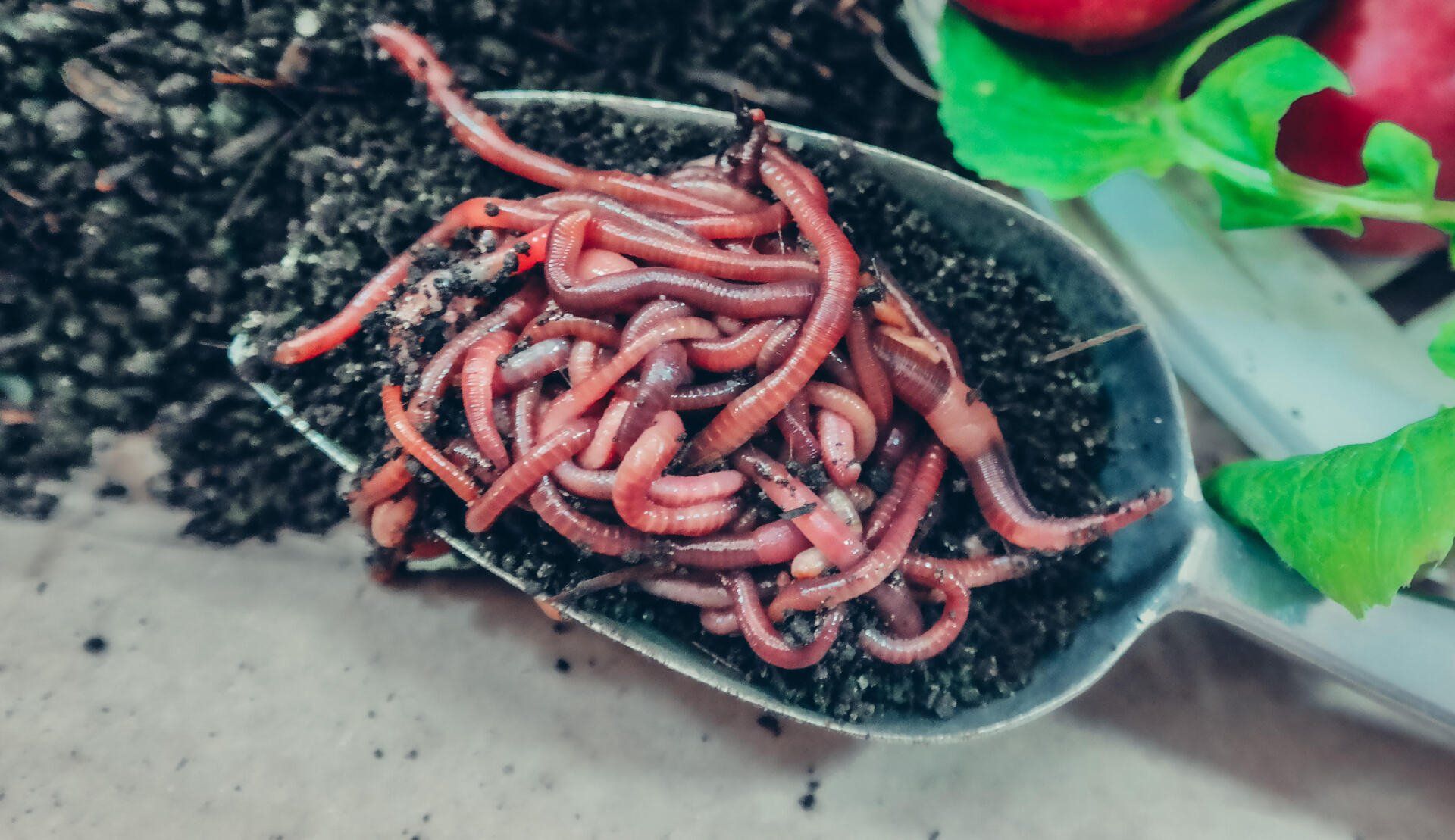
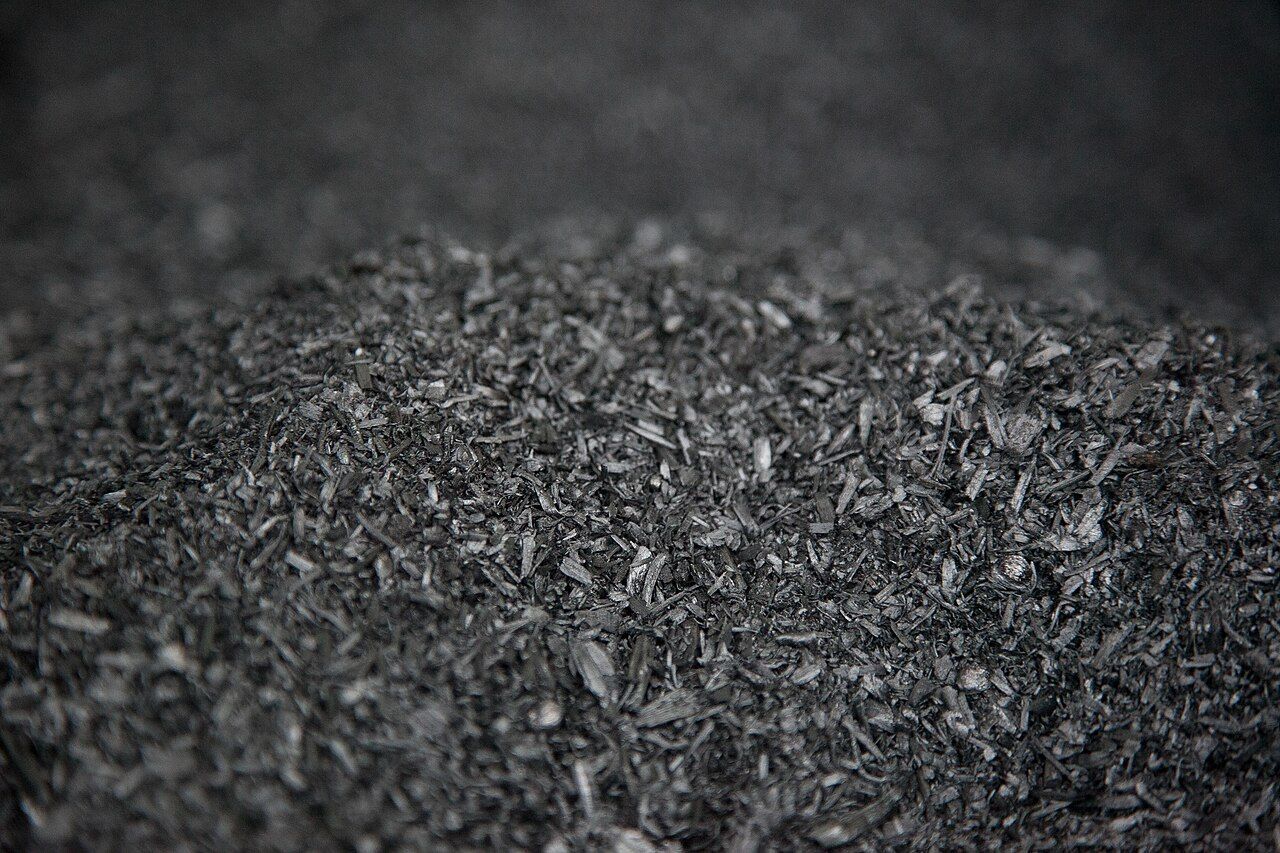
Charged biochar is raw biochar that has been pre-soaked in a nutrient- and microbe-rich liquid, usually compost tea or worm extract, before it ever touches your soil. Uncharged biochar acts like a dry sponge that pulls nutrients away from plants for months; charging it first flips that effect around.

Raw biochar's massive internal surface area creates a "nutrient vacuum" effect when first added to soil. It absorbs freely available nutrients and moisture from the surrounding soil before plants can access them, sometimes called nutrient immobilization or nutrient lock-up. Charging fills those pores in advance, turning biochar into a nutrient reservoir instead of a nutrient sink.
Sources: Heliyon (2021), Scientific Reports (2015), Washington State University Extension (FS147E)
Why It Matters
Adding raw, unsoaked biochar directly to soil can temporarily rob plants of nutrients, since the biochar's huge internal surface area absorbs whatever is nearby, including nutrients your plants need. Charging it beforehand means it arrives already loaded, ready to feed your soil from day one instead of competing with your plants.
How It Works
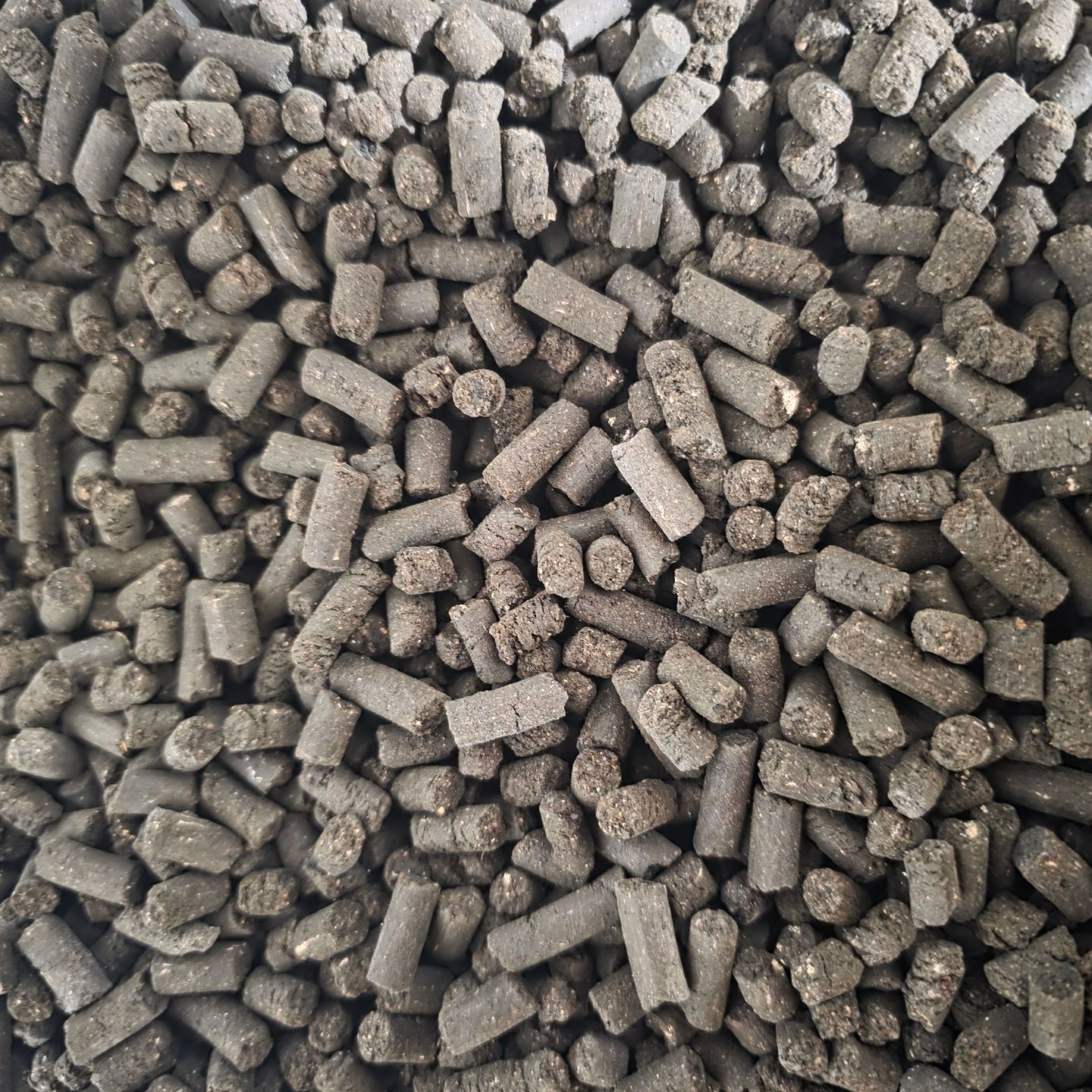
Dry biochar granules are submerged in compost tea or worm extract for anywhere from a few hours to several days. As the liquid soaks into the biochar's porous structure, it carries nutrients and beneficial microbes deep into the pores, effectively pre-loading the biochar before it goes into the ground.
Benefits
- Avoids the nutrient lock-up caused by raw biochar
- Delivers nutrients and biology immediately on application
- Extends the reach of compost tea or extract by binding it in place
- Builds long-term, stable soil structure
Sources: Scientific Reports (2015), Heliyon (2021), Washington State University Extension (FS147E)
How to Charge Biochar
The method matters less than making sure the pores are actually filled before biochar goes into the ground.
Soak in Compost Tea or Worm Extract
Submerge dry biochar granules, letting the liquid carry nutrients and microbes into the pores.
Co-Compost as an Alternative
Mixing biochar into an active compost pile at roughly 5–10% of total volume charges it more slowly but loads it with nutrients such as nitrate and phosphate.
Don't Overload with Synthetic Fertilizer
If using a liquid fertilizer to charge, dilute it to avoid salinity issues from overloading the biochar.
Give It Enough Time
Rushing the soak undermines the whole point. Let the biochar fully absorb the liquid before incorporating it into soil.
Sources: Nebraska Forest Service (University of Nebraska–Lincoln), Scientific Reports (2015), Heliyon (2021)
Charged Biochar vs. Raw Biochar vs. Inoculated Biochar
All three start from the same material — what's been added before soil application is what differs.
| Charged Biochar | Raw Biochar | Inoculated Biochar | |
|---|---|---|---|
| What's added | Nutrients and microbes via liquid soak | Nothing — straight from pyrolysis | Living microbial cultures specifically |
| Effect on soil nutrients | Neutral to positive — arrives pre-loaded | Temporarily absorbs nutrients away from plants | Depends on whether it's also charged with nutrients |
| Ready for immediate use? | Yes | Not recommended without charging first | Only if also charged; inoculation alone doesn't solve lock-up |
| Complexity | Moderate — soak or co-compost before use | Simple, but risks nutrient competition | More sensitive and often more expensive |
| Best for | Direct soil application around actively growing plants | Livestock bedding, deep mulch, or co-composting systems | Growers specifically targeting microbial colonization |
Sources: Heliyon (2021), Scientific Reports (2015)
Common Mistakes to Avoid
Most biochar problems trace back to skipping or rushing the charging step.
Sources: Scientific Reports (2015), Heliyon (2021), Washington State University Extension (FS147E)
Frequently Asked Questions
What is charged biochar? +
Why can't I just add raw biochar directly to soil? +
How is biochar charged? +
How long does biochar need to soak to be properly charged? +
What's the difference between charging and inoculating biochar? +
Can I charge biochar with something other than compost tea or worm extract? +
Is charged biochar better than uncharged biochar for every use? +
How is charged biochar different from Vermi Char? +
Understanding the biological function first, before connecting the product to the soil-building system, is what separates a good charged biochar from one that's just marketed as "premium."