Compost Tea
Definition
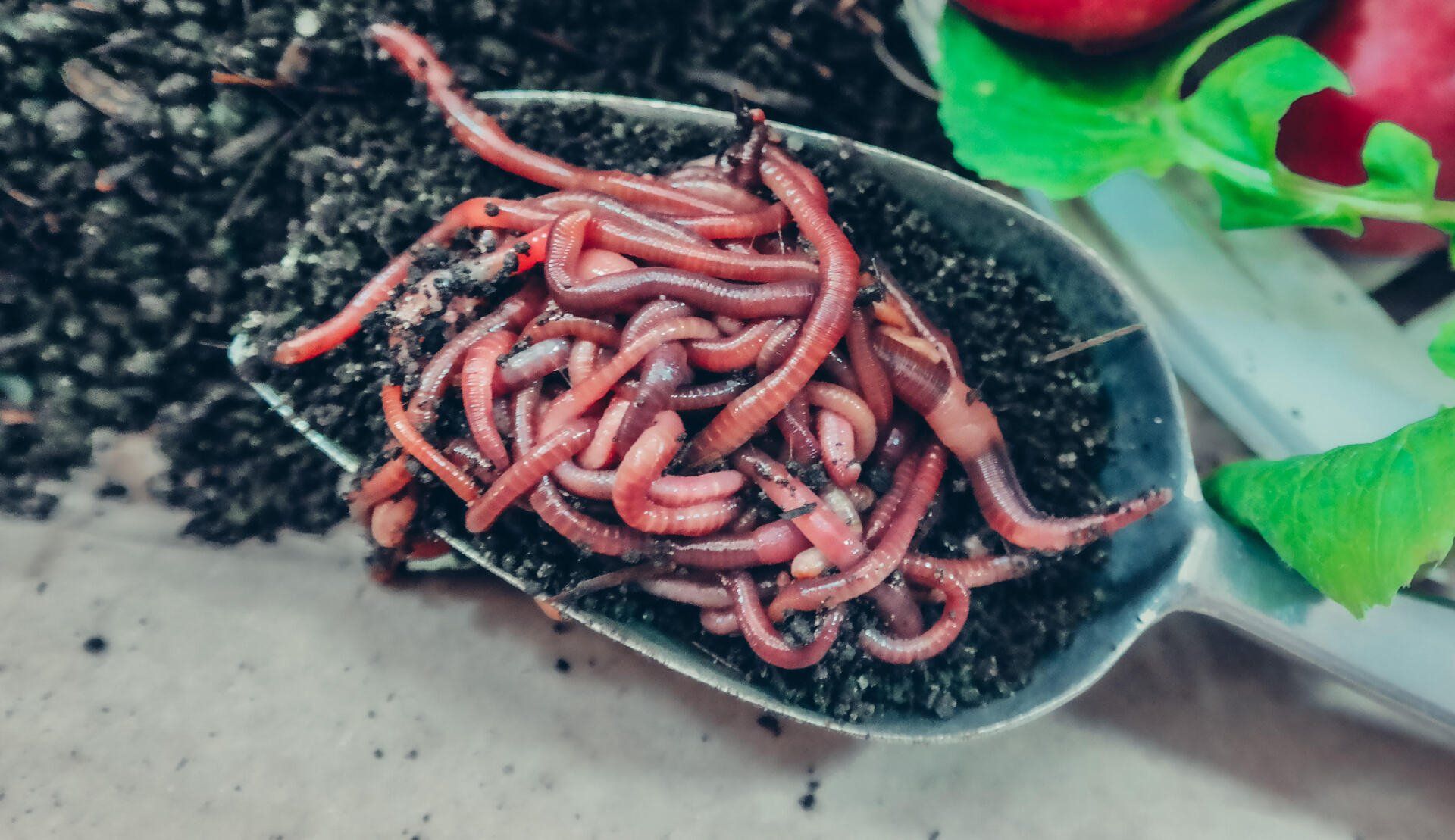
Compost tea is a liquid extract made by steeping worm castings or compost in aerated water. The process extracts and multiplies the beneficial microorganisms from the solid castings into a liquid that can be applied by foliar spray or soil drench.

Sources: University of Connecticut Plant & Soil Health Center, NC State University Plants for Human Health Institute, Plant Pathology Journal (2015)
Why It Matters
Compost tea allows the biological benefits of castings to be spread across a much larger area quickly and economically. A small amount of castings can produce hundreds of gallons of biologically active liquid.
How It Works
Castings are placed in a mesh bag and submerged in dechlorinated water. An air pump provides oxygen that fuels rapid microbial reproduction. After 24–36 hours of brewing, the liquid holds a larger microbial population than the source compost, mostly bacteria.
Benefits
- Extends the reach of a limited supply of castings
- Fast foliar application for stressed plants
- Boosts microbial diversity in soil
- Can be applied through irrigation systems
Sources: USDA Agricultural Research Service, Compost Science & Utilization (2011), via University of Hawaii CTAHR, Plant Pathology Journal (2015), Washington State University (Chalker-Scott)
How to Brew Compost Tea
Timing and aeration are the two variables that matter most.
Use Dechlorinated Water
Chlorine kills the beneficial microbes you're trying to grow. Let tap water sit out uncovered for 24 hours, or use rainwater instead.
Aerate Continuously
An air pump running the whole brew keeps oxygen levels high enough for aerobic microbes to multiply. Interrupted aeration risks the mix turning anaerobic.
Brew for 24–36 Hours
This window balances population growth against the risk of the tea peaking and starting to decline.
Use It Promptly
Apply within a few hours of brewing. Once aeration stops, the dense population starts consuming available oxygen and can crash quickly.
Sources: NC State University Plants for Human Health Institute, UC Cooperative Extension Master Gardeners, NC State University (Rhonda Sherman), via WSU Extension
Compost Tea vs. Compost Extract vs. Worm Tea
All three start from the same source material — brewing time and method are what set them apart.
| Compost Tea | Compost Extract | Worm Tea | |
|---|---|---|---|
| Process | Actively aerated and fed for 24–36 hours | Steeped without aeration, ready in a few hours | Informal umbrella term — can be either method |
| Microbial population | Multiplied well beyond the source material | Roughly matches the source material | Depends on which method was actually used |
| Shelf life | Just a few hours once aeration stops | Up to about two weeks | Depends on the method used to make it |
| Equipment needed | Air pump, mesh bag, brewing container | A container and water, no aeration required | Varies by method |
| Best for | Maximizing microbial density for foliar application | Simple, low-equipment soil drench | Whatever the specific batch was made to do |
Sources: University of Connecticut Plant & Soil Health Center, NC State University Plants for Human Health Institute, UC Cooperative Extension Master Gardeners, University of Arizona Cooperative Extension
Common Mistakes to Avoid
Compost tea rewards careful timing more than most liquid biology products.
Sources: UC Cooperative Extension Master Gardeners, NC State University Plants for Human Health Institute, University of Connecticut Plant & Soil Health Center
Frequently Asked Questions
What is compost tea? +
How long does compost tea take to brew? +
How many microorganisms does compost tea actually contain? +
How is compost tea different from compost extract? +
How soon do I need to use compost tea after brewing? +
What can I add to compost tea while brewing? +
Can compost tea replace regular fertilizer? +
The quality of compost tea depends entirely on the quality of the castings used — brewing multiplies what's already there, it doesn't create biology from nothing.