Crop Rotation
Definition
Crop rotation is the practice of deliberately changing which crop grows in a field or bed from one season to the next, rather than planting the same thing in the same place year after year.

Why It Matters
Growing the same crop in the same spot year after year lets pests, diseases, and nutrient imbalances specific to that crop build up over time. Crop rotation interrupts those cycles by changing what's growing, and by extension what's drawing on soil and what's building up in it, from season to season.
How It Works
Crops are grouped, often by plant family, since related crops share pest and disease vulnerabilities and similar nutrient needs. Groups are then rotated through different fields or beds on a multi-year cycle, so no single spot hosts the same crop family in consecutive seasons.
Benefits
- Breaks pest and disease buildup cycles
- Balances nutrient use and replenishment across seasons
- Can improve soil structure through varied root types
- Reduces reliance on any single input to manage problems
Planning a Crop Rotation
Grouping by plant family and planning a multi-year sequence makes rotation practical to manage.
Group Crops by Family
Nightshades, legumes, brassicas, and roots each share pest and nutrient patterns, making family-level grouping a practical rotation unit.
Plan a Multi-Year Cycle
A three to four year cycle gives enough separation for most pest and disease cycles tied to a specific crop family to break down.
Follow Legumes With Heavy Feeders
Planting a nitrogen-hungry crop after a nitrogen-fixing legume takes advantage of the nitrogen left behind in the soil.
Combine With Cover Crops
Cover crops can fill the gaps within a rotation plan, protecting soil during the periods between harvestable crops.
Crop Rotation vs. Cover Crop
Both manage what grows in a field over time, but for different reasons and on different timelines.
| Crop Rotation | Cover Crop | |
|---|---|---|
| Purpose | Change harvestable crops season to season | Protect and improve soil |
| Harvested? | Yes, each crop in the rotation is harvested | No, grown specifically for soil benefit |
| Timing | Structures the sequence of main crops themselves | Fills gaps between main crops |
| Can work together? | Yes, cover crops are often planted within a broader crop rotation plan | |
Common Mistakes to Avoid
Crop rotation mistakes usually stem from thinking about crops individually instead of by family.
Frequently Asked Questions
What is crop rotation? +
Why does crop rotation help soil health? +
How does crop rotation reduce pest and disease pressure? +
What's a simple crop rotation plan for a home garden? +
Can crop rotation improve soil nitrogen levels? +
How does crop rotation relate to a cover crop? +
How long should a crop rotation cycle be? +
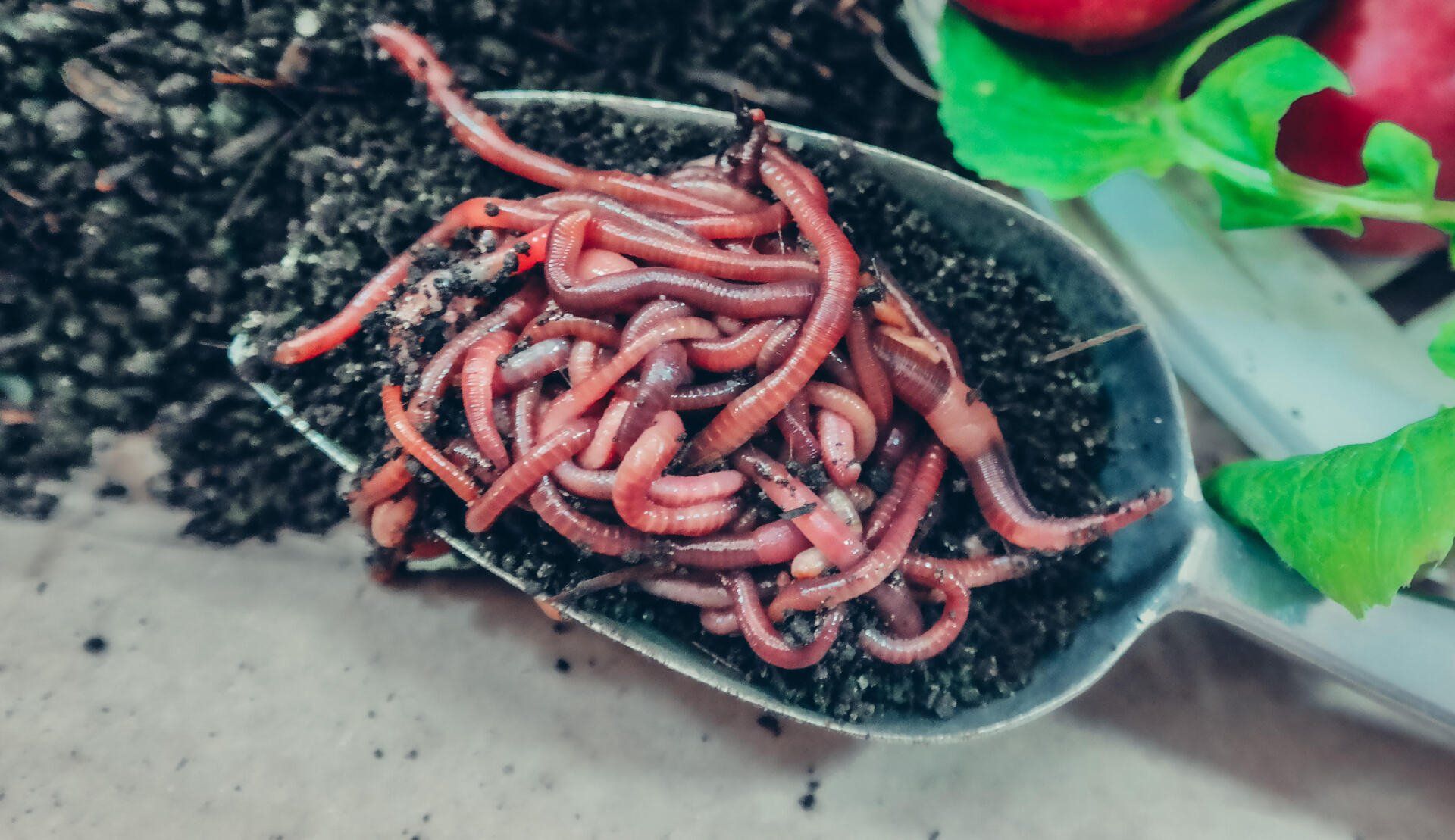
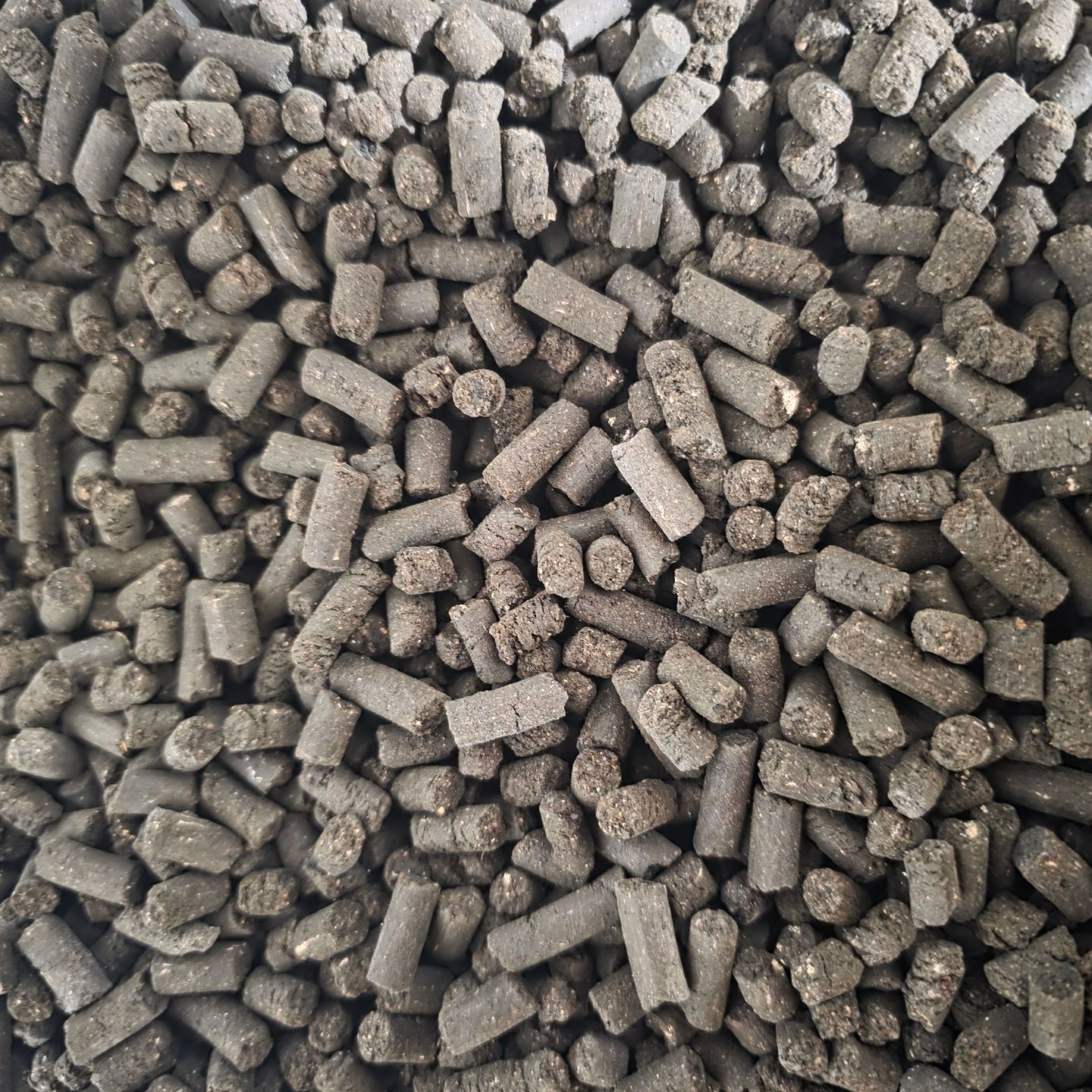
Applying worm castings as beds rotate to a new crop family gives each new planting a fresh boost of biology alongside the rotation's natural benefits.