Extractor
Definition
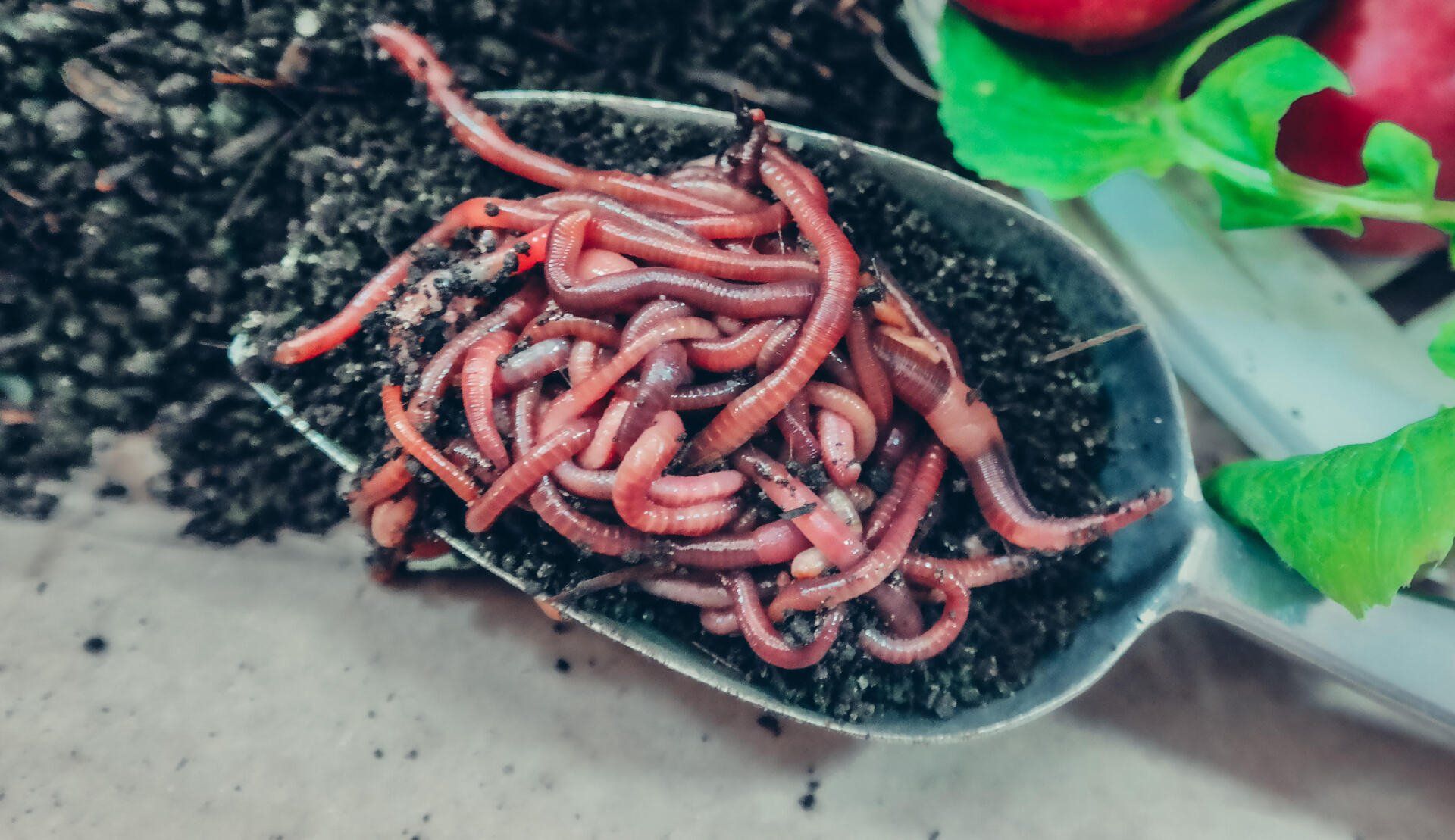
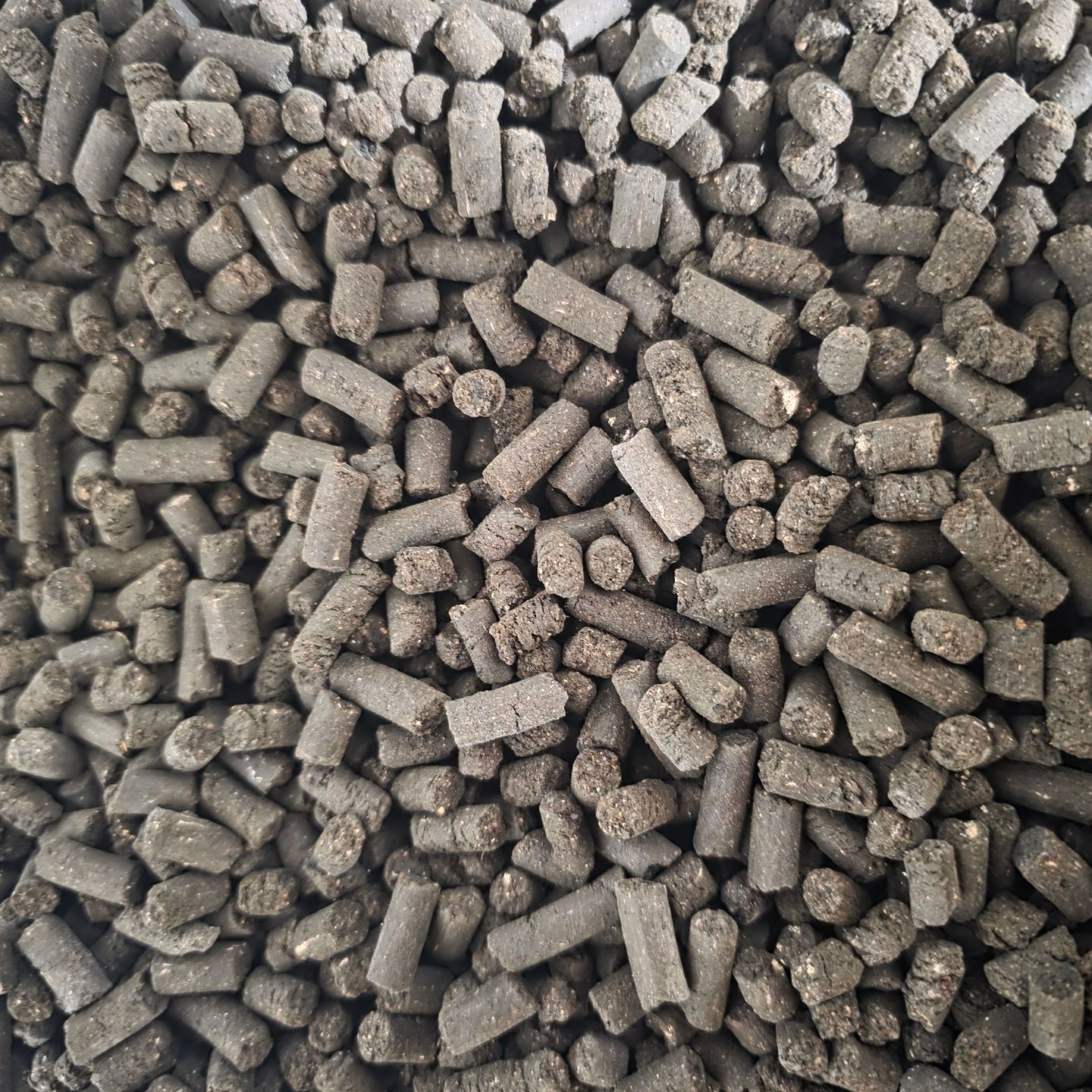
An extractor is equipment purpose-built to extract liquid biological product from worm castings or compost-like material at commercial scale, moving water through solid biological material in a controlled, repeatable way rather than relying on passive soaking.

Why It Matters
Producing extract at scale by hand, bucket by bucket, doesn't hold up when volume needs grow. An extractor makes it possible to produce consistent, repeatable batches at the volume a commercial operation actually requires.
How It Works
Water is moved through or mixed with castings or compost-like material in a controlled manner, pulling soluble nutrients and microorganisms into solution. The solids are separated out, leaving a liquid extract ready for application, with the process designed to be repeated consistently batch after batch.
Benefits
- Consistent extract quality batch to batch
- Scales to commercial production volumes
- Faster than passive soaking methods
- More efficient use of source material
Getting Good Results From an Extractor
Source material and process control determine the quality of what comes out.
Start With Quality Source Material
An extractor can't improve on poor source material. High-quality castings or compost still matter more than any equipment feature.
Control Water-to-Material Ratio
The ratio between water and source material affects how concentrated the resulting extract is, worth dialing in for consistent results.
Clean Equipment Between Batches
Residue buildup can harbor unwanted microbial growth or contaminate future batches, especially relevant for extract intended for food crops.
Use Extract Promptly
Extractor output is most biologically active shortly after production, so plan application timing around when batches are made.
Extractor vs. Compost Tea Brewer
Related equipment with a key difference in what happens to the liquid after extraction.
| Extractor | Compost Tea Brewer | |
|---|---|---|
| Primary function | Pull existing organisms into water | Actively multiply organisms after extraction |
| Aeration required? | No | Yes, typically continuous |
| Additional food source? | No | Often, to feed multiplying microbes |
| Process time | Relatively quick | Longer, hours to a day or more of brewing |
| Output | Extract, reflecting source material | Tea, with boosted microbial population |
Common Mistakes to Avoid
Extractor output problems usually trace back to source material or process, not the equipment itself.
Frequently Asked Questions
What is an extractor? +
How does an extractor differ from simply soaking castings in a bucket? +
Is an extractor the same as a compost tea brewer? +
What determines extractor output quality? +
How is extractor output typically applied? +
Do small-scale growers need dedicated extractor equipment? +
How often does extractor equipment need cleaning? +
Extractor output quality starts with the source material, not the equipment. Quality castings in means quality extract out.