Floating Worm Bed
Definition
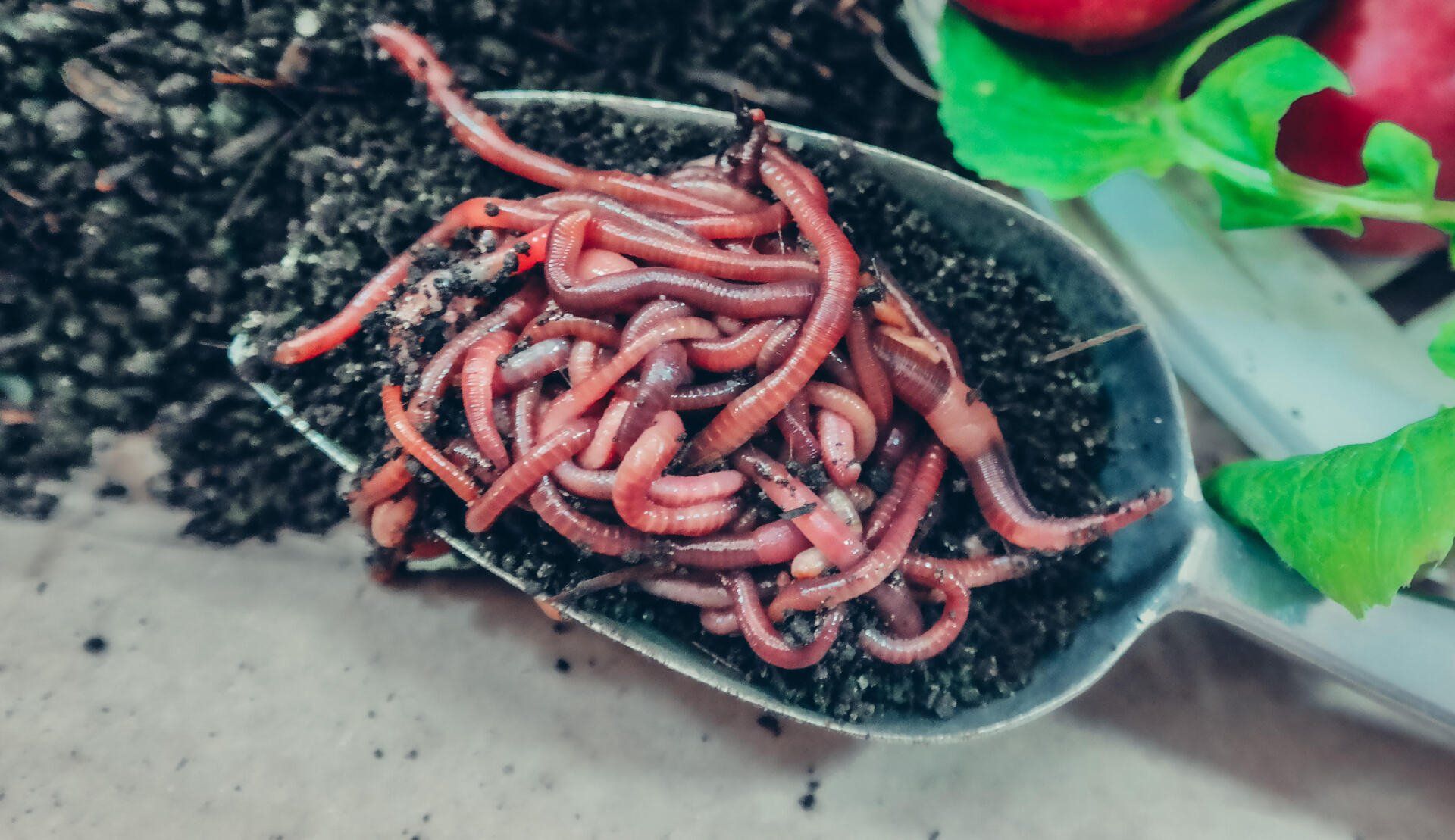
A floating worm bed is a worm bed positioned above an aerated water reservoir, an experimental system that lets liquid continuously interact with worm biology and root exudates below it, effectively combining ongoing worm activity with liquid extraction into a single continuous process.

This is an experimental concept, not an established or widely documented practice. It's included here for transparency about the kind of systems-level thinking behind Fed 'n Happy, not as a recommended build for growers looking for established, repeatable results. Standard worm extract and compost tea remain the well-documented, reliable methods for liquid biology production.
Why It Matters
Most liquid extraction happens as a distinct batch process, castings soaked or brewed separately from the worms that produced them. A floating worm bed instead keeps worms actively working right above the liquid the whole time, an ongoing rather than batch approach to producing liquid biology.
How It Works
Worms are kept in a bed positioned above an aerated water reservoir, where their castings, exudates, and any material that filters down continuously interact with the water below, while aeration keeps the reservoir oxygenated enough to support beneficial aerobic biology rather than turning anaerobic.
What This Concept Explores
- Continuous rather than batch liquid production
- Integrating root exudates into the system
- Supporting diverse aerobic biology in the reservoir
- An experimental step toward integrated living systems
What's Established vs. What's Still Being Explored
It's worth being clear about which parts of this concept rest on established science and which are still experimental.
Established: Aeration Prevents Anaerobic Water
Keeping standing water oxygenated to support aerobic biology rather than anaerobic conditions is well-established practice, used in everything from actively aerated compost tea to aquaponics.
Established: Worm Biology Enriches Water It Contacts
Castings and worm activity interacting with water to produce a biologically active liquid is the same underlying principle behind standard worm extract.
Experimental: Continuous vs. Batch Performance
Whether a continuous floating-bed system meaningfully outperforms standard batch extraction hasn't been independently documented or tested at scale.
Experimental: Long-Term System Stability
How a floating bed performs over extended periods, and what maintenance it actually requires, is part of what's still being explored rather than settled.
Floating Worm Bed vs. Standard Batch Extraction
One is an established, documented method; the other is an experimental concept still being explored.
| Floating Worm Bed | Standard Batch Extraction (Worm Extract) | |
|---|---|---|
| Status | Experimental, in active exploration | Established, widely used and documented |
| Process type | Continuous, ongoing interaction with worm biology | Distinct batch, made separately after castings are produced |
| Documented results | Not independently tested or benchmarked at scale | Well-documented dilution ratios, shelf life, and application guidance |
| Equipment complexity | Requires aeration and a reservoir setup | A container and water — minimal equipment |
| Best for | Those interested in the systems-thinking behind Fed 'n Happy's R&D | Growers who want a reliable, repeatable liquid biology method today |
For established, documented liquid biology methods, see Worm Extract and Compost Extract.
Open Questions Still Being Explored
Because this is R&D rather than a finished method, here's what remains unresolved.
Frequently Asked Questions
What is a floating worm bed? +
Is a floating worm bed a proven, established method? +
How is this different from standard batch extraction? +
Why does the water reservoir need aeration? +
Should I try to build a floating worm bed myself? +
What's the difference between a floating worm bed and a worm pasture? +
This is an experimental concept worth exploring — a work in progress, not a finished product recommendation.