Hydration Packs
Definition
Hydration Packs are additives or product components formulated to support plant water-use efficiency and cell hydration, working alongside soil biology and structure rather than replacing them, aimed at helping plants make better use of the water already available to them.

Humic acid, a well-studied example in this category, has been shown in peer-reviewed research to improve water-use efficiency and reduce oxidative cell damage under drought stress. Broader biostimulant research also points to seaweed extracts and beneficial microbes as supporting drought and stress tolerance through similar water-use mechanisms.
Sources: Scientific Reports (Nature), Frontiers in Plant Science
Why It Matters
Even soil with adequate moisture doesn't guarantee a plant is hydrating well, since factors like root health, cell membrane function, and stress levels all affect how efficiently a plant actually takes up and uses that available water, which is the specific gap hydration-focused products are meant to address.
How It Works
These products typically work by supporting the biological and physiological processes involved in water movement, from soil moisture retention around the root zone to the cellular mechanisms that let plant tissue actually absorb and hold onto that water once it's within reach.
Benefits
- Supports drought and heat stress tolerance
- Improves water-use efficiency
- Supports more consistent growth
- Builds resilience to environmental stress
Sources: NCBI/PMC, Horticulturae (2025)
How to Use Hydration Packs
Because these support water use rather than adding water, timing around actual stress conditions matters more than a fixed schedule.
Ahead of Known Stress Periods
Apply before anticipated heat, drought, or transplant stress, since supporting water-use efficiency works best proactively rather than after damage has occurred.
Alongside Regular Watering
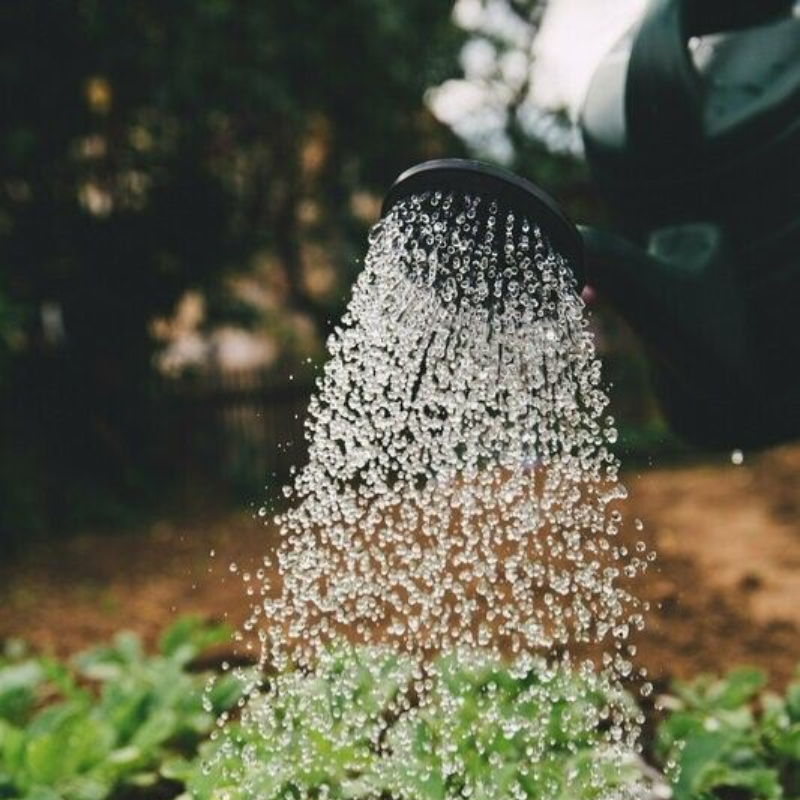
Use as a supplement to, not a substitute for, an adequate watering or irrigation schedule — these products help plants use available water better, not create more of it.
With Soil Biology & Structure
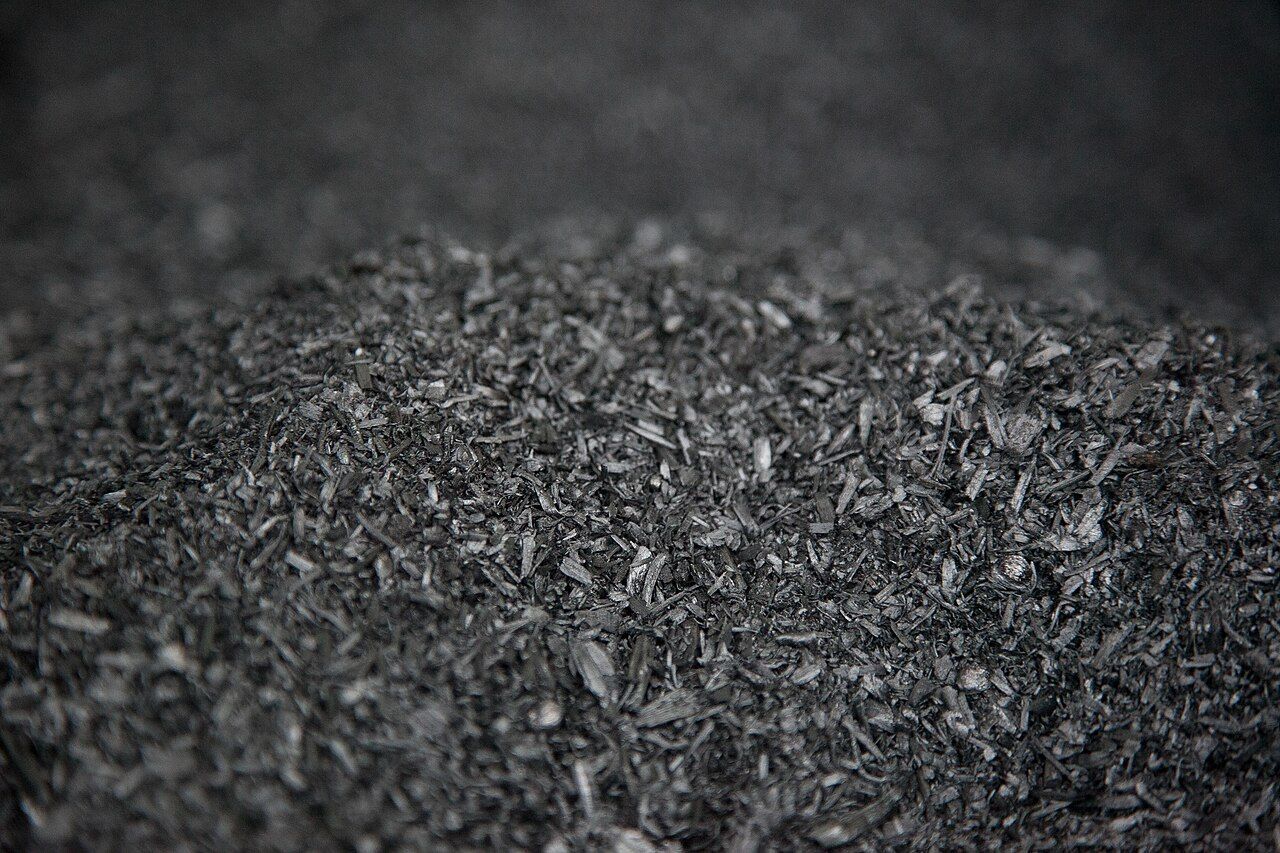
Pair with practices that build soil moisture retention, organic matter, biochar, mulch, so the plant has both accessible water and the efficiency to use it well.
During Transplanting
Transplant shock is a common stress window where supporting cell hydration and water uptake can help plants establish faster.
Hydration Packs vs. Soil Water Retention vs. Regular Irrigation
All three affect how much water a plant gets and how well it's used — but they act at different points in the process.
| Hydration Packs | Soil Water Retention (organic matter, biochar, mulch) | Regular Irrigation | |
|---|---|---|---|
| What it affects | How efficiently the plant uses water once it reaches it | How much water stays available in the root zone | How much water reaches the soil in the first place |
| Level of action | Cellular and physiological, inside the plant | Physical, in the soil structure | External water supply |
| Addresses water shortage directly? | No — improves use of existing water | Partially — holds water longer, doesn't add it | Yes — directly adds water |
| Most useful when | During heat, drought, or transplant stress | Ongoing, especially in sandy or fast-draining soils | Whenever soil moisture drops below plant needs |
| Best for | Complementing existing water and soil practices during stress | Building a soil's baseline capacity to hold moisture | Meeting a plant's basic water requirement |
Sources: Scientific Reports (Nature), Horticulturae (2025), Washington State University Extension (FS147E)
Common Mistakes to Avoid
Hydration-focused products work best as a supplement to good practices, not a replacement for them.
Sources: Frontiers in Plant Science, Scientific Reports (Nature)
Frequently Asked Questions
What are Hydration Packs? +
Isn't having enough soil moisture the same as good plant hydration? +
What kinds of ingredients typically support plant hydration? +
Can hydration products replace regular watering? +
When are hydration-support products most useful? +
Do hydration products work on their own, or alongside other soil inputs? +
How is this different from just improving soil water retention? +
Can I use Hydration Packs alongside Basecamp or Starter Mix? +
Hydration products should be framed as part of a soil-and-plant system, not a standalone cure — they support water use, they don't manufacture water the plant doesn't have.