Photosynthesis
Definition
Photosynthesis is the process by which plants convert light energy, water, and carbon dioxide into glucose (sugar) and oxygen, the foundational energy-capturing process that powers nearly all life on Earth. It takes place primarily in leaves, using the green pigment chlorophyll to capture light.

Why It Matters
Photosynthesis is the entry point for essentially all the energy that plants, and by extension the animals and microbes that depend on them, use to live and grow. It's also the source of nearly all the sugars a plant produces, including the meaningful share it releases back into the soil as root exudates.
How It Works
The light-dependent reactions capture light energy in chloroplasts and convert it into chemical energy carriers, releasing oxygen as a byproduct. The light-independent reactions, known as the Calvin cycle, then use that chemical energy to build glucose from carbon dioxide, a process that doesn't directly require light itself.
Benefits of Strong Photosynthetic Function
- Faster, more vigorous plant growth
- Greater sugar production for root exudates
- Improved overall plant energy reserves
- Better resilience to stress
Supporting Strong Photosynthesis From the Soil Up
Photosynthesis happens in leaves, but its raw materials trace back to root health and soil nutrients.
Supply Magnesium and Nitrogen
Magnesium is a core building block of chlorophyll itself, and nitrogen supports the enzymes involved in the process. Worm castings supply both in gentle, balanced form.
Maintain Consistent Water Availability
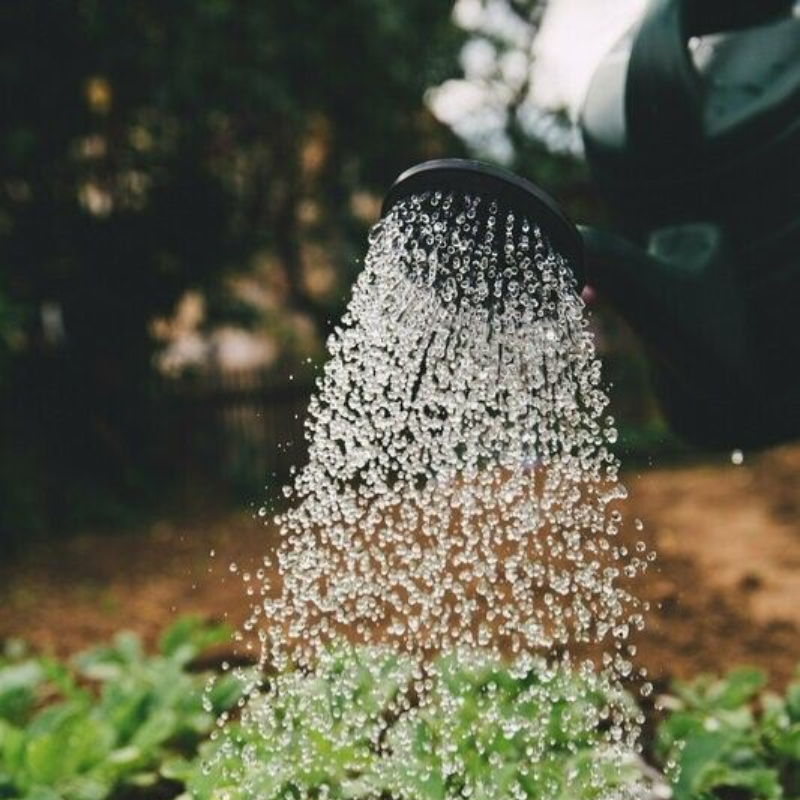
Water is a direct input to the photosynthesis reaction. Water stress measurably reduces a plant's photosynthetic rate.
Address Iron and Manganese Needs
Both micronutrients support photosynthetic function. Correcting soil pH often resolves apparent deficiencies in these elements.
Support Healthy Root Systems
Roots draw the water and nutrients photosynthesis depends on. Healthy soil structure and biology support stronger root function.
Light-Dependent vs. Light-Independent Reactions
Photosynthesis actually happens in two connected stages, each with a distinct role.
| Light-Dependent Reactions | Light-Independent Reactions (Calvin Cycle) | |
|---|---|---|
| Requires light directly? | Yes | No, but depends on products from the light reactions |
| Location | Thylakoid membranes | Stroma of the chloroplast |
| Key inputs | Light energy, water | Carbon dioxide, chemical energy carriers |
| Key outputs | Chemical energy carriers, oxygen | Glucose |
| Role | Captures and converts light energy | Builds sugar using that captured energy |
Common Mistakes to Avoid
Photosynthesis is easy to think of as purely an above-ground process, disconnected from soil.
Frequently Asked Questions
What is photosynthesis? +
What is the basic chemical equation for photosynthesis? +
What role does chlorophyll play? +
What are the light-dependent and light-independent reactions? +
Why does photosynthesis matter for soil, not just leaves? +
What nutrients does photosynthesis depend on? +
How does soil health affect photosynthesis? +
Worm castings supply the magnesium and nitrogen chlorophyll depends on, directly supporting the photosynthetic engine that drives plant growth.