Porosity
Definition
Porosity is the amount of open space between soil particles, the gaps that can hold air or water. Not all pores are the same size, and that size difference matters: larger pores drain quickly and hold air, while smaller pores hold water against gravity.

Why It Matters
Porosity is the physical foundation underneath aeration, drainage, and water holding capacity, three things that sound separate but are all really different expressions of the same pore network. Soil with poor porosity can't do any of them well, no matter how much you water or fertilize.
How It Works
Aggregates, root channels, earthworm tunnels, and soil texture all create pore spaces of different sizes. A healthy mix includes both large macropores, which drain quickly and let air in, and smaller micropores, which hold water against gravity for roots to draw on later.
Benefits
- Supports better root aeration
- Improves drainage of excess water
- Retains water where roots can reach it
- Builds drought resilience when large and small pores are in balance
How to Improve Porosity
Building a healthy mix of pore sizes takes biological activity, not just mechanical loosening.
Introduce Live Worms
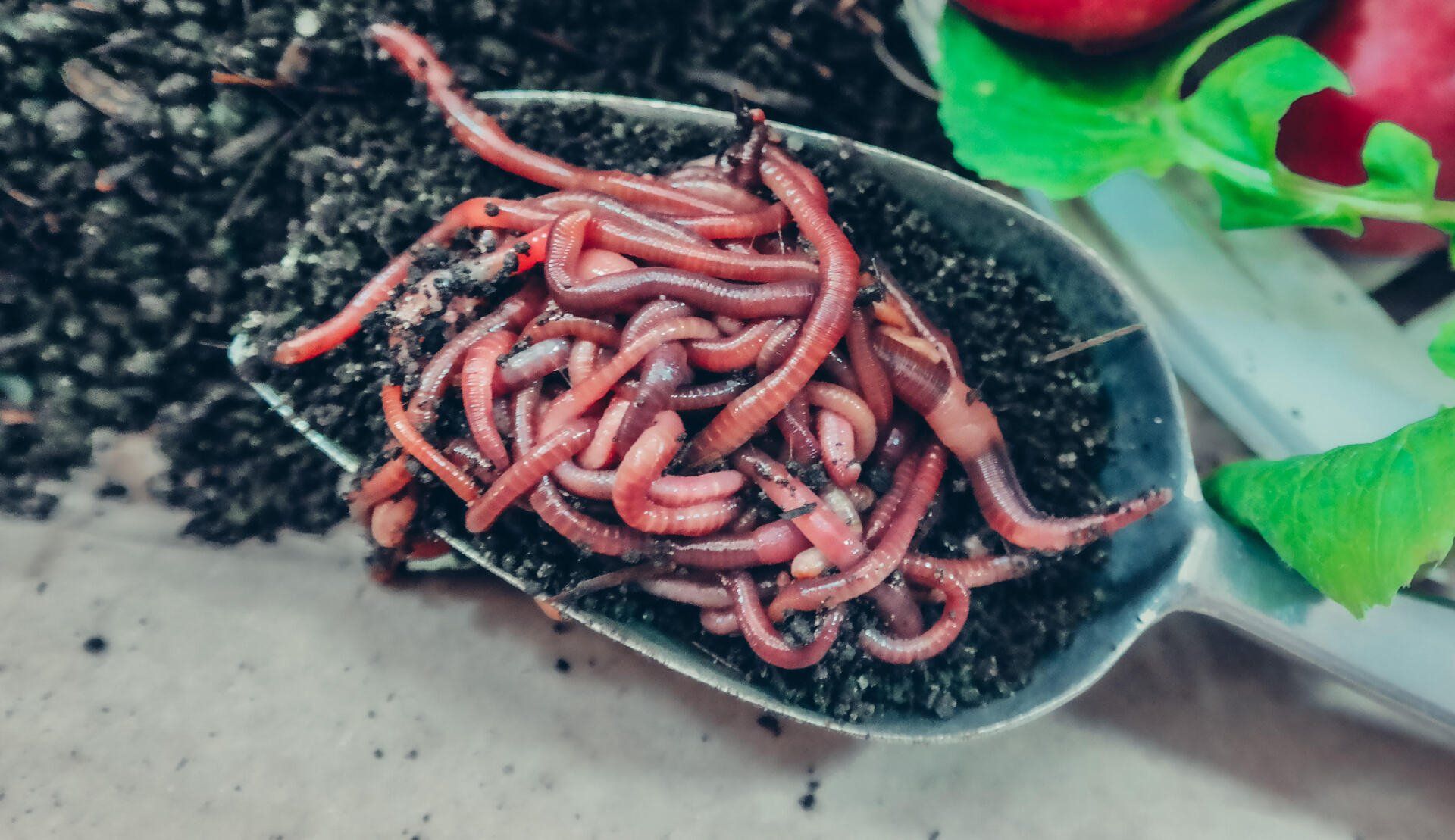
Worm tunnels create durable macropores, continuously rebuilt and maintained as worms remain active in the soil.
Build Aggregates With Organic Matter
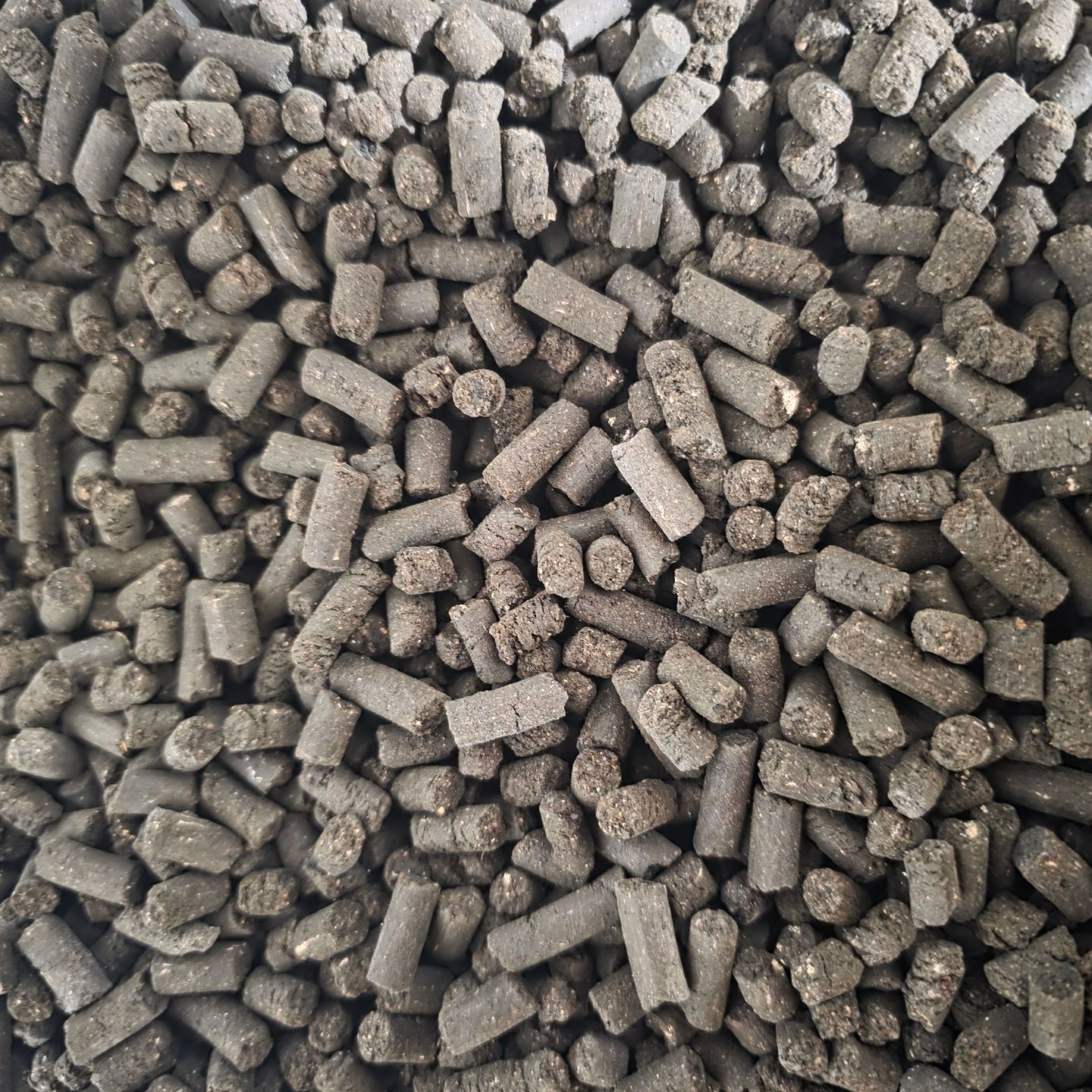
Stable aggregates naturally create a mix of pore sizes. Worm castings and compost feed the biology that builds and maintains them.
Avoid Compaction
Heavy equipment and foot traffic collapse pore spaces of all sizes. Working soil at the right moisture level protects existing porosity.
Keep Living Roots in the Ground
Root channels create lasting macropore pathways that persist even after roots die back, especially in perennial systems.
Macropores vs. Micropores
Both are essential, but they serve very different functions in soil.
| Macropores | Micropores | |
|---|---|---|
| Relative size | Larger pore spaces | Smaller pore spaces |
| Primary role | Drainage and air exchange | Water retention against gravity |
| Water behavior | Drains quickly after rain or irrigation | Holds water for roots to draw on later |
| Created mainly by | Worm tunnels, root channels, large aggregates | Fine soil texture, small aggregate spaces |
| Too much of just this type | Soil drains too fast, poor drought resilience | Soil drains too slowly, risk of waterlogging |
Common Mistakes to Avoid
Porosity is easy to misjudge, since "more pore space" isn't automatically better.
Sources: Purdue Extension
Frequently Asked Questions
What is soil porosity? +
What's the difference between macropores and micropores? +
How is porosity related to aeration and water holding capacity? +
What creates pore spaces in soil? +
Can I have too much porosity? +
Does tillage improve porosity? +
How can I improve soil porosity naturally? +
Biological activity creates pore networks that mechanical disturbance alone cannot maintain.