Rhizosphere
Definition
The rhizosphere is the narrow zone of soil directly influenced by root secretions and associated soil microorganisms. It is the most biologically active area of soil, a dynamic chemical and biological interface between plant and soil.

Sources: ScienceDirect Topics, Pro-Soil
Why It Matters
What happens in the rhizosphere determines how effectively plants absorb nutrients, resist disease, and respond to stress. Plants actively shape their rhizosphere by releasing specific compounds to attract beneficial microbes and deter pathogens.
How It Works
Plant roots continuously release exudates, sugars, amino acids, and organic acids that feed specific microbial communities. These microbes in turn solubilize minerals, fix nitrogen, and produce plant growth hormones, creating a reciprocal beneficial relationship.
Benefits
- Enhanced nutrient solubilization
- Disease suppression through microbial competition
- Production of plant growth hormones
- Improved stress tolerance
Sources: Nature Scitable
How to Support a Healthy Rhizosphere
The rhizosphere is shaped largely by the plant's own exudates, so supporting overall plant and soil health matters most.
Build Overall Soil Biology
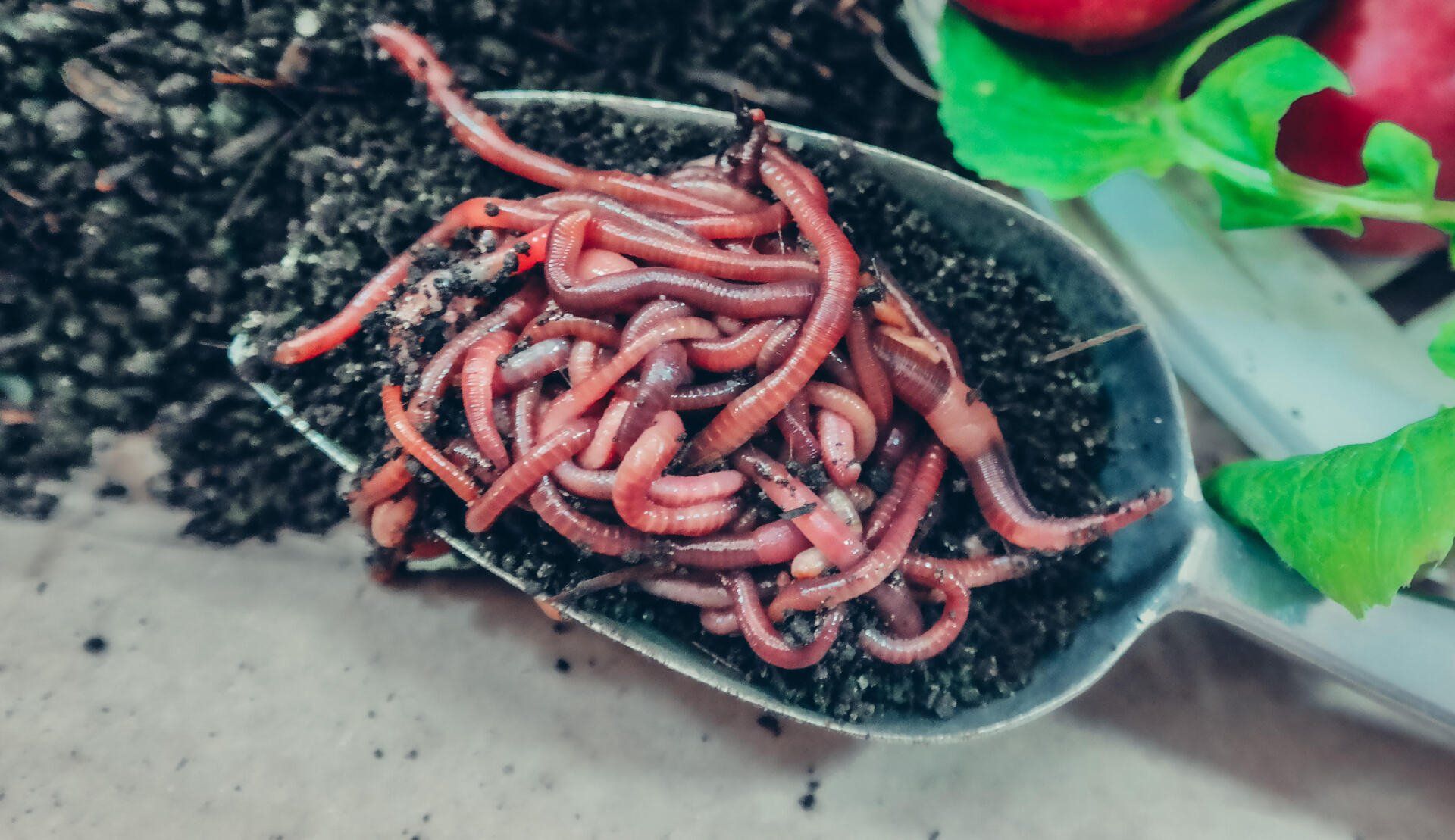
Organic matter, worm castings, and reduced disturbance create conditions where a healthy rhizosphere microbial community can establish and thrive.
Keep Plants Well-Hydrated and Unstressed
Healthy, unstressed plants release exudates more consistently, which in turn supports a more active and diverse rhizosphere community.
Minimize Root Disturbance
Tillage and compaction disrupt the delicate root-soil interface where rhizosphere activity actually happens.
Diversify Plantings
Different plant species release different exudate profiles, supporting a broader range of rhizosphere microbial partnerships across a growing space.
Sources: ScienceDirect Topics, Journal of Experimental Botany (Oxford)
Rhizosphere vs. Bulk Soil vs. Endosphere
All three are zones related to the root system, but they differ in where they sit and what lives there.
| Rhizosphere | Bulk Soil | Endosphere | |
|---|---|---|---|
| Location | Narrow zone immediately surrounding roots | Soil away from root influence | Inside plant tissue itself |
| Microbial density | Very high, much denser than bulk soil | Lower, baseline soil microbial population | Specific microbes living intracellularly |
| What shapes it | Root exudates and secretions | General soil conditions, not root-specific | Plant tissue chemistry and internal environment |
| Chemical activity | Intense, root-driven chemical exchange | Relatively stable, unaffected by roots | Internal plant biochemistry |
| Best studied for | Nutrient exchange and disease suppression | Baseline soil chemistry and structure | Endophytic microbe relationships |
Sources: Vermont Agency of Agriculture, Food & Markets, Vadose Zone Journal (Wiley)
Common Mistakes to Avoid
The rhizosphere is easy to overlook since it's invisible and defies a precise boundary.
Sources: ScienceDirect Topics, European Journal of Soil Science (Wiley)
Frequently Asked Questions
What is the rhizosphere? +
How wide is the rhizosphere? +
Who coined the term rhizosphere? +
What happens in the rhizosphere? +
Why does the rhizosphere matter for plant health? +
How is the rhizosphere different from bulk soil? +
Can I improve the rhizosphere around my plants? +
Worm castings are rich in the humic acids and amino acids that stimulate rhizosphere microbial activity, amplifying the plant's own biological toolkit.