Soil pH
Definition
Soil pH measures the acidity or alkalinity of soil on a scale from 0 to 14, where 7.0 is neutral, values below 7.0 are acidic, and values above 7.0 are alkaline. Most plants grow best between 6.0 and 7.0, where the widest range of nutrients is chemically available.

The general pattern, that roughly neutral pH maximizes nutrient availability, remains widely supported. But the specific chart most commonly cited traces back to 1946, and more recent soil science research has found the actual relationship varies by soil, nutrient, and crop in ways the classic chart oversimplifies. Treat 6.0-7.0 as a solid general target, not a precise formula.
Sources: Agriculture Victoria (Victorian Resources Online), SUNY ESF
Why It Matters
pH directly controls nutrient availability. Even if nutrients are present in abundance, the wrong pH can lock them in chemical forms that roots cannot absorb.
How It Works
Hydrogen ion concentration in the soil solution determines pH. More acidic conditions (below about 6.0) tend to lock up phosphorus, calcium, and magnesium. More alkaline conditions (above about 7.5) tend to limit iron, manganese, and zinc availability.
Benefits of Optimizing pH
- Unlocks existing soil nutrients
- Reduces fertilizer waste
- Supports beneficial microbial populations
How to Manage Soil pH
Correcting pH is often the highest-leverage fix for stubborn nutrient problems.
Test Before Adjusting
A simple soil test tells you your actual starting pH, avoiding guesswork about whether nutrient issues are really a pH problem.
Use Lime to Raise pH
Agricultural lime is the standard way to reduce acidity and raise pH toward the 6.0-7.0 target range.
Use Sulfur or Acidifying Amendments to Lower pH
Elemental sulfur or acidifying organic matter can bring overly alkaline soil back toward neutral.
Add Organic Matter for Long-Term Buffering
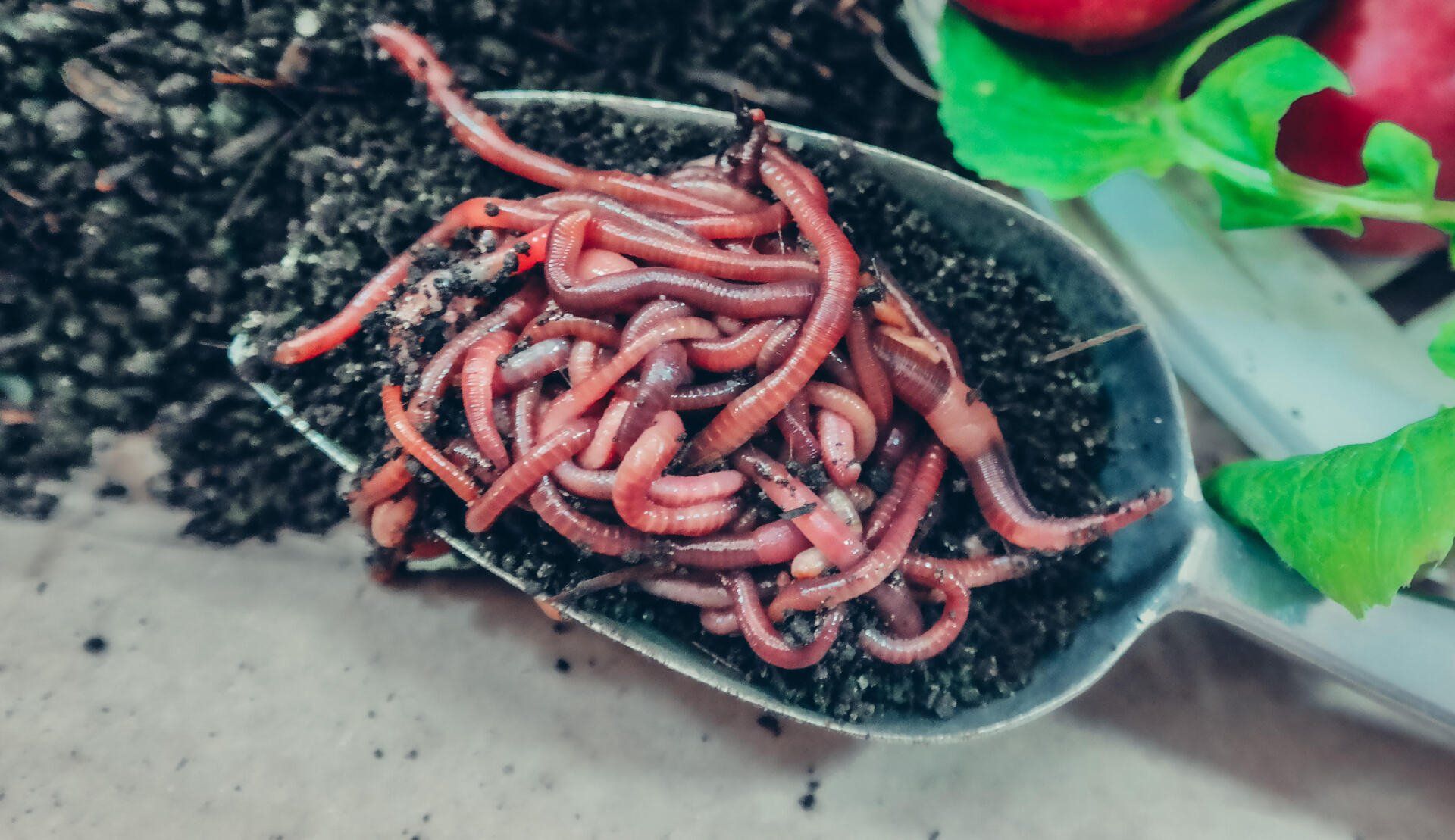
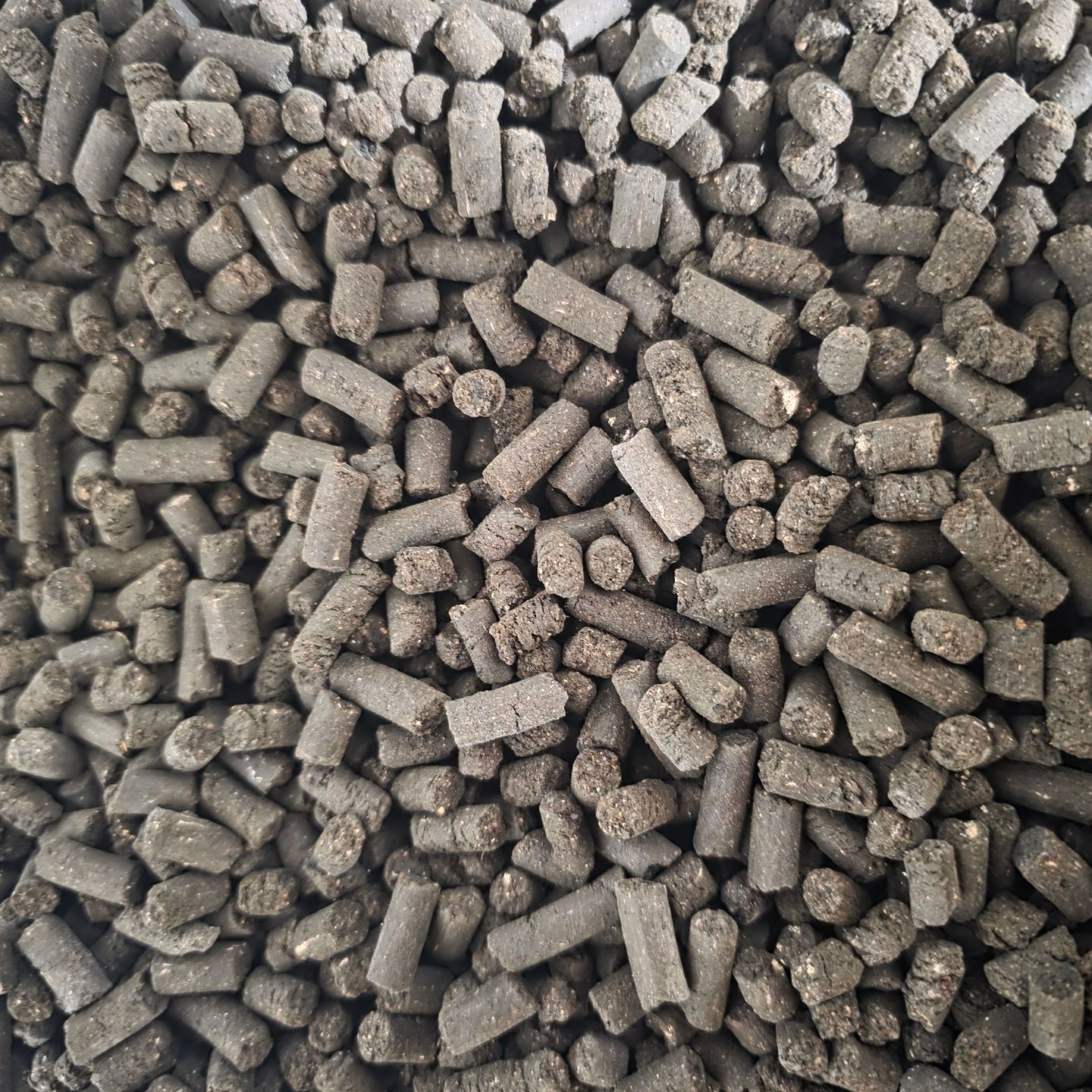
Worm castings and compost help buffer pH swings over time, providing more stable conditions than chemical adjustment alone.
Sources: SUNY ESF, NC State Extension, University of Wisconsin-Madison Extension
Acidic Soil vs. Neutral Soil vs. Alkaline Soil
Each range locks up a different set of nutrients, even when those nutrients are abundant in the soil.
| More Acidic (Below pH 6.0) | Near Neutral (pH 6.0–7.5; ideal 6.0–7.0) | More Alkaline (Above pH 7.5) | |
|---|---|---|---|
| Phosphorus | Locked up with iron and aluminum | Most available in this range | Locked up with calcium and magnesium |
| Iron, manganese, zinc | Highly available, can reach toxic levels | Available without toxicity risk | Poorly available, can cause chlorosis |
| Calcium, magnesium | Availability drops off | Generally available | Generally available |
| Microbial activity | Bacteria that decompose organic matter are hindered | Supports the widest range of soil biology | Some microbial activity reduced |
| Best for | Acid-loving plants (blueberries, azaleas, conifers) | Most vegetables, row crops, and lawns | Alkaline-tolerant plants specifically |
Sources: SUNY ESF, NC State Extension, University of Wisconsin-Madison Extension
Common Mistakes to Avoid
pH management is one of the most misunderstood parts of soil fertility.
Sources: Agriculture Victoria (Victorian Resources Online), SUNY ESF, NC State Extension
Frequently Asked Questions
What is soil pH? +
Is the classic pH-nutrient availability chart still considered accurate? +
What happens to nutrients in acidic soil? +
What happens to nutrients in alkaline soil? +
Do all plants need the same soil pH? +
How can I adjust my soil's pH? +
Do worm castings affect soil pH? +
Worm castings act as a natural pH buffer — slightly acidic castings help moderate overly alkaline soils and resist pH swings, creating stable conditions for plant roots.