Soil Stewardship
Definition
Soil stewardship is the ongoing responsibility of managing soil as a resource to be improved and passed on, not just used up. Where regenerative agriculture and biological farming describe specific practices, stewardship is the underlying mindset that treats soil health as a long-term obligation rather than a short-term input.

Why It Matters
Soil takes centuries to form naturally but can be significantly degraded in a fraction of that time through poor management. Stewardship reframes soil from a resource to extract value from into a resource to actively improve, changing which decisions look reasonable in the long run versus the short run.
How It Works
Stewardship isn't a specific technique but a lens for choosing between practices, favoring options that build soil health over time even when a faster or cheaper alternative exists. It shows up in the choice of biological amendments over quick synthetic fixes, and in measuring success by long-term soil condition rather than a single season's output.
Benefits
- Prioritizes long-term soil health over short-term extraction
- Guides practical, everyday input and practice choices
- Applies at any scale, from farm to home garden
- Aligns naturally with regenerative and biological practices
Practicing Soil Stewardship
Stewardship shows up less as specific techniques and more as consistent choices over time.
Choose Biological Over Quick-Fix Inputs
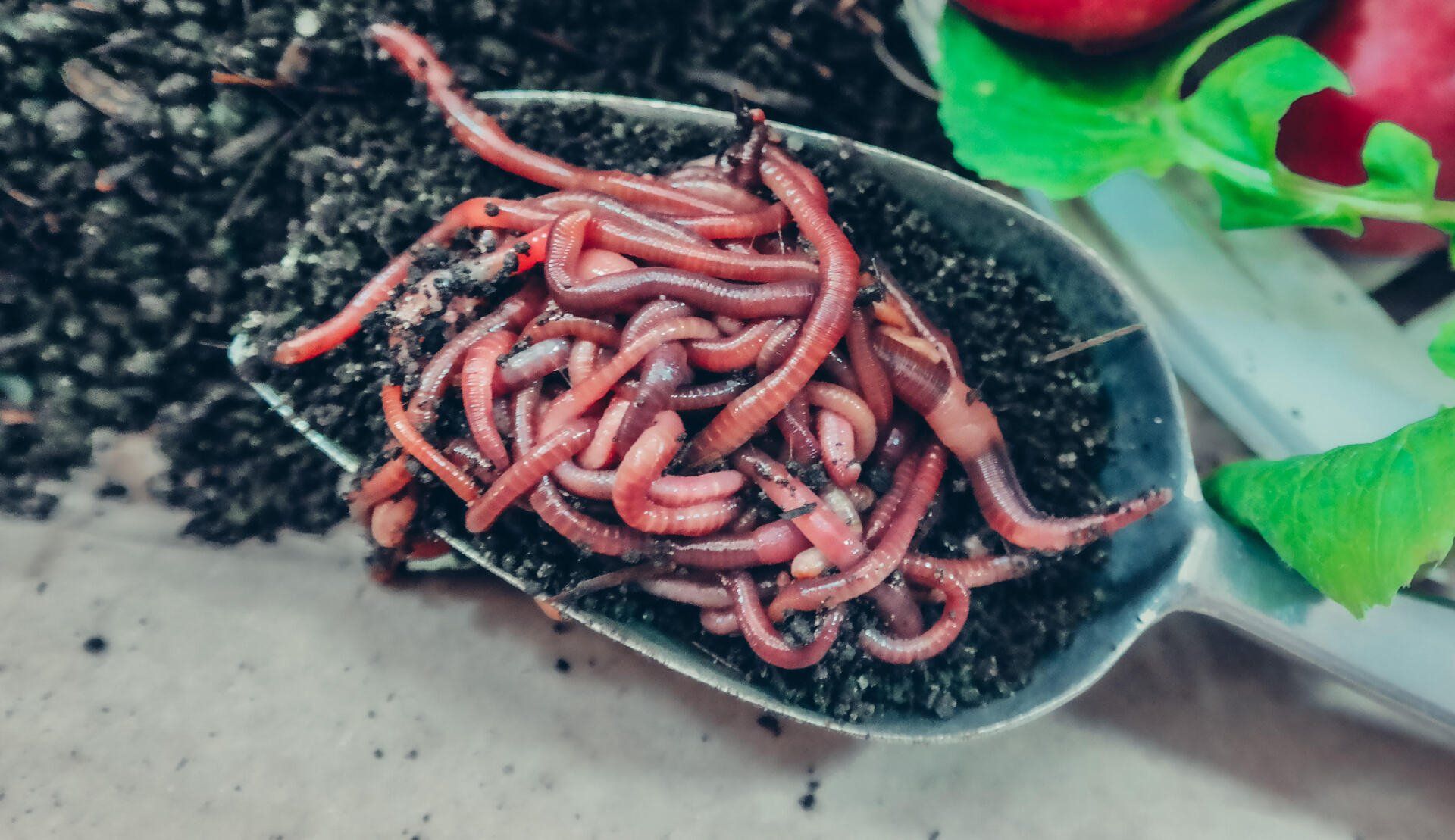
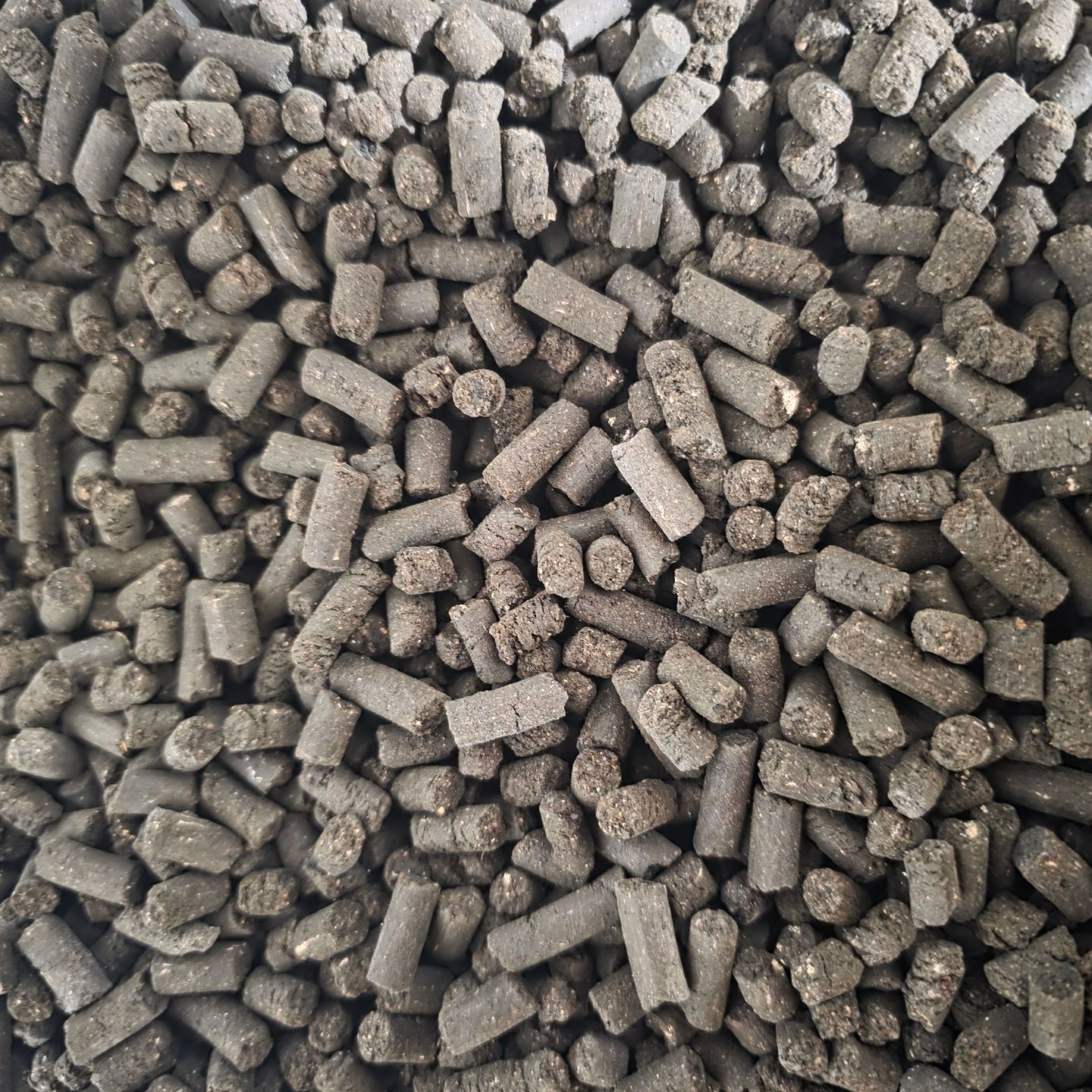
Compost and worm castings build lasting soil health, where a quick synthetic fix trades long-term condition for short-term convenience.
Measure Success Over Seasons, Not Just This One
Tracking soil condition year over year, not just this season's output, keeps decisions oriented toward the long term.
Avoid Convenient but Degrading Shortcuts
Practices that are easier now but erode soil structure or biology over time work against the stewardship mindset, even when they're tempting.
Apply It at Any Scale
A home gardener building soil for the long term is practicing the same stewardship mindset as a large operation, just at a smaller scale.
Soil Stewardship vs. Regenerative Agriculture
One is a mindset, the other is the set of practices that mindset tends to produce.
| Soil Stewardship | Regenerative Agriculture | |
|---|---|---|
| What it is | A mindset and set of priorities | A specific set of practices |
| Measurable? | Not directly, reflected in the choices made | Yes, through soil organic matter, biology, water cycles |
| Scale | Applies at any scale, including home gardens | Most commonly discussed at farm scale |
| Relationship | Stewardship is the mindset that tends to lead toward choosing regenerative and biological practices | |
Common Mistakes to Avoid
Stewardship failures usually come from prioritizing convenience over the long view.
Frequently Asked Questions
What is soil stewardship? +
How is soil stewardship different from regenerative agriculture? +
Why does soil stewardship matter for future generations? +
Can soil stewardship apply outside of farming? +
What practical choices reflect soil stewardship? +
Does soil stewardship require giving up short-term productivity? +
How does worm castings use reflect soil stewardship? +
Choosing worm castings over a quick synthetic fix is a small, practical way to put the soil stewardship mindset into action every time you feed your soil.