Soil Structure
Definition
Soil structure refers to the way individual soil particles (sand, silt, clay) are arranged into larger units called peds or aggregates. Good structure creates a balance of solid material, pore space, and biological habitat.

Sources: ScienceDirect Topics
Why It Matters
Structure determines how well soil holds water, drains excess moisture, supports root growth, and hosts microbial life. Poor structure is often the root cause of underperforming gardens and farms.
How It Works
Organic matter, fungal hyphae, worm activity, and root growth all contribute to building and maintaining structure. Tillage and compaction destroy it. Rebuilding takes years under conventional methods, or months with biological amendment.
Benefits
- Optimal water infiltration and retention
- Deeper root penetration
- Reduced runoff and erosion
- Enhanced gas exchange
Sources: Purdue Extension, Springer Nature
How to Build Soil Structure
Structure-building is biological, not just mechanical, and it compounds over time.
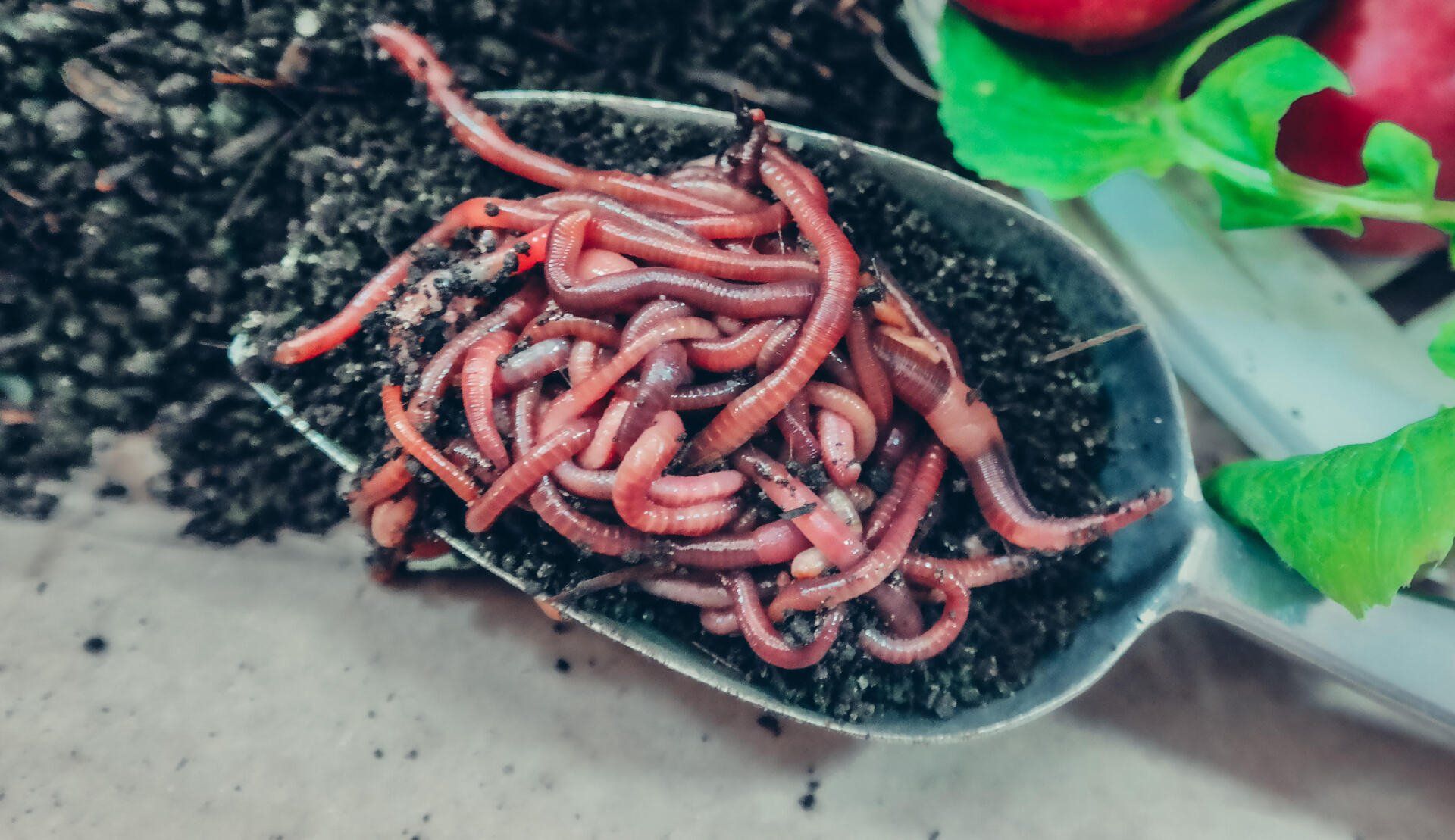
Introduce Live Worms and Castings
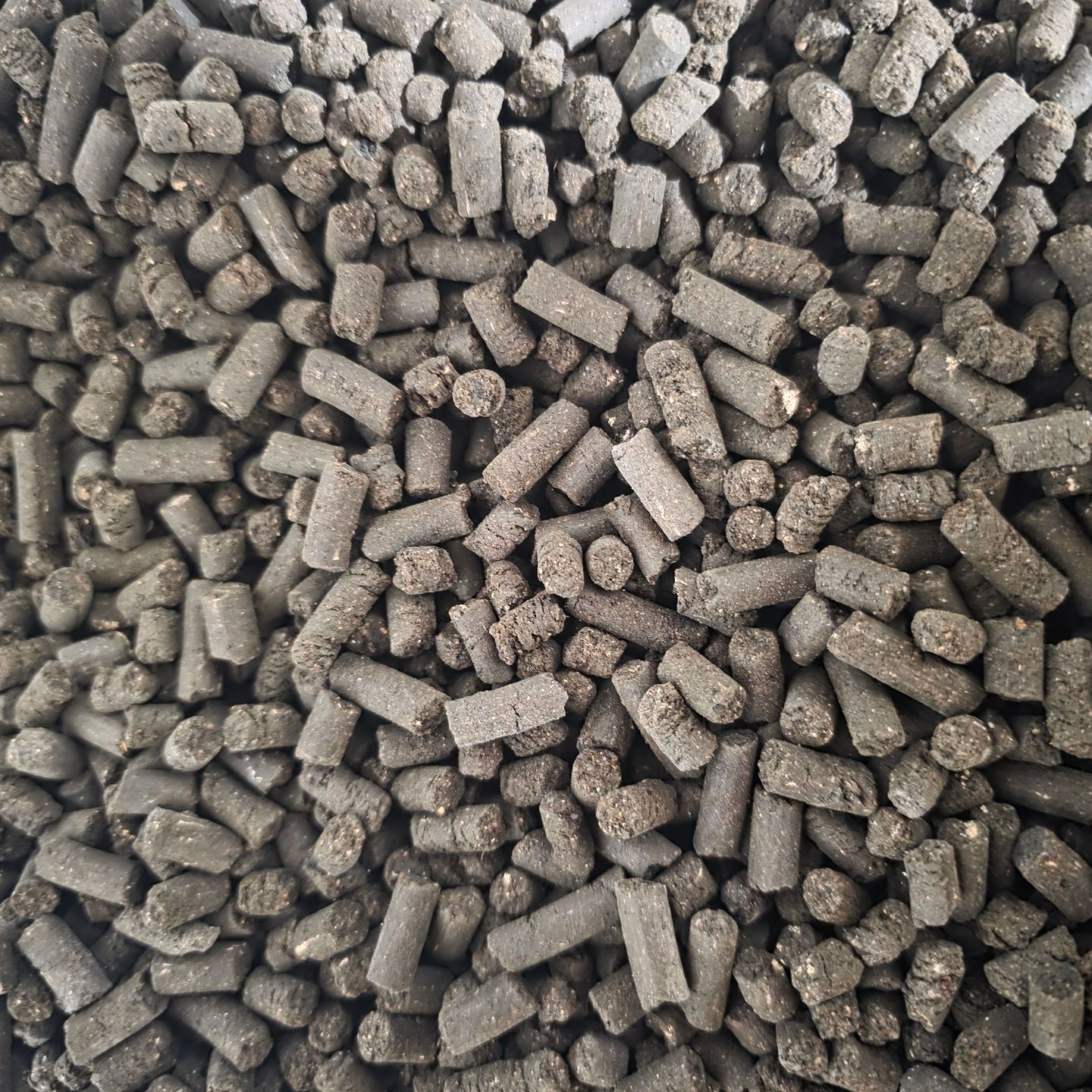
Live worms actively create channels while castings glue particles into stable aggregates, working together as one of the most effective biological structure builders.
Minimize Tillage
Tillage physically breaks apart aggregates that took time to form. Reduced disturbance lets structure accumulate rather than reset.
Add Organic Matter Consistently
Compost and worm castings feed the fungal and microbial activity that builds and maintains stable soil aggregates.
Avoid Compaction
Heavy equipment and foot traffic on wet soil collapses pore spaces. Working soil at the right moisture level protects existing structure.
Sources: Purdue Extension, ScienceDirect Topics
Well-Structured Soil vs. Compacted Soil vs. Sandy, Structureless Soil
Structure quality determines how the same rainfall and inputs actually perform.
| Well-Structured Soil | Compacted Soil | Sandy, Structureless Soil | |
|---|---|---|---|
| Water infiltration | Fast, even infiltration | Poor, water pools or runs off | Very fast, but drains straight through |
| Root penetration | Deep, unrestricted growth | Restricted, roots struggle to push through | Easy, but with little to anchor to |
| Water holding | Good balance of drainage and retention | Poor, prone to waterlogging | Poor, water passes through too quickly |
| Biological habitat | Supports diverse, active soil life | Anaerobic conditions suppress most biology | Limited habitat, little to hold biology in place |
| Best fix | Maintain with organic matter and minimal disturbance | Reduce traffic, add organic matter, consider aeration | Build organic matter to add structure and retention |
Sources: ScienceDirect Topics
Common Mistakes to Avoid
Structure is invisible until it's badly damaged, which makes it easy to neglect.
Sources: Purdue Extension, Springer Nature
Frequently Asked Questions
What is soil structure? +
Do earthworms really improve soil structure that much? +
How long does it take to rebuild soil structure? +
What destroys soil structure? +
What creates good soil structure? +
How can I tell if my soil has poor structure? +
Can worm castings improve soil structure? +
How is soil structure different from aggregation? +
Live worms and their castings together are among the most effective biological soil structure builders available — worms create channels while castings glue particles into stable aggregates.