Special Mix
Definition
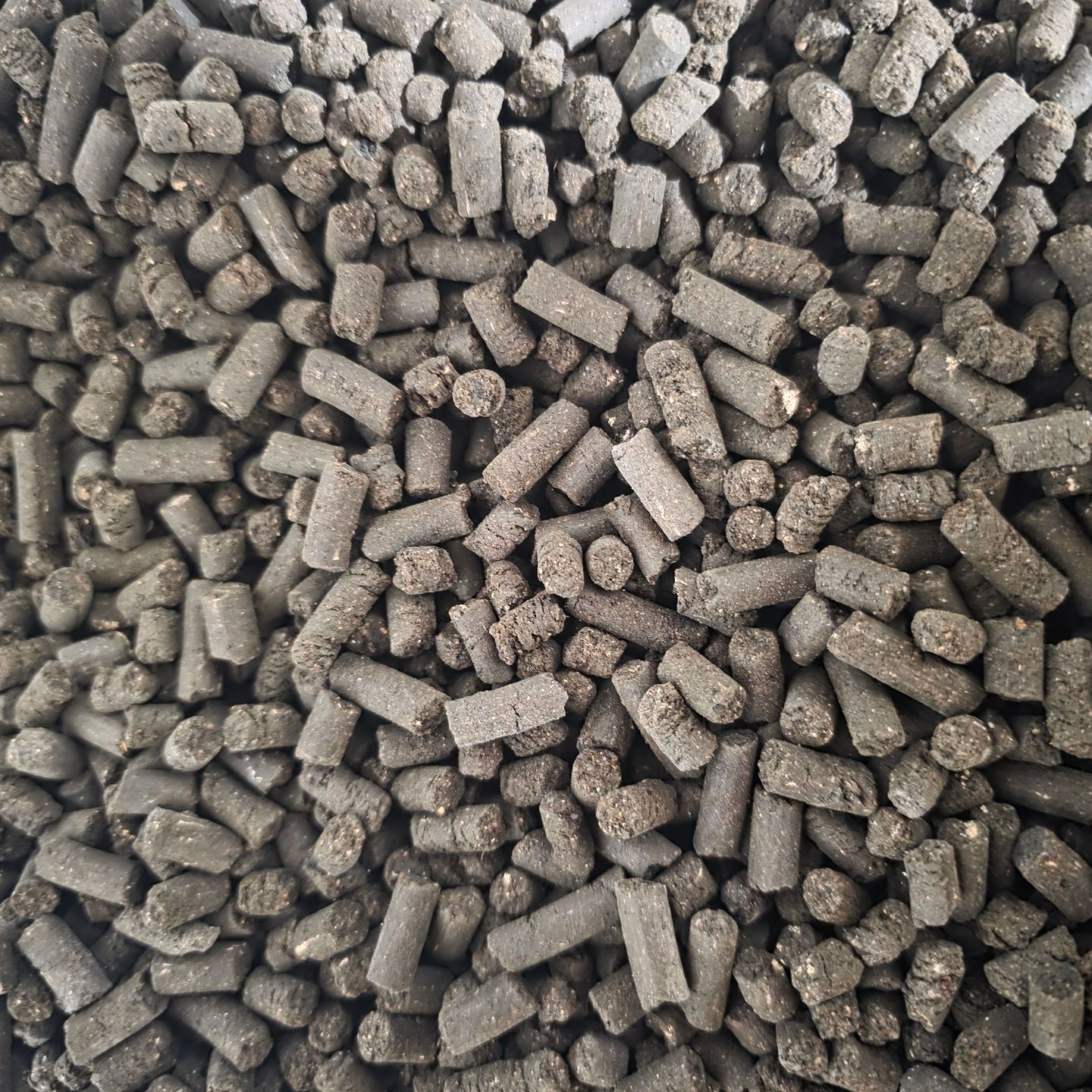
Special Mix is a specialty blend with a notably high fungal profile, combining coarse and fine casting-based material to create both the physical structure and biological food source fungi need to establish and thrive, distinct from finer, bacteria-dominant products.

Sources: USDA NRCS Soil Biology Primer (hosted by UC Berkeley)
Why It Matters
Bacteria and fungi favor different physical conditions. Bacteria tend to dominate in fine, uniform material, while fungi need coarser structure and undisturbed habitat to establish their networks. A blend specifically designed to favor fungal growth fills a gap that a standard fine-textured product can't.
How It Works
The mix of coarse and fine particle sizes creates physical structure and pore space that favors fungal colonization, while the biologically active casting material provides the food source fungal networks need to establish and spread, together building the kind of fungal-dominant habitat many perennial and woody plants especially benefit from.
Benefits
- Supports fungal colonization and growth
- Improves soil aggregation
- Builds long-term soil structure
- Suited to compost extract production
Sources: USDA NRCS Soil Biology Primer (hosted by UC Berkeley), Soil & Tillage Research (Borie et al. 2006), via Universidad de Chile
How to Use Special Mix
Because the whole point is protecting fungal networks, how you apply this matters more than the amount.
Top-Dress, Don't Till
Apply as a surface layer or work in gently rather than tilling, since digging and disturbance break apart the fungal hyphae networks this product is built to establish.
Perennials, Shrubs & Trees
Apply around the drip line of woody and perennial plants, where a more fungally dominant root zone tends to be beneficial.
Compost Extract Production
The coarser structure works well in extraction systems, producing an extract with a more fungal-dominant profile than one made from fine, bacteria-dominant castings.
Pair with Mulch
A layer of mulch on top helps protect the fungal network from disturbance and moisture loss as it establishes.
Sources: USDA NRCS Soil Biology Primer (hosted by UC Berkeley), Soil & Tillage Research (Borie et al. 2006), via Universidad de Chile
Special Mix vs. Standard Fine Castings vs. 1/4" Material Alone
All three come from the same source material — particle size and blend ratio change what each one is actually suited for.
| Special Mix | Standard Fine Castings | 1/4" Material Alone | |
|---|---|---|---|
| Texture | Blend of coarse and fine particle sizes | Fine, uniform particle size | Coarse only, no fine fraction |
| Microbial lean | Favors fungal colonization | Favors bacterial colonization | Provides structure, less biological food source on its own |
| Best applied | Top-dressed, not tilled | Can be worked into soil or used as a top-dress | Typically blended with other material rather than used alone |
| Best plant fit | Perennials, shrubs, trees | Annual vegetables and fast-growing plants | Structural applications: aeration, erosion control |
| Best for | Building fungal-dominant soil around long-lived plantings | General-purpose feeding and bacterial-leaning soil | Physical structure where biology matters less than airflow |
Sources: USDA NRCS Soil Biology Primer (hosted by UC Berkeley)
Common Mistakes to Avoid
Special Mix rewards a gentler touch than a standard bacterial-leaning amendment.
Sources: USDA NRCS Soil Biology Primer (hosted by UC Berkeley), Soil & Tillage Research (Borie et al. 2006), via Universidad de Chile
Frequently Asked Questions
What is Special Mix? +
Why does fungal content matter? +
How is Special Mix different from standard worm castings? +
What plants benefit most from Special Mix? +
Should I till Special Mix into the soil or leave it on top? +
Can I use Special Mix to make compost extract? +
What's the difference between Special Mix and 1/4" Material alone? +
How is Special Mix different from Basecamp? +
Specialty blends like this let products be tailored to specific soil or application goals, rather than treating every planting as if it needs the same biology.