Vermi Char
Definition
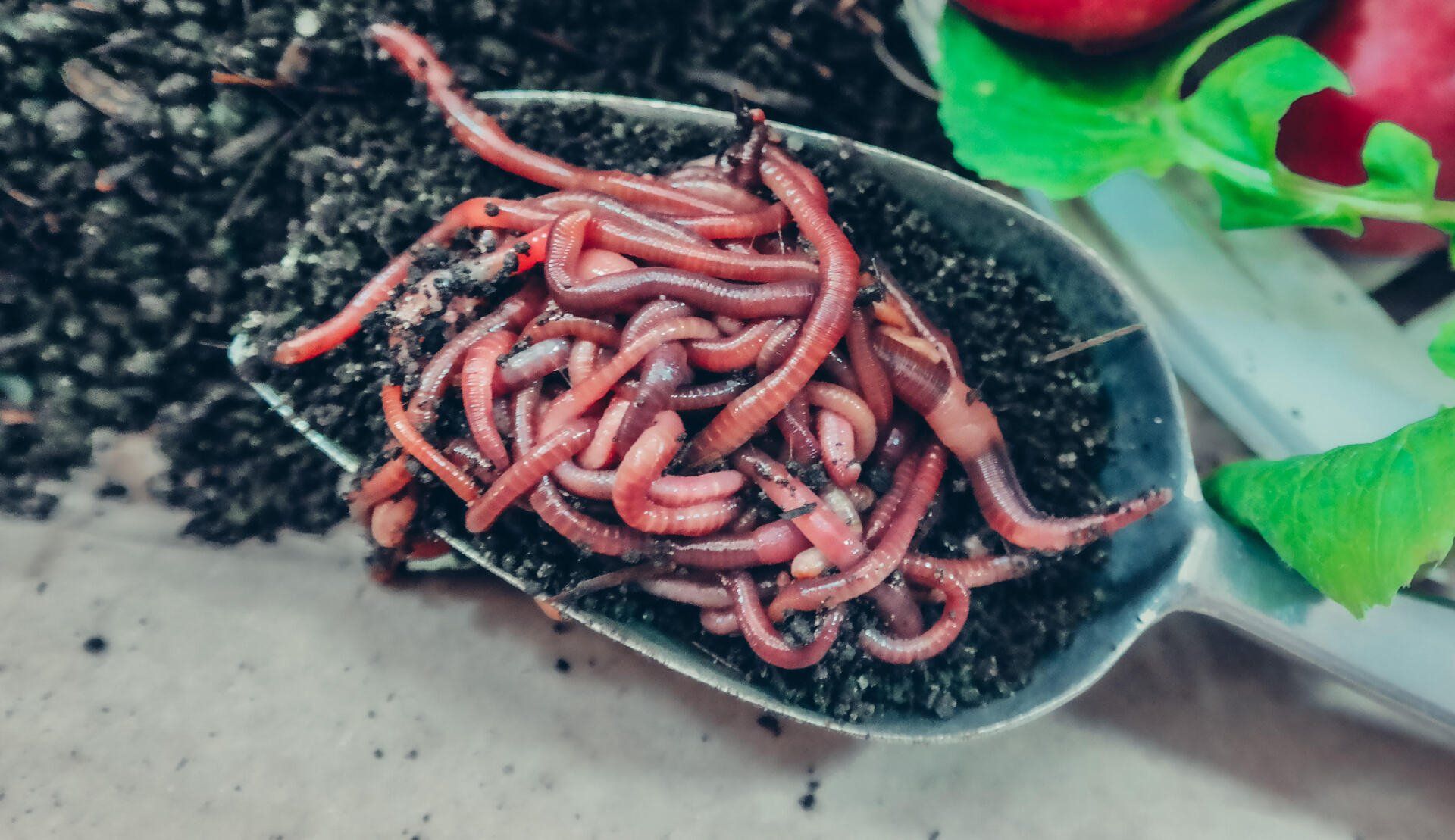
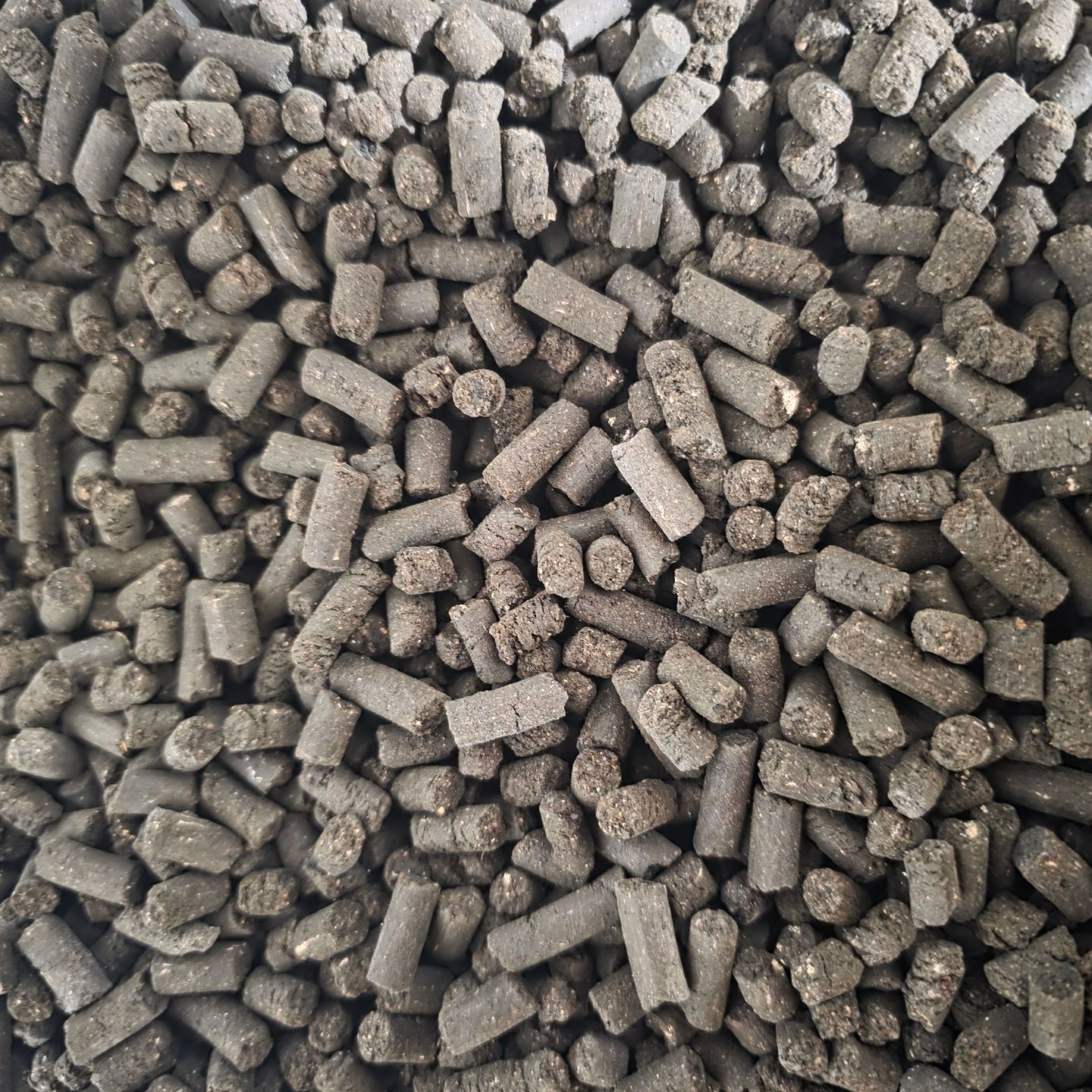
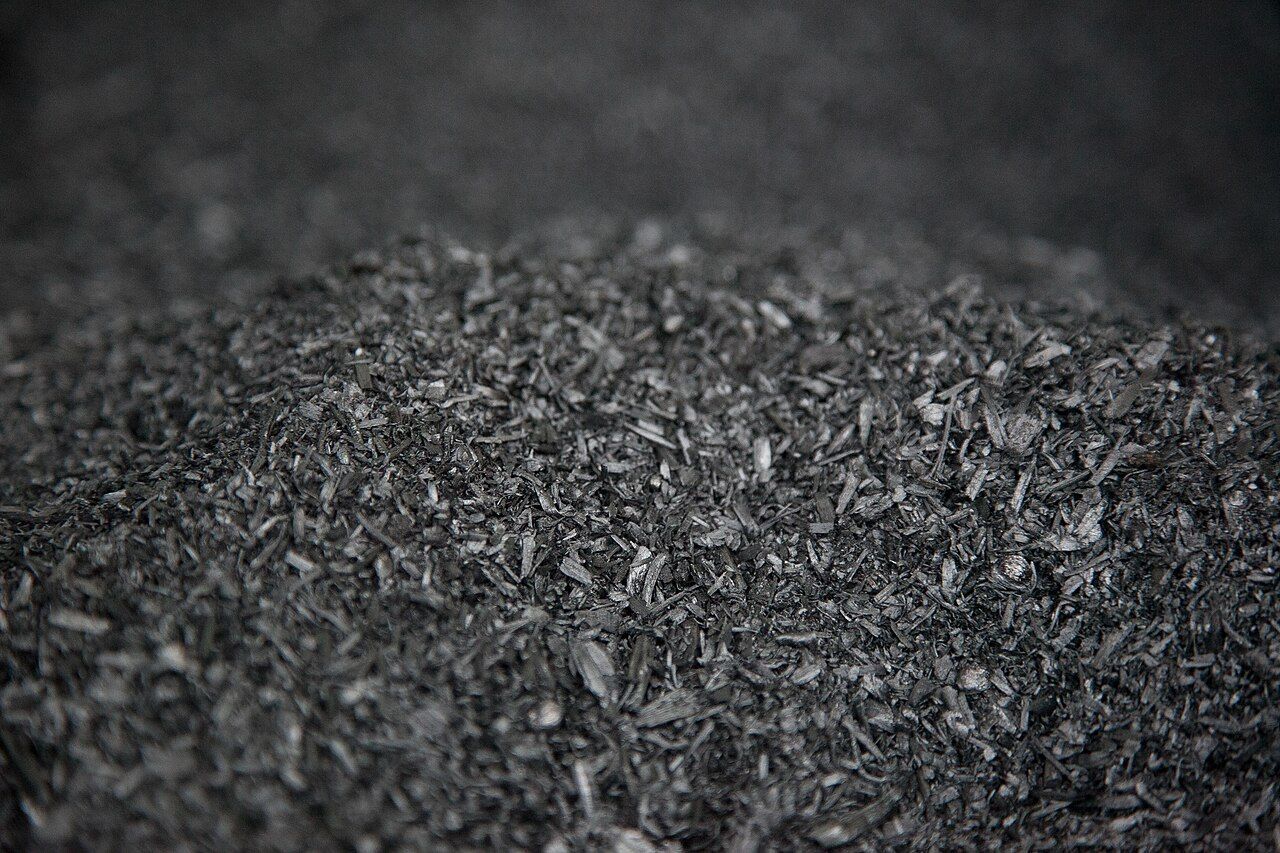
Vermi Char is a premium growing amendment that combines worm castings with biochar — activated carbon produced from the slow burning of organic material. The combination creates a highly porous, nutrient-rich amendment that dramatically increases soil CEC and biological activity.

Why It Matters
Biochar alone is relatively inert but creates pore structures that house beneficial microorganisms. When combined with the living biology of worm castings, the biochar becomes pre-colonized — delivering both a habitat and a thriving population from day one.
How It Works
Biochar's porous structure acts as a long-term home for bacteria and fungi introduced by the castings. As casting nutrients are consumed, the biochar continues to shelter the remaining microbes, extending the biological benefit for years.
Benefits
- Long-term carbon sequestration
- Permanent improvement to soil CEC
- Pre-colonized with beneficial microbes
- Improves water retention in sandy soils
- Buffers pH over time
Sources: Cogent Environmental Science (Taylor & Francis), ScienceDirect, Washington State University Extension (FS147E), Cornell Cooperative Extension Suffolk County
How to Use Vermi Char
Because Vermi Char combines a stable structural amendment with living biology, how and when you apply it matters more than with castings alone.
New Beds
Work roughly 1 part Vermi Char to 2–3 parts existing soil or compost into the top 6–8 inches before planting, giving the biochar direct contact with the root zone.
Established Beds
Scratch it lightly into the top inch or two of soil around plants 2–3 times per growing season and water it in, so it doesn't sit dry on the surface.
Container & Potting Mixes
Blend into potting mix at planting time. The biochar's water-holding capacity is especially useful in containers, which dry out faster than garden beds.
Why Pre-Blended Matters
Raw, unblended biochar needs to be charged separately before use. Vermi Char arrives already combined, skipping that extra step.
Sources: Cornell Cooperative Extension Suffolk County, Washington State University Extension (FS147E), Scientific Reports (2015)
Vermi Char vs. Raw Biochar vs. Worm Castings Alone
Each of these can improve your soil on its own — combining them changes what they're each capable of.
| Vermi Char | Raw Biochar | Worm Castings Alone | |
|---|---|---|---|
| Microbial habitat | Pre-colonized pore structure ready on application | Porous structure present, but empty and sterile until charged | No structural habitat — biology is present but not housed long-term |
| Nutrient behavior | Delivers nutrients immediately, then holds and slow-releases more over time | Can temporarily pull nutrients away from plants while uncolonized | Releases nutrients steadily but doesn't hold onto extras long-term |
| Longevity in soil | Biochar component persists for years; castings component refreshes biology | Extremely long-lasting structurally, but biologically inert alone | Breaks down and needs reapplication on a regular schedule |
| Prep needed | None — arrives pre-blended and ready to use | Should be charged (soaked in tea or extract) before use | None — ready to use as-is |
| Best for | Long-term soil building where you want structure and biology together | Situations where you're charging your own blend with specific inputs | Faster-turnaround feeding without a long-term structural investment |
Sources: Cogent Environmental Science (Taylor & Francis), Washington State University Extension (FS147E), Scientific Reports (2015)
Common Mistakes to Avoid
Vermi Char is more forgiving than raw biochar alone, but a few habits still get in the way of results.
Sources: Washington State University Extension (FS147E), Cornell Cooperative Extension Suffolk County
Frequently Asked Questions
What is Vermi Char? +
Why not just use biochar alone? +
How does Vermi Char compare with other charged biochar? +
How long before I see benefits from Vermi Char? +
What's the application rate for Vermi Char? +
Does Vermi Char expire or lose effectiveness? +
Can I make a similar blend myself? +
Is Vermi Char the same as charged biochar? +
Biochar works best when charged with biology — which is exactly what combining it with worm castings achieves. Raw biochar alone can temporarily rob soil of nitrogen during the microbial colonization process.