Yield
Definition
Yield is the harvested amount of crop or produce from a given growing area, typically expressed per acre for field crops or per plant for garden-scale growing. It's the most direct, measurable output of a growing season and the number most decisions ultimately get judged against.

Why It Matters
Whatever the goal, more consistent soil, healthier plants, better returns, yield is usually the number that measures whether it actually worked. It's the practical bottom line a season's worth of decisions, inputs, and soil conditions all show up in.
How It Works
Yield reflects the combined effect of soil biology, structure, and nutrient availability on how well a crop develops and produces. Healthier, more biologically active soil generally supports stronger and more consistent yields than depleted or compacted soil, though weather and other outside factors still play a role each season.
What Affects Yield
- Soil biology and nutrient cycling
- Soil structure and root development
- Weather and growing-season conditions
- Pest and disease pressure
Building Soil That Supports Strong Yield
Yield is downstream of soil, so improving one tends to improve the other.
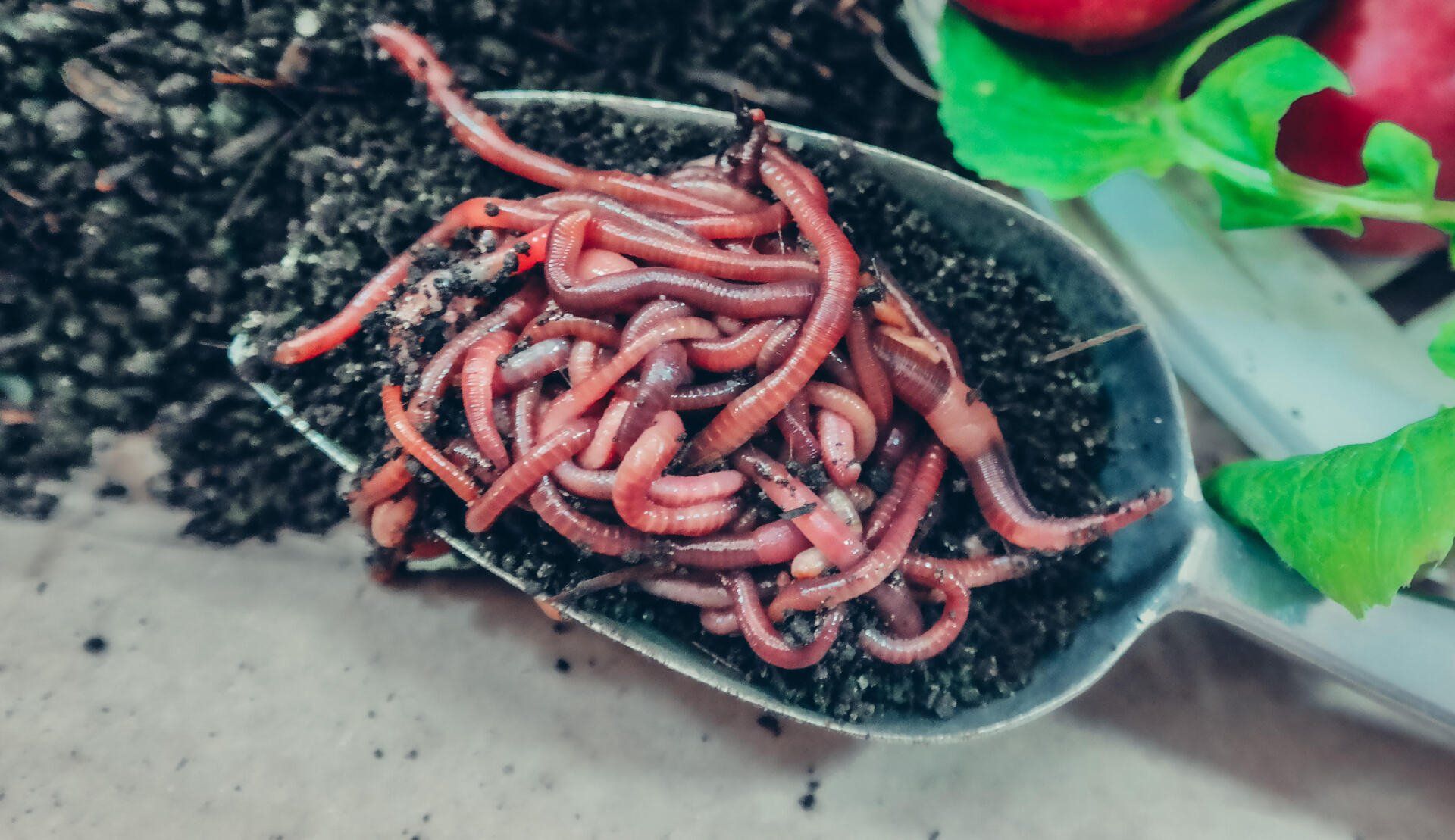
Build Soil Biology With Worm Castings
A diverse, active microbial community supports the nutrient cycling and root health that strong, consistent yield depends on.
Track Yield Season Over Season
Comparing yield across seasons, not just within one, reveals whether soil-building practices are actually paying off over time.
Weigh Yield Against Cost
A yield increase only matters if it's worth what it cost to achieve, which is where return on investment comes into the picture.
Separate Yield From Yield Potential
Actual yield can fall short of what the soil is capable of in a given season due to weather or pests, distinct from the underlying potential itself.
Yield vs. Yield Potential
One is what actually happened; the other is what the system is capable of.
| Yield | Yield Potential | |
|---|---|---|
| What it measures | What was actually harvested | What the system is capable of producing |
| Varies season to season? | Yes, based on weather, pests, and conditions | More stable, tied to underlying soil capacity |
| Directly measurable? | Yes, at harvest | Estimated, not directly observed |
| Relationship | Actual yield can fall short of yield potential when outside factors limit a season's results | |
Common Mistakes to Avoid
Yield tracking is only useful when it's measured and interpreted carefully.
Frequently Asked Questions
What is yield? +
How does soil health affect yield? +
What's the difference between yield and yield potential? +
Do biological amendments like worm castings improve yield? +
Is a higher yield always the goal? +
How is yield typically measured? +
Can yield vary significantly year to year even with the same practices? +
Yield reflects everything happening in the soil all season long; building soil biology with worm castings is one of the more durable ways to support it consistently.