Bedding
Definition
Bedding is the carbon-rich material that forms the habitat and primary living medium for worms in a vermicomposting system. Common materials include coco coir, shredded cardboard, aged wood chips, peat moss, and newspaper.

Sources: Cornell Waste Management Institute, University of Illinois Extension, NC State Extension (Sherman), Raising Earthworms Successfully, Alabama Cooperative Extension (ANR-1469), Washington State University Extension
Why It Matters
Bedding provides the carbon balance in a vermicomposting system, counteracting the nitrogen-rich food scraps worms consume. Poor bedding leads to odor problems, acidic conditions, and stressed worms.
How It Works
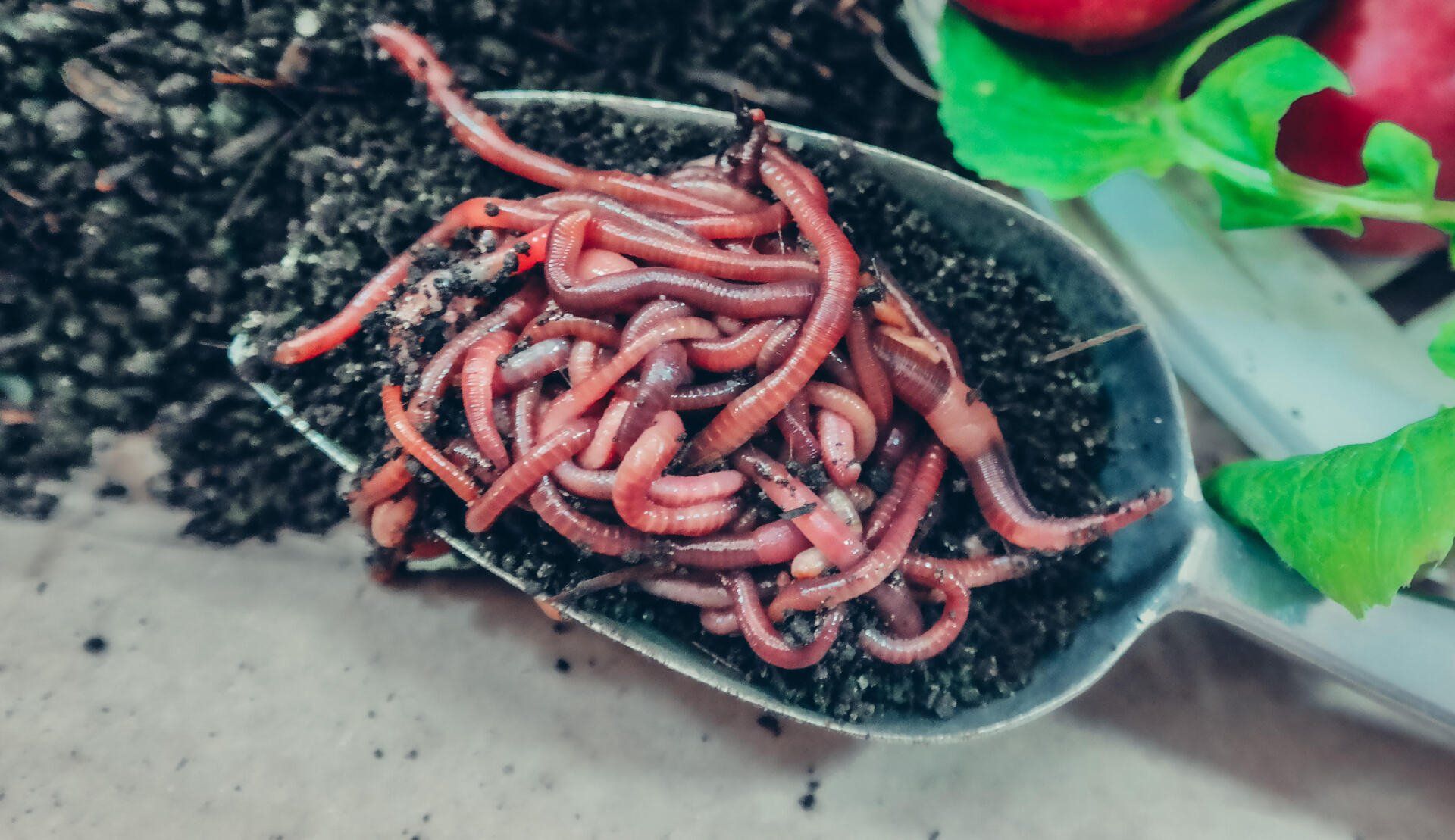
Worms live within the bedding, venturing into food layers to feed. The bedding absorbs moisture (ideally keeping 70–80% moisture content), provides carbon, moderates temperature, and gives worms refuge when conditions in the food layer are unfavorable.
Benefits
- Prevents odors by balancing carbon-to-nitrogen ratio
- Maintains ideal moisture levels
- Provides habitat and refuge for worms
- Contributes carbon to finished castings
Sources: Oregon State University Extension (EM 9034), Cornell Waste Management Institute, Washington State University Extension
How to Prepare Bedding
Good bedding is about moisture, texture, and blending materials, not just picking one option.
Moisten Before Adding
Soak dry materials like cardboard or coco coir until damp, then squeeze out excess so it feels like a wrung-out sponge, not dripping wet.
Shred or Break It Up
Cardboard and paper should be torn or shredded rather than left in large sheets, which can mat together and block airflow.
Blend Materials
Combine 2-3 bedding types, for example cardboard, coco coir, and shredded paper, to balance moisture retention with airflow better than any single material alone.
Fill Most of the Bin
Bedding should fill at least half the bin, since it's the primary habitat, not just a thin layer under the food.
Sources: Oregon State University Extension (EM 9034), Washington State University Extension, University of Maryland Extension (HG40), via Maryland Dept. of Agriculture, Alabama Cooperative Extension (ANR-1469)
Coco Coir vs. Shredded Cardboard vs. Peat Moss
Three of the most common bedding materials, each with a different balance of moisture, structure, and availability.
| Coco Coir | Shredded Cardboard | Peat Moss | |
|---|---|---|---|
| C:N ratio | ~80:1 | ~560:1 (very high carbon) | High carbon, similar range to coir |
| Moisture retention | Excellent | Moderate — needs pre-soaking | Very high — can hold excess water |
| pH | Neutral | Neutral | Acidic — use with care or blend with other materials |
| Cost/availability | Purchased, comes compressed and space-efficient | Free, widely available around the house | Purchased, less commonly used than coir |
| Best for | Beginners — low-risk, hospitable texture for new worms | Budget setups, high-carbon buffer for nitrogen-rich feeding | Boosting moisture retention when blended with drier materials |
Sources: HortTechnology (Meerow, 1995), Cornell Waste Management Institute, University of Illinois Extension
Common Mistakes to Avoid
Most bedding problems come down to moisture, matting, or an unbalanced carbon-to-nitrogen ratio.
Sources: Oregon State University Extension (EM 9034), Washington State University Extension, University of Maryland Extension (HG40), via Maryland Dept. of Agriculture
Frequently Asked Questions
What is bedding in a worm bin? +
What's the ideal carbon-to-nitrogen ratio for bedding? +
How wet should bedding be? +
What's the best bedding for a new worm bin? +
Do worms eat the bedding? +
Can I use fresh yard waste as bedding? +
How often does bedding need to be replaced? +
Starter Mix is pre-moistened and pH-balanced bedding ready for worms to move into immediately — eliminating the guesswork that causes most beginners to struggle in the first few weeks.