Biological Farming
Definition
Biological farming is an approach that intentionally manages soil biology as the primary driver of fertility and plant resilience, rather than treating biology as a secondary consideration behind chemistry and physical soil management the way conventional farming often does.

Why It Matters
Conventional farming often manages soil chemistry and physical structure directly, treating biology as incidental. Biological farming inverts that priority, using microbial activity as the primary tool to influence nutrient availability, structure, and plant health, since a thriving soil biology tends to solve chemistry and structure problems as a byproduct.
How It Works
Compost, worm castings, and biological inoculants are used to actively build and diversify the soil microbial community. Practices like reduced tillage and cover cropping protect that community once established, letting biological activity do much of the work that synthetic inputs or heavy mechanical intervention might otherwise handle.
Benefits
- Treats soil biology as the primary fertility driver
- Can improve nutrient availability without synthetic inputs
- Builds plant resilience through a diverse microbial community
- Compatible with organic and regenerative practices
Putting Biology First
These tools each directly support or protect the soil microbial community biological farming prioritizes.
Introduce Diverse Biology Directly
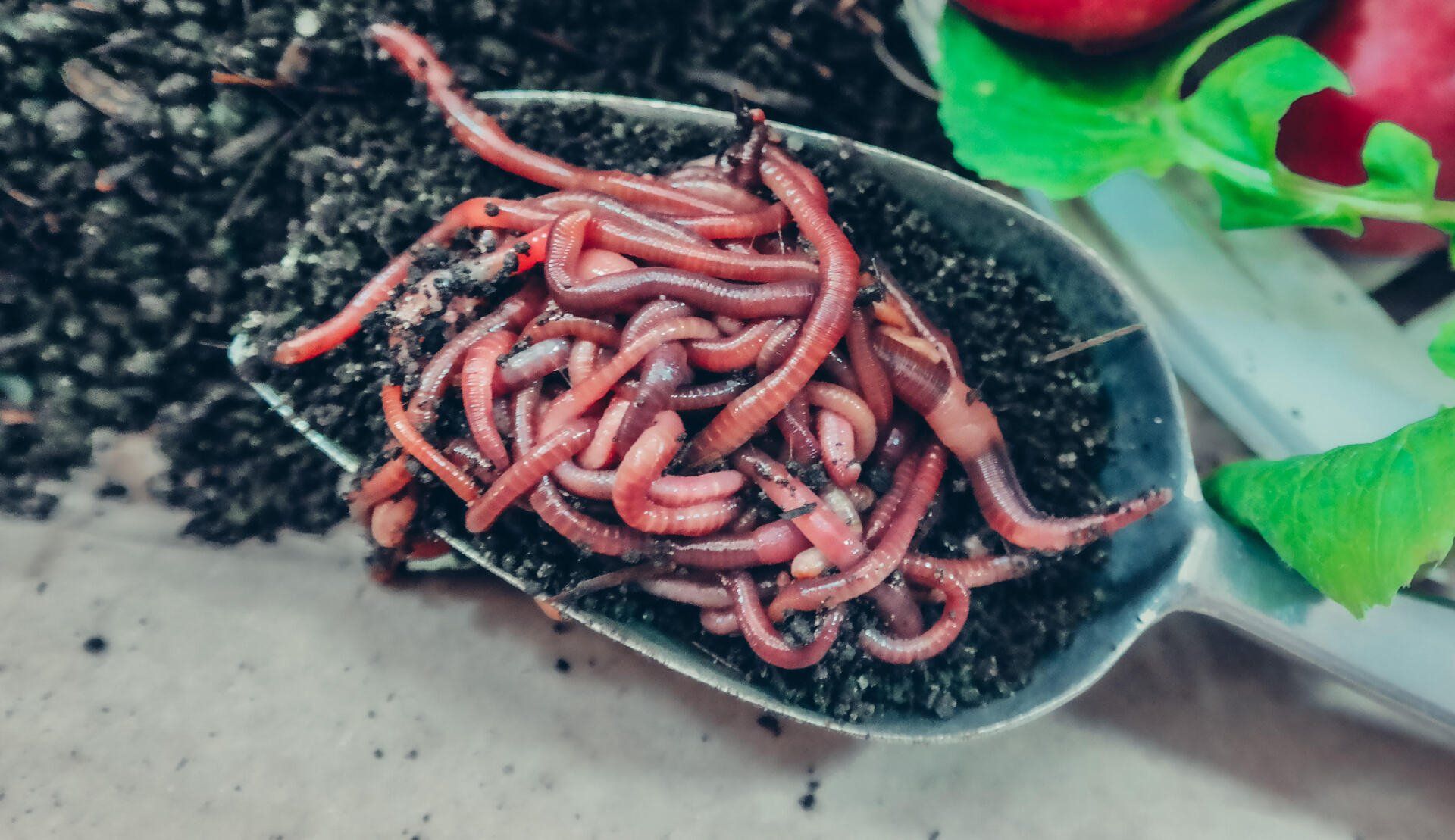
Worm castings and compost introduce a ready-made microbial community, rather than waiting for existing soil biology to slowly develop on its own.
Protect What's Already Established
Reduced tillage and cover cropping protect the microbial community once it's built, rather than repeatedly disrupting it.
Use Biological Inoculants Where Needed
Targeted inoculants can introduce specific beneficial organisms, like mycorrhizal fungi, when soil is missing them entirely.
Let Biology Solve Chemistry Problems
A thriving microbial community often improves nutrient availability and structure as a byproduct, rather than needing separate chemical fixes.
Biological Farming vs. Regenerative Agriculture
Substantially overlapping approaches, but with a different center of gravity.
| Biological Farming | Regenerative Agriculture | |
|---|---|---|
| Primary focus | Soil biology as the central fertility driver | Broad soil, water, and land restoration |
| Scope | Narrower, biology-specific emphasis | Wider, includes structure, water cycles, diversity |
| Core tools | Compost, castings, inoculants, reduced disturbance | All biological farming tools, plus broader practices |
| Can overlap? | Yes, biological farming is essentially a core component within the broader regenerative philosophy | |
Common Mistakes to Avoid
Biological farming rewards patience with soil microbiology; forcing quick fixes usually backfires.
Frequently Asked Questions
What is biological farming? +
How does biological farming relate to soil chemistry and physical management? +
Does biological farming require organic certification? +
What tools does biological farming use to build soil biology? +
How is biological farming different from regenerative agriculture? +
How does worm castings use fit into biological farming? +
Is biological farming practical for a home garden? +
Worm castings are a direct, ready-made way to put biological farming's core principle into practice, introducing a diverse microbial community rather than waiting for soil biology to develop on its own.