Compost Extract
Definition
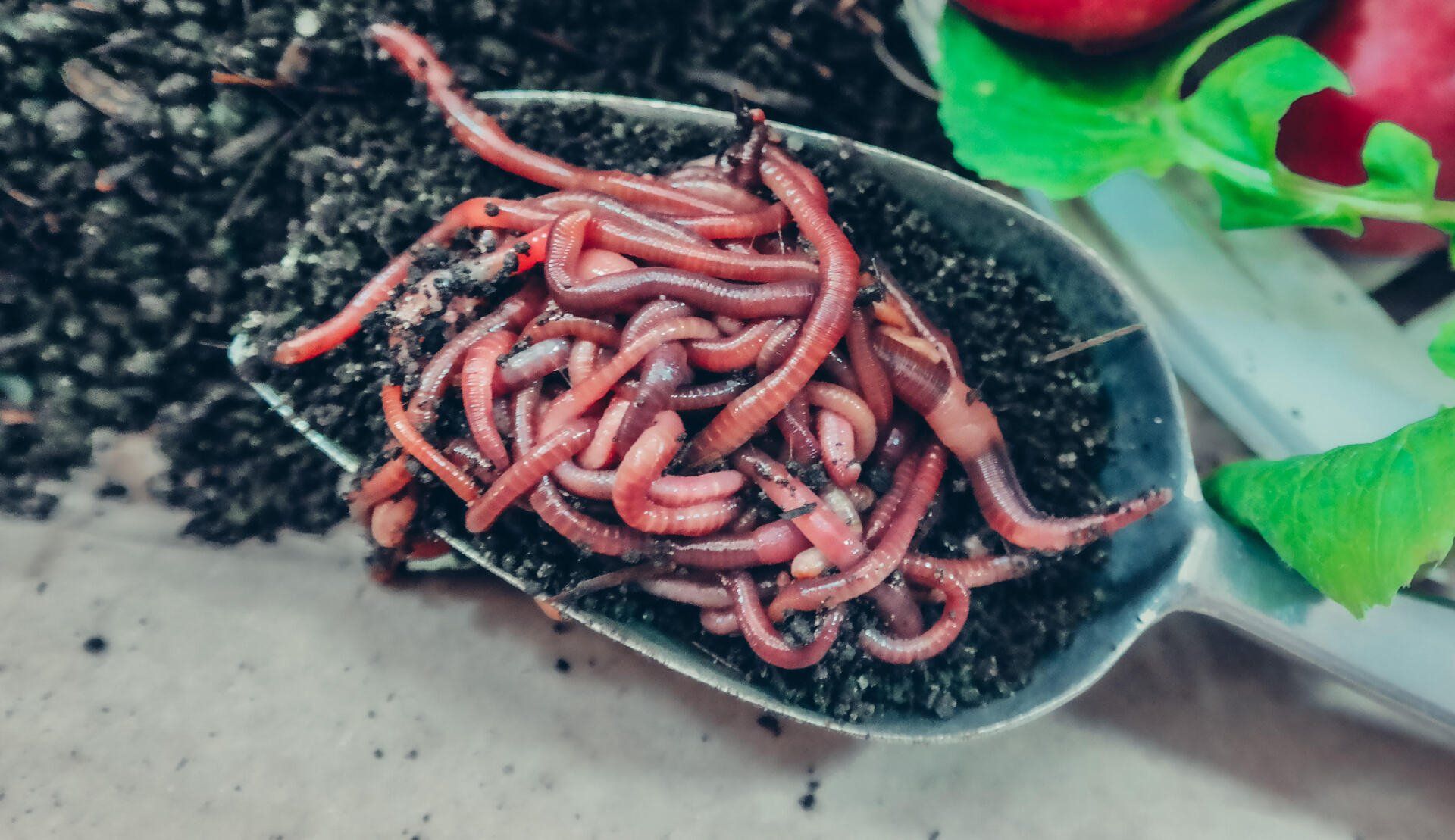
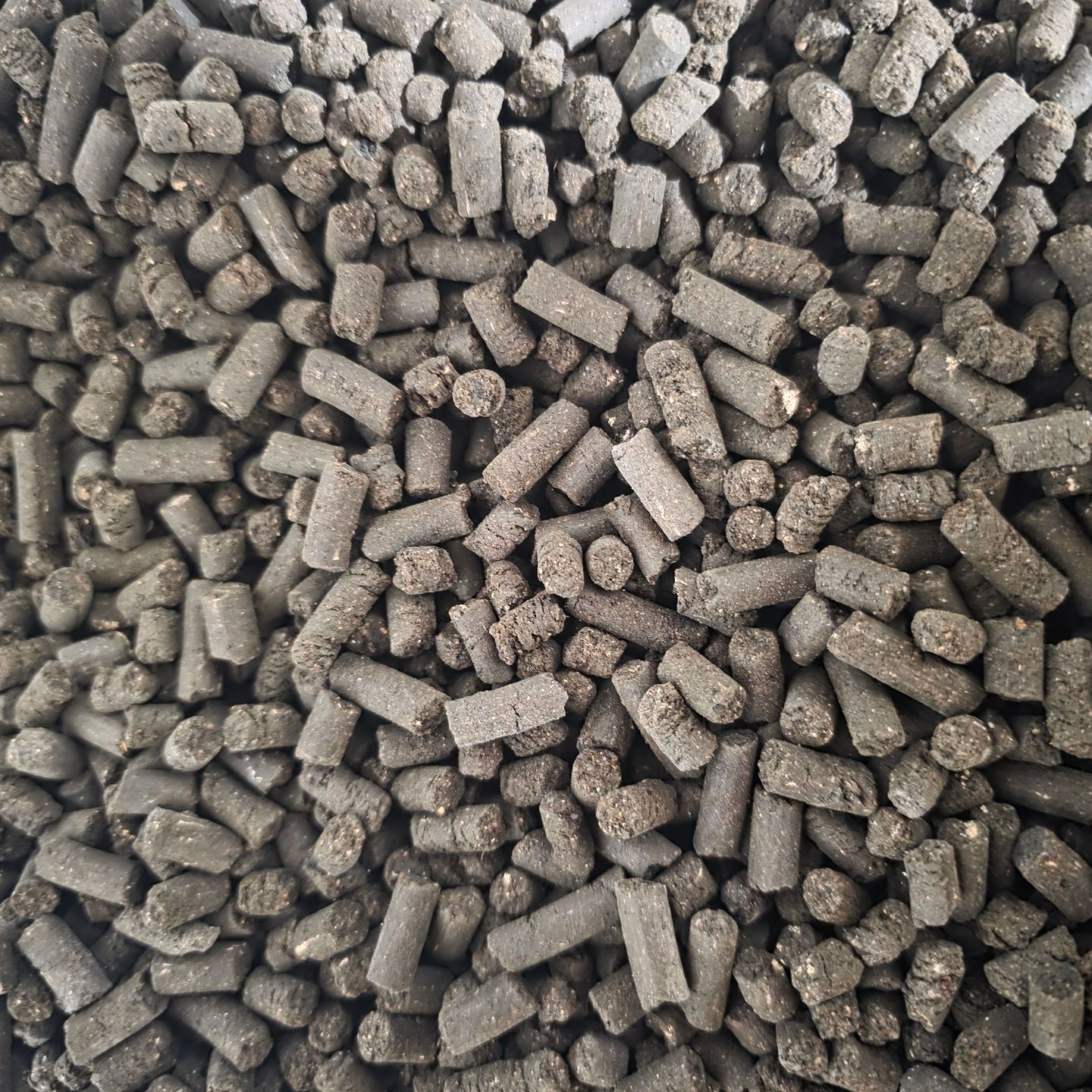
Compost extract is a liquid created by extracting microorganisms and soluble compounds out of compost or castings into water, giving compost's biological and nutritional value a liquid, sprayable form that can reach far more ground than the same volume of solid compost ever could.

Why It Matters
A given amount of solid compost can only physically cover so much ground when spread directly, but extracted into liquid form, that same starting material can be diluted and distributed across a much larger area while still delivering meaningful biology and nutrition to every square foot it touches.
How It Works
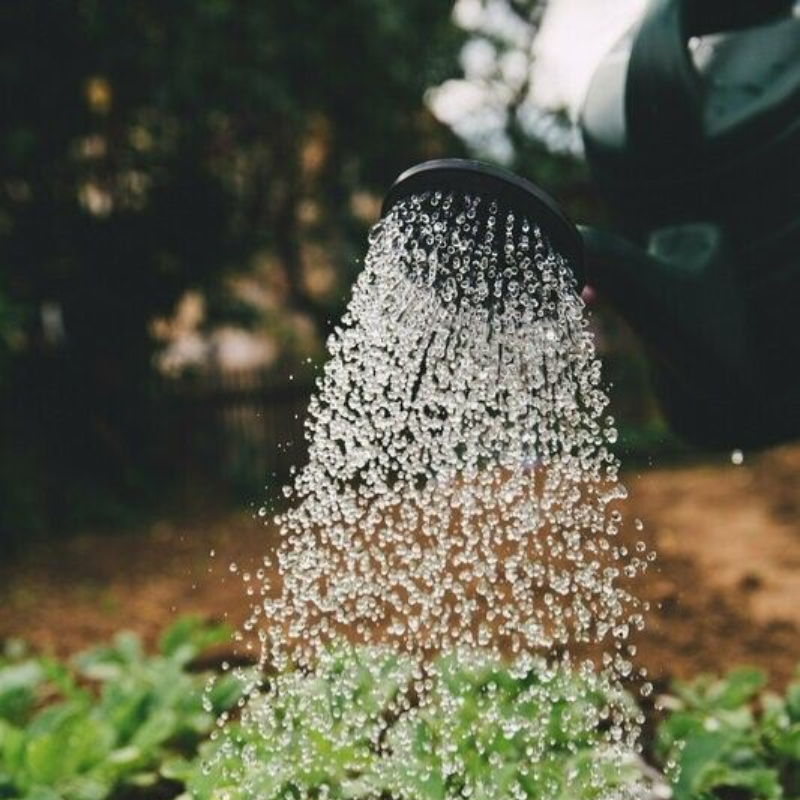
Water is passed through or mixed with compost or compost-like material, pulling soluble nutrients and dislodging beneficial microorganisms into the liquid, which can then be applied as a soil drench or foliar spray, delivering biology directly rather than waiting for it to work its way in from solid material on the surface.
Benefits
- Supports soil biology
- Can also be used as a foliar spray (secondary use)
- Provides root support
- Offers flexible use across irrigation and hand-watering systems
Sources: USDA AMS National Organic Program – NOSB compost tea/extract guidance, UConn Soil Nutrient Analysis Laboratory – Compost Tea, UC Cooperative Extension (El Dorado County Master Gardeners)
How to Use Compost Extract
Compost extract is built mainly for the soil and root zone rather than the leaf surface — that's the main thing that shapes how it gets applied.
Soil Drench (Primary Use)
Apply at or near full strength directly to the soil and root zone — this is what compost extract is best suited for, more so than foliar spraying.
Foliar Spray (Secondary)
Extract can be used as a foliar spray, but compost tea's higher, more active microbial population generally makes it the better-suited option for leaf surfaces.
Irrigation Systems
Because extract isn't fed or brewed with sticky microbial foods, it runs cleanly through drip or irrigation lines without the residue buildup tea can leave behind.
Storage
Unlike compost tea, extract isn't actively multiplying microbes, so it can be stored for up to a couple of weeks — though it's still best used reasonably promptly.
Sources: USDA AMS National Organic Program – NOSB compost tea/extract guidance, UConn Soil Nutrient Analysis Laboratory – Compost Tea, UC Cooperative Extension (El Dorado County Master Gardeners)
Compost Extract vs. Compost Tea vs. Worm Extract
All three are made by pulling biology out of solid material into water — the differences come down to how much brewing happens and what that brewing changes.
| Compost Extract | Compost Tea | Worm Extract | |
|---|---|---|---|
| How it's made | Compost or castings mixed with water, no aeration or added microbe food | Actively aerated with a pump and fed a food source (like molasses) for 24–48 hours | The same extraction process, using worm castings specifically as the source material |
| Microbial population | Roughly matches the source material — nothing added or multiplied | Higher total counts, since feeding and aeration actively multiply microbes | Matches the worm castings used — same principle as compost extract |
| Prep time | Minimal — no aeration or feeding required | 24–48 hours of active brewing | Minimal, same as general compost extract |
| Shelf life once made | Up to a couple of weeks — more stable since nothing was actively fed | Just a few hours once aeration stops — the dense microbial population dies off quickly | Similar shelf life to compost extract, up to roughly two weeks |
| Best application | Soil drench and root zone — its intended use | Foliar spray, thanks to its denser, more active microbial population | Soil drench and root zone, same as compost extract generally |
| Best for | Simple, low-equipment biology delivery to soil and irrigation systems | Maximizing microbial density when foliar coverage matters most | The same soil-focused use case, specifically built from worm castings |
Sources: USDA AMS National Organic Program – NOSB compost tea/extract guidance, UC Cooperative Extension (El Dorado County Master Gardeners), UConn Soil Nutrient Analysis Laboratory – Compost Tea, Applied Sciences (2021)
Common Mistakes to Avoid
Compost extract is simple to make and use, but a few habits still undercut its value.
Sources: UC Cooperative Extension (El Dorado County Master Gardeners), NC State Plants for Human Health Institute, UConn Soil Nutrient Analysis Laboratory – Compost Tea
Frequently Asked Questions
What is compost extract? +
How is compost extract different from compost tea? +
How is compost extract different from worm extract? +
Can compost extract burn plants? +
How long does compost extract last? +
Is compost extract better for soil or foliar application? +
Can I use tap water to make compost extract? +
Worm extract differs from generic compost extract mainly in its inputs and process — the source material is what determines everything an extract can deliver.