Houseplants
Definition
Houseplants are plants grown indoors in containers, entirely dependent on whatever's in that pot for water, air, and nutrients since they have no surrounding native soil or rainfall to fall back on. Everything a houseplant needs has to come from a small, closed volume of potting mix.

Why It Matters
Outdoor plants can draw on a vast, interconnected soil ecosystem for water, nutrients, and biology. A houseplant has none of that; its entire root system is confined to a single pot, making every input, water, nutrients, biology, entirely dependent on what a person deliberately provides.
How It Works
Since potting mix has no ongoing nutrient cycling of its own the way outdoor soil does, houseplants need more frequent, lighter feeding, whether through fertilizer or biological amendments like worm castings mixed in or applied as a light top dressing. Periodic repotting with fresh mix restores structure and fertility a confined container can't replenish on its own.
Benefits of Feeding Houseplant Soil Biology
- Supports root health in a confined space
- Helps break down organic matter within the pot
- Gentle enough for the smaller volume of soil involved
- Reduces reliance on synthetic fertilizer alone
Feeding Houseplant Soil Biology
Small pot, small margin for error, but simple habits keep houseplants thriving.
Mix In or Top Dress With Worm Castings
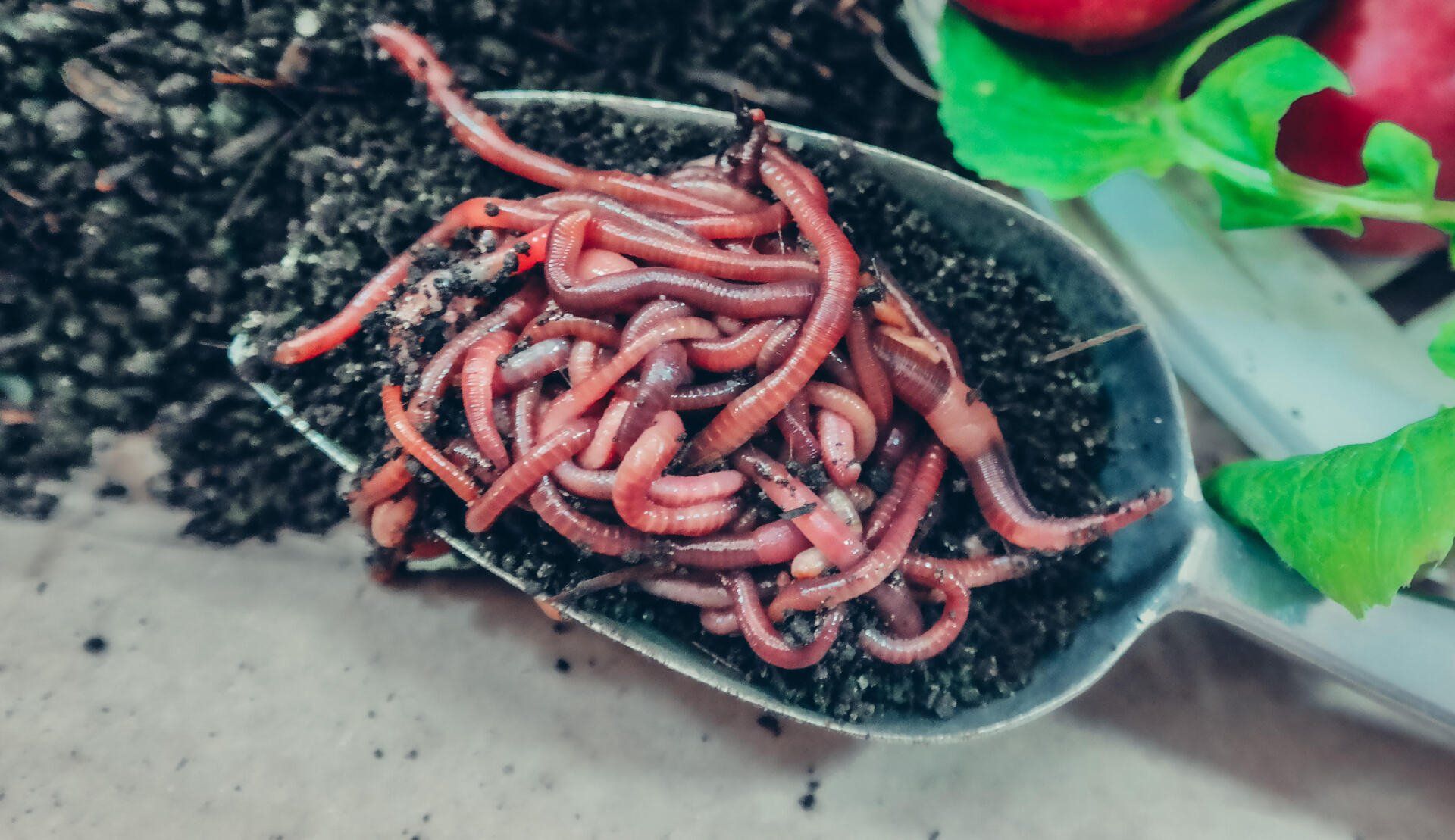
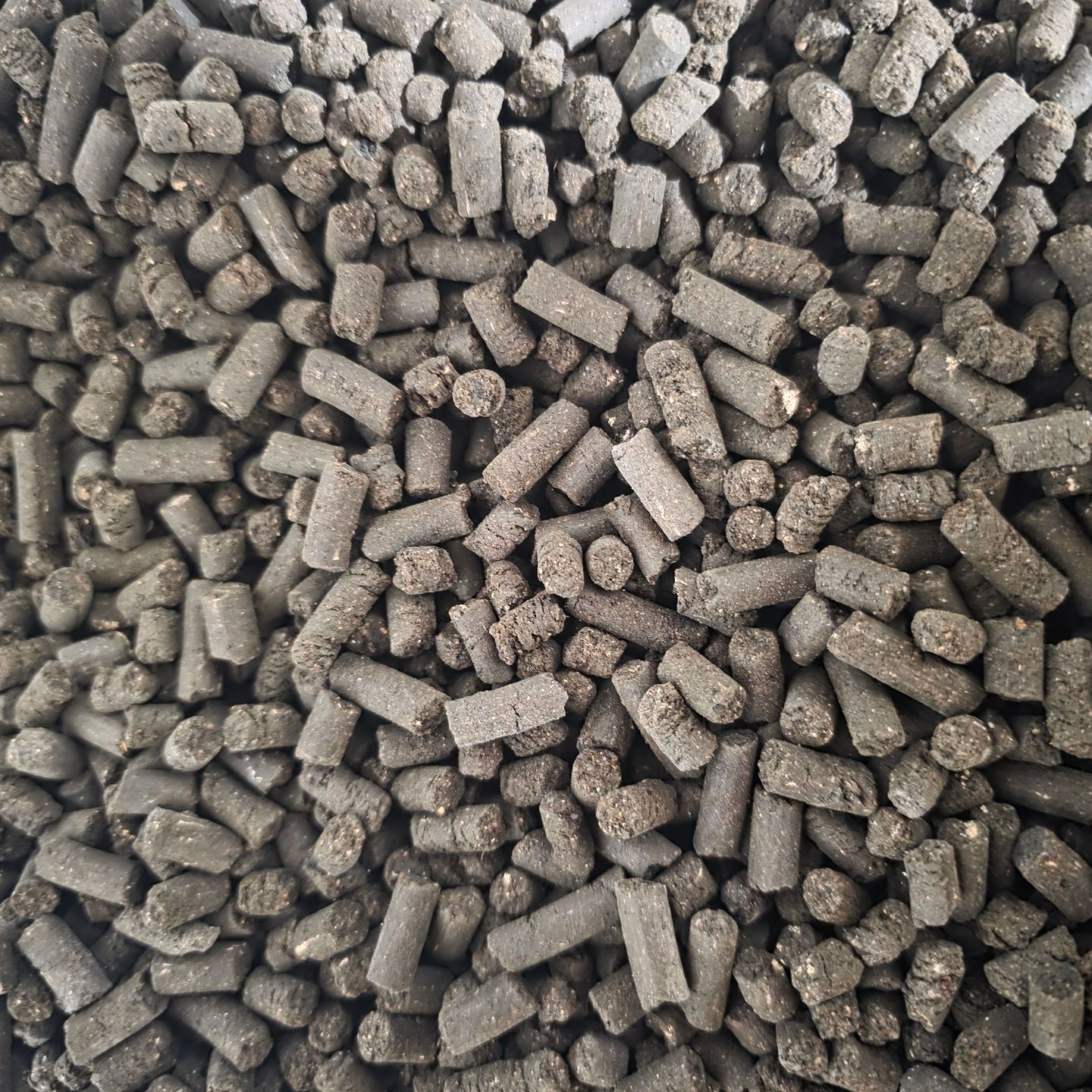
Worm castings are gentle enough for houseplants and introduce beneficial biology a sterile potting mix otherwise lacks entirely.
Feed Lightly, More Often
Without ongoing nutrient cycling, houseplants generally do better with frequent, light feeding than infrequent, heavy doses.
Repot Every Year or Two
Fresh mix restores structure and fertility a confined pot can't replenish on its own as the original material compacts and depletes.
Match Container Size to the Plant
A pot too large holds excess moisture and can lead to root rot; too small restricts growth. Matching size to the plant supports healthy roots.
Houseplants vs. Raised Beds
Both start with a custom soil mix, but at very different scales of independence from the outside world.
| Houseplants | Raised Beds | |
|---|---|---|
| Container size | Small, individual pots | Larger, framed garden-scale beds |
| Connection to outside soil | None, fully enclosed | None, but often much closer to ground level |
| Access to rainfall | None, indoor only | Yes, outdoor exposure |
| Feeding frequency | More frequent, lighter doses | Less frequent, seasonal top dressing |
| Refresh interval | Repotted every 1–2 years | Topped off seasonally, rarely fully replaced |
Common Mistakes to Avoid
Houseplant soil issues usually come from treating potting mix like it can care for itself.
Frequently Asked Questions
What are houseplants? +
Why do houseplants need different care than outdoor plants? +
How often should houseplant soil be fed? +
Can worm castings be used on houseplants? +
Why does houseplant potting mix need replacing periodically? +
Do houseplants benefit from the same soil biology as outdoor plants? +
How is a houseplant different from a raised bed? +
Worm castings are gentle enough to use directly on houseplants, introducing the kind of beneficial biology a sterile potting mix has little to none of on its own.