Living Soil
Definition
Living soil is a cultivation philosophy and growing medium characterized by a thriving, diverse community of microorganisms, fungi, and macro-organisms that cycle nutrients and support plant growth without reliance on synthetic inputs. It is the foundation of organic and regenerative growing.

Why It Matters
Sterile potting mix has to be fed every cycle, since nothing in it can cycle nutrients on its own. Living soil flips that, hosting an active biological community that does much of the nutrient cycling work continuously, reducing the need for constant synthetic fertilizer inputs.
How It Works
A diverse population of bacteria, fungi, and other organisms breaks down organic matter and makes nutrients available to plant roots on an ongoing basis. Rather than replacing the growing medium each cycle, living soil is topped off with fresh organic matter, keeping the biological community fed and active indefinitely.
Benefits
- Cycles nutrients continuously, reducing fertilizer needs
- Can be reused and rebuilt rather than replaced each cycle
- Supports plant resilience through microbial diversity
- Reduces long-term input costs over multiple grow cycles
Building and Maintaining Living Soil
The right inputs and a light touch keep living soil's biological community thriving.
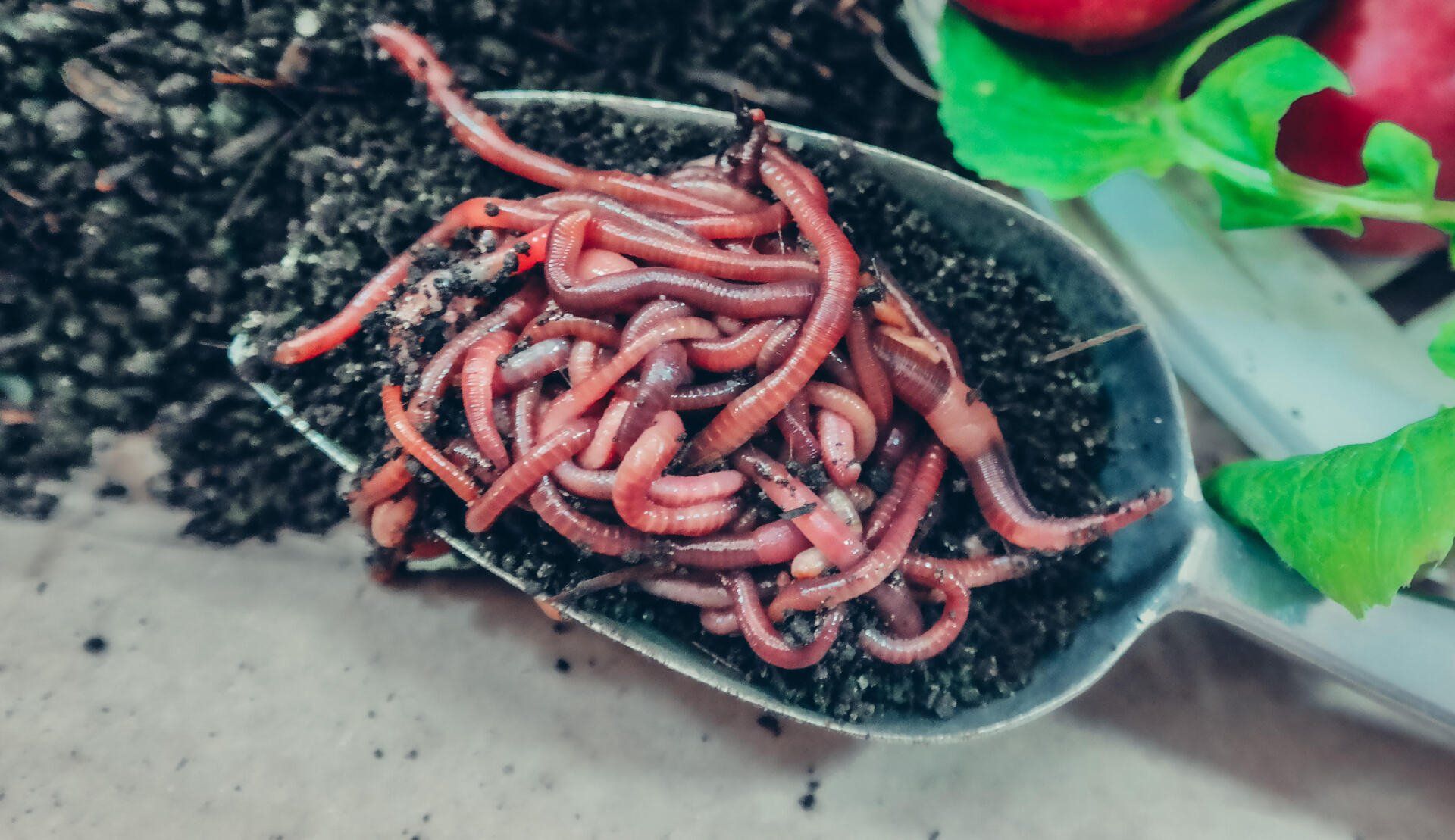
Inoculate With Worm Castings
Worm castings introduce a diverse, ready-made microbial population, giving living soil a strong biological starting point.
Top Dress Between Cycles
Rather than replacing the medium, a fresh layer of compost or castings on top keeps the biological community fed cycle after cycle.
Avoid Synthetic Inputs
Synthetic fertilizers and pesticides can disrupt the microbial community living soil depends on, working against the system's core mechanism.
Keep It Undisturbed
Avoiding tillage between plantings protects the fungal networks and soil structure the biological community has built.
Living Soil vs. Potting Soil
Both grow plants, but one relies on ongoing biology and the other relies on repeated feeding.
| Living Soil | Potting Soil | |
|---|---|---|
| Biological activity | Thriving, diverse community | Sterile or minimal biology |
| Nutrient cycling | Ongoing, via microbial activity | None, requires added fertilizer |
| Reusable between cycles? | Yes, topped off and rebuilt | Typically replaced each cycle |
| Feeding requirement | Periodic top dressing | Regular synthetic fertilizer |
| Best use | Long-term, biology-first growing | Short-term or single-cycle growing |
Common Mistakes to Avoid
Living soil problems usually trace back to interrupting the biological cycle it depends on.
Frequently Asked Questions
What is living soil? +
How is living soil different from potting soil? +
Can living soil be reused season after season? +
What builds and maintains living soil? +
Does living soil require more maintenance than conventional growing? +
Is living soil practical for container gardening? +
How does worm castings use support living soil? +
How does living soil relate to no-till practices? +
How does living soil relate to regenerative agriculture? +
Worm castings give a living soil mix a strong biological head start, introducing a diverse microbial population instead of waiting for one to develop from scratch.