Mulch
Definition
Mulch is any material spread over the soil surface, wood chips, straw, leaves, or similar organic matter, to protect the ground beneath it, conserve moisture, and suppress weeds. Unlike tilling material into the soil, mulch stays on top and works its way down gradually.

Why It Matters
Bare soil loses moisture quickly and invites weed growth. A layer of mulch acts as a protective barrier, holding moisture in, keeping soil temperature more stable, and blocking the light weed seeds need to germinate, all without any tilling or soil disturbance.
How It Works
Mulch is spread across the soil surface at a sufficient depth to block light and slow moisture evaporation. Over time, organic mulch materials gradually break down, adding organic matter to the surface much like a slow, continuous top dressing, while fresh mulch continues protecting what's underneath.
Benefits
- Conserves soil moisture
- Suppresses weed germination
- Moderates soil temperature swings
- Gradually adds organic matter as it breaks down
Applying Mulch Well
Material choice and depth make the difference between effective mulch and wasted effort.
Choose Material for the Goal
Wood chips last longer and suit perennial beds; straw and shredded leaves break down faster, suiting annual vegetable beds.
Apply at the Right Depth
Two to four inches suppresses weeds and holds moisture without smothering plants or excluding oxygen from the soil surface.
Leave a Gap Around Stems
Piling mulch directly against stems or trunks traps moisture and can encourage rot. A small gap avoids this.
Layer It Over Compost or Castings
Applying a biological amendment first, then mulch on top, combines nutrient and moisture benefits in one layered application.
Mulch vs. Top Dressing
Both cover the soil surface, but they emphasize different benefits.
| Mulch | Top Dressing | |
|---|---|---|
| Primary purpose | Moisture retention and weed suppression | Feeding soil biology and nutrients |
| Typical thickness | Thicker, 2 to 4 inches | Thinner, a quarter to half an inch |
| Common materials | Wood chips, straw, leaves | Compost, worm castings |
| Breakdown speed | Slower, especially wood chips | Faster, finer material |
| Can be combined? | Yes, applying compost or castings first, then mulch on top, combines both benefits | |
Common Mistakes to Avoid
Mulch problems usually come down to depth or placement, not the material itself.
Frequently Asked Questions
What is mulch? +
How thick should a mulch layer be? +
Is mulch the same as top dressing? +
What materials make good mulch? +
Does mulch improve soil over time? +
Can mulch be applied too close to plant stems? +
How does mulch fit with worm castings or compost applications? +
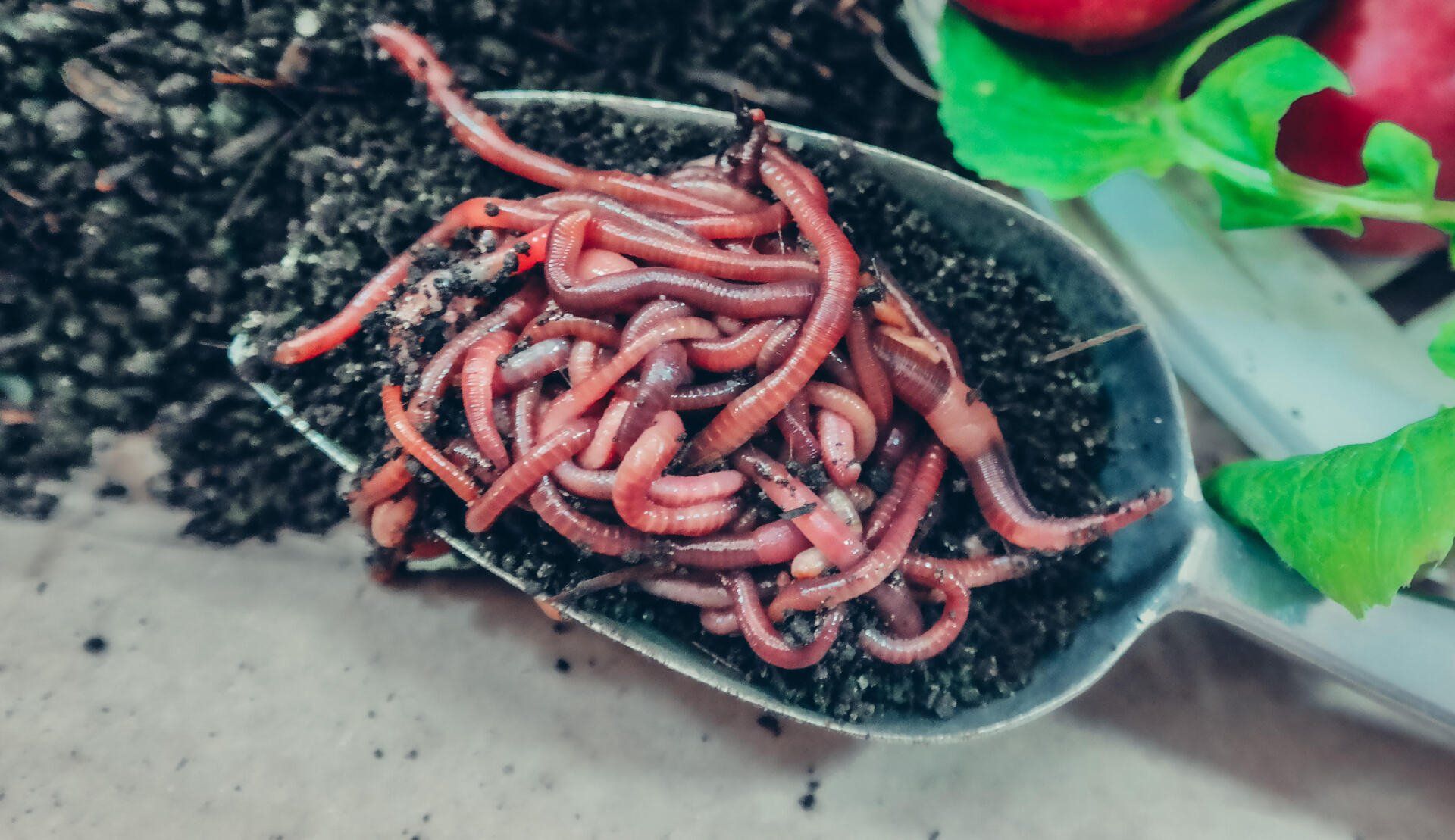
Applying worm castings to the soil surface before mulching combines a biological boost with mulch's moisture retention and weed suppression in one layered step.