Top Dressing
Definition
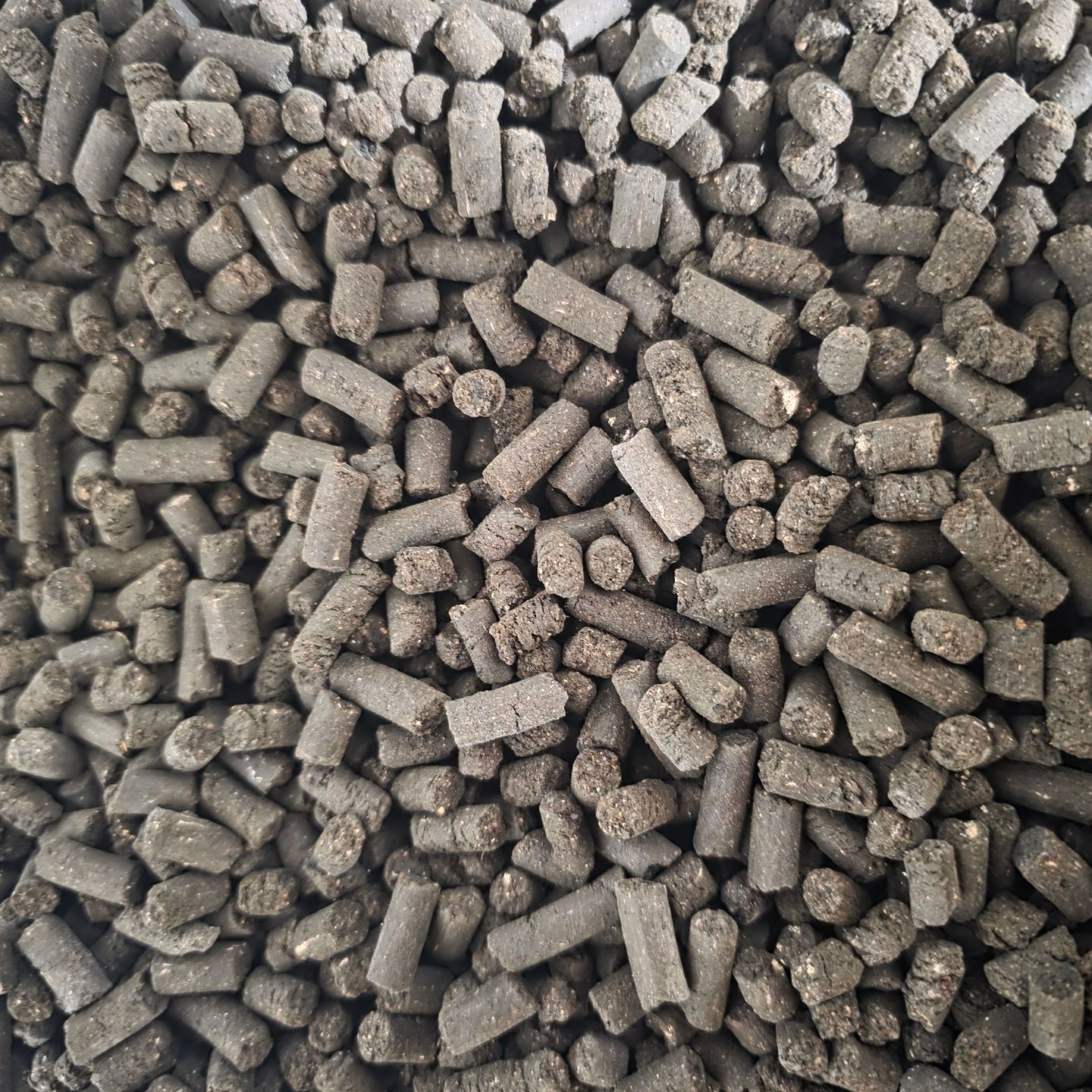
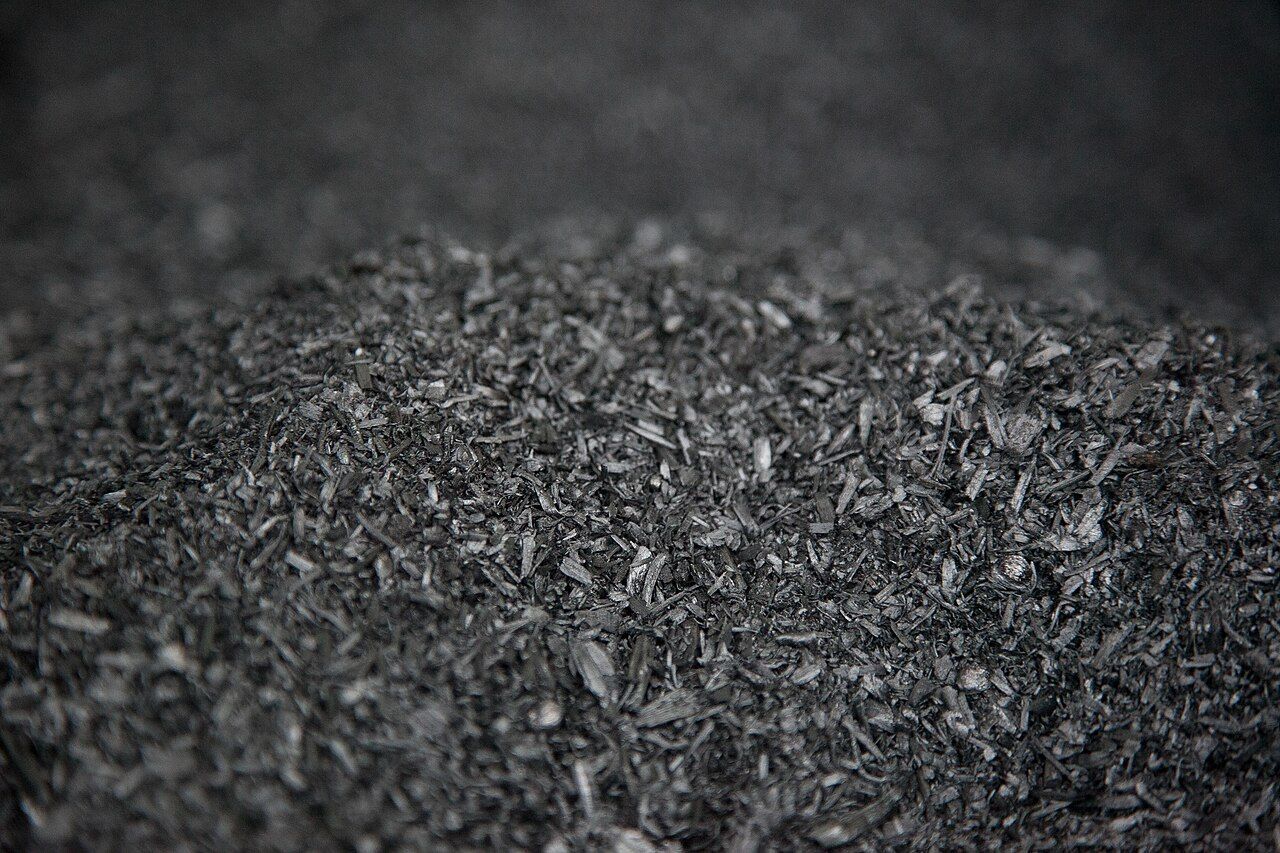
Top dressing is the practice of applying amendments (compost, castings, mulch) to the surface of existing soil or turf without tilling. Water and biological activity gradually move the amendment into the root zone.

Why It Matters
Tilling amendments into existing soil or turf disturbs soil structure and can damage fungal networks and established root systems already in place. Top dressing avoids that disruption entirely, letting biology do the work of incorporation gradually instead.
How It Works
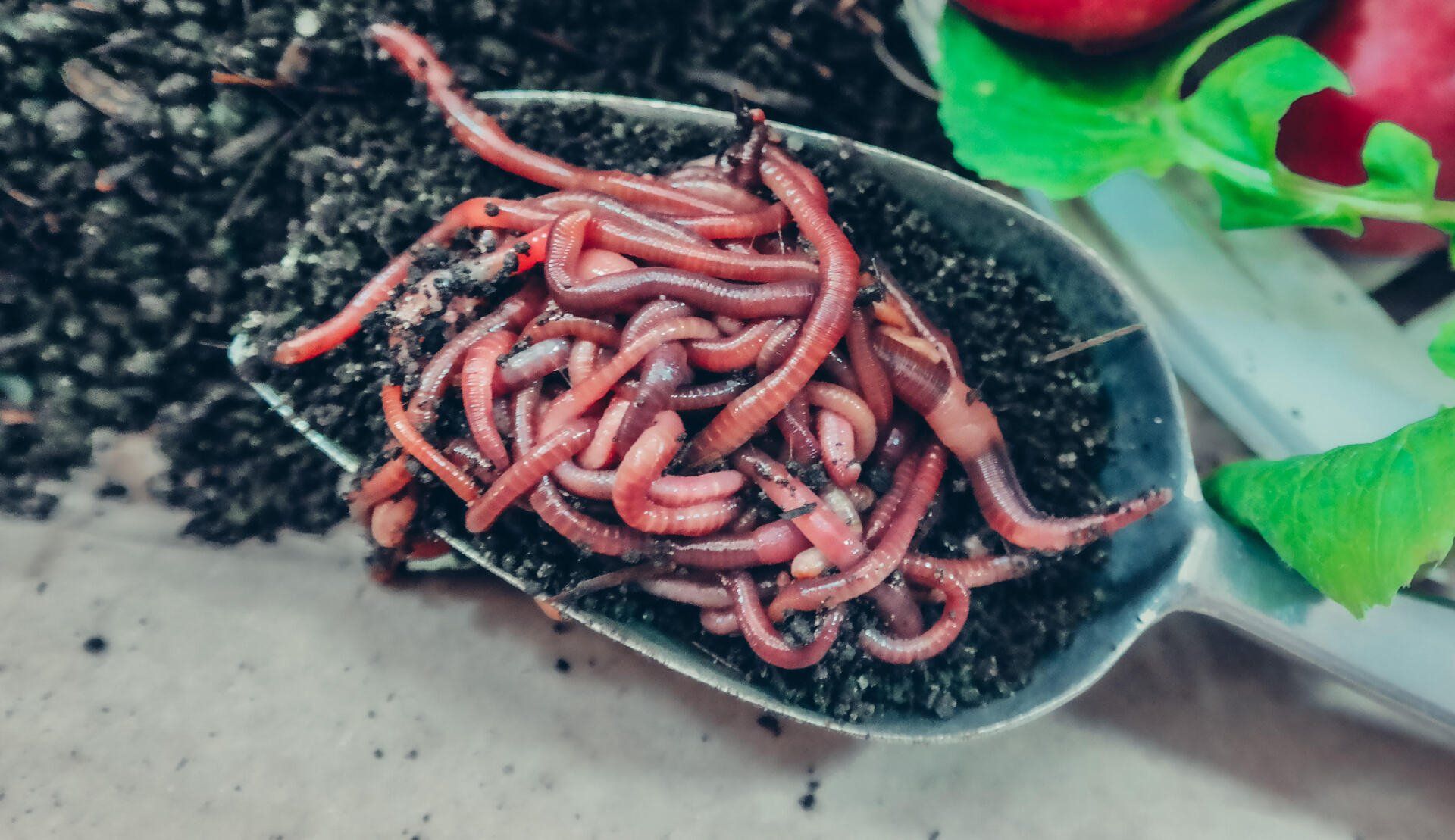
A thin layer of compost, castings, or mulch is spread evenly across the surface of existing soil or turf. Rain, irrigation, and the activity of worms and soil microbes gradually carry the amendment down into the root zone over the following weeks.
Benefits
- No soil disturbance or tilling required
- Preserves existing fungal networks and roots
- Works on established lawns and garden beds
- Gradual, biology-driven incorporation
Getting the Most From Top Dressing
Layer thickness and material choice determine how well a top dressing performs.
Keep the Layer Thin
A quarter to half an inch of compost or castings is usually enough. Too thick a layer risks smothering existing turf or seedlings.
Time It With Active Growth
Early spring or fall, during active growing periods, lets biological activity work the amendment in without adding summer heat stress.
Choose the Amendment for the Goal
Compost or castings for feeding soil biology, mulch for moisture retention and weed suppression, each suits a slightly different purpose.
Water It In
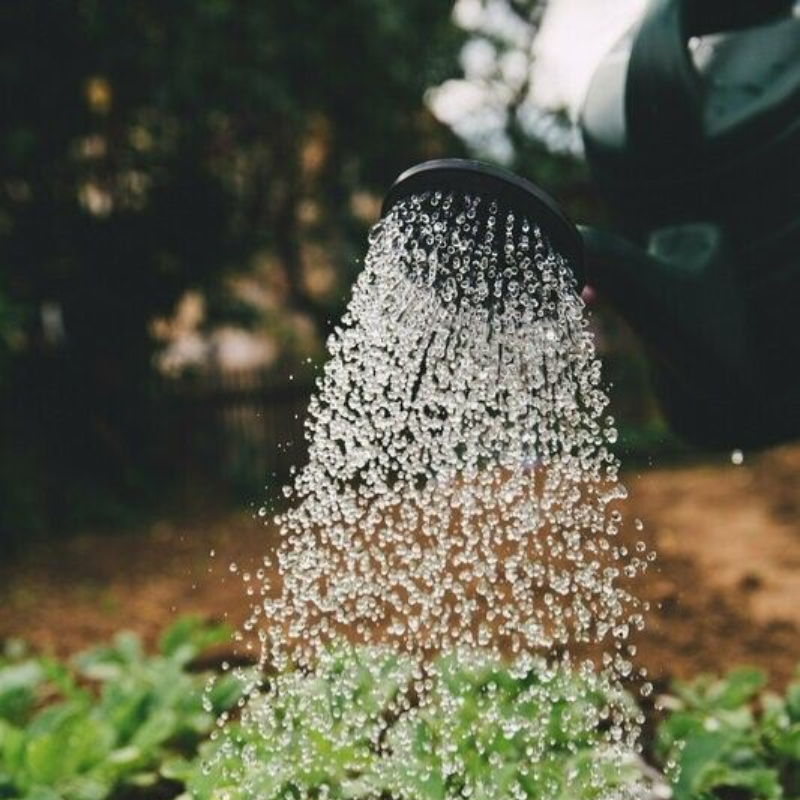
Regular watering after application helps carry the amendment down into the root zone faster than rainfall alone might.
Top Dressing vs. Soil Drench
Both add biology and nutrients to existing soil without disturbing what's already growing, but in very different forms.
| Top Dressing | Soil Drench | |
|---|---|---|
| Form of amendment | Solid (compost, castings, mulch) | Liquid (extract, tea) |
| Incorporation speed | Weeks to a couple months | Days, as liquid moves into root zone |
| Application frequency | Occasional, a few times a year | More frequent, every few weeks |
| Physical disturbance | None, surface-applied only | None, poured directly onto soil |
| Best use | Building lasting soil structure over time | Ongoing biology and nutrient delivery |
Common Mistakes to Avoid
Top dressing rewards patience; forcing results too fast usually backfires.
Frequently Asked Questions
What is top dressing? +
Why top dress instead of tilling amendments into soil? +
What materials work well for top dressing? +
How thick should a top dressing layer be? +
How long does it take for a top dressing to work into the soil? +
Is top dressing the same as mulching? +
When is the best time to top dress a lawn or garden bed? +
A thin layer of worm castings top dressed onto established beds lets soil biology carry the benefit down to roots without ever disturbing what's already growing.