Soil Drench
Definition
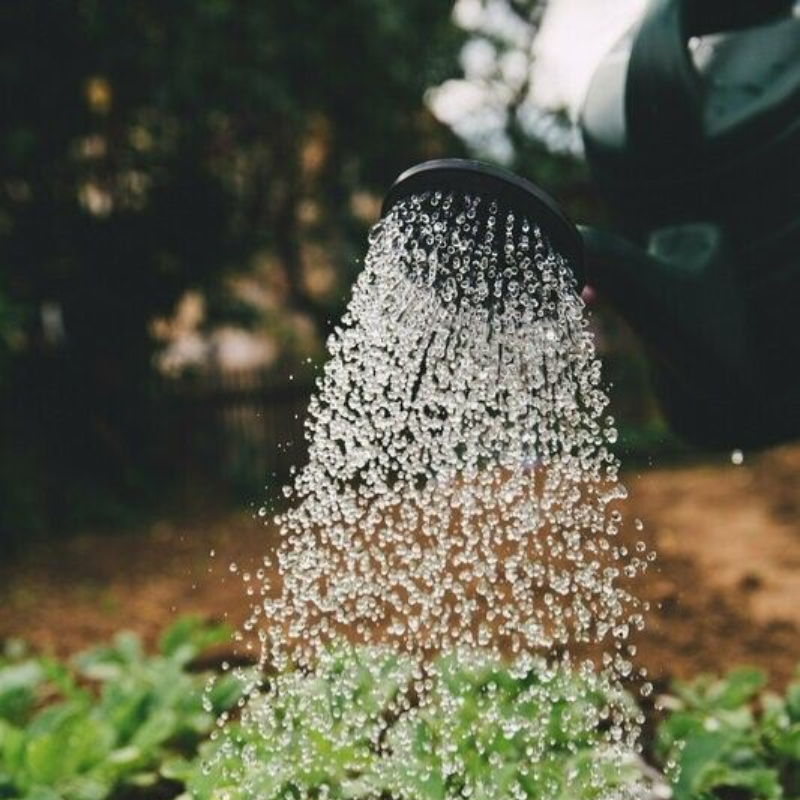
A soil drench is a liquid application poured or applied directly onto the soil around an established plant's root zone, as opposed to being sprayed on leaves or placed in the furrow at planting. It's the go-to method for delivering biology to plants that are already growing.

Why It Matters
Most plants spend the majority of their life already growing, well past the germination or planting stage where in-furrow application applies. A soil drench is the practical, ongoing way to keep feeding soil biology and nutrients to a plant throughout that longer growth period.
How It Works
Liquid product, whether worm extract, compost tea, or another biological liquid, is poured or applied directly onto the soil surface around a plant's base, where it moves down into the root zone. Applying enough to moisten the area without waterlogging it lets the liquid reach roots effectively.
Benefits
- Delivers biology directly to the root zone
- Works for plants at any growth stage
- Requires no specialized equipment
- Builds ongoing soil biology over repeated applications
Getting the Most From a Soil Drench
Timing, volume, and product choice all affect how much benefit a drench delivers.
Choose the Right Liquid
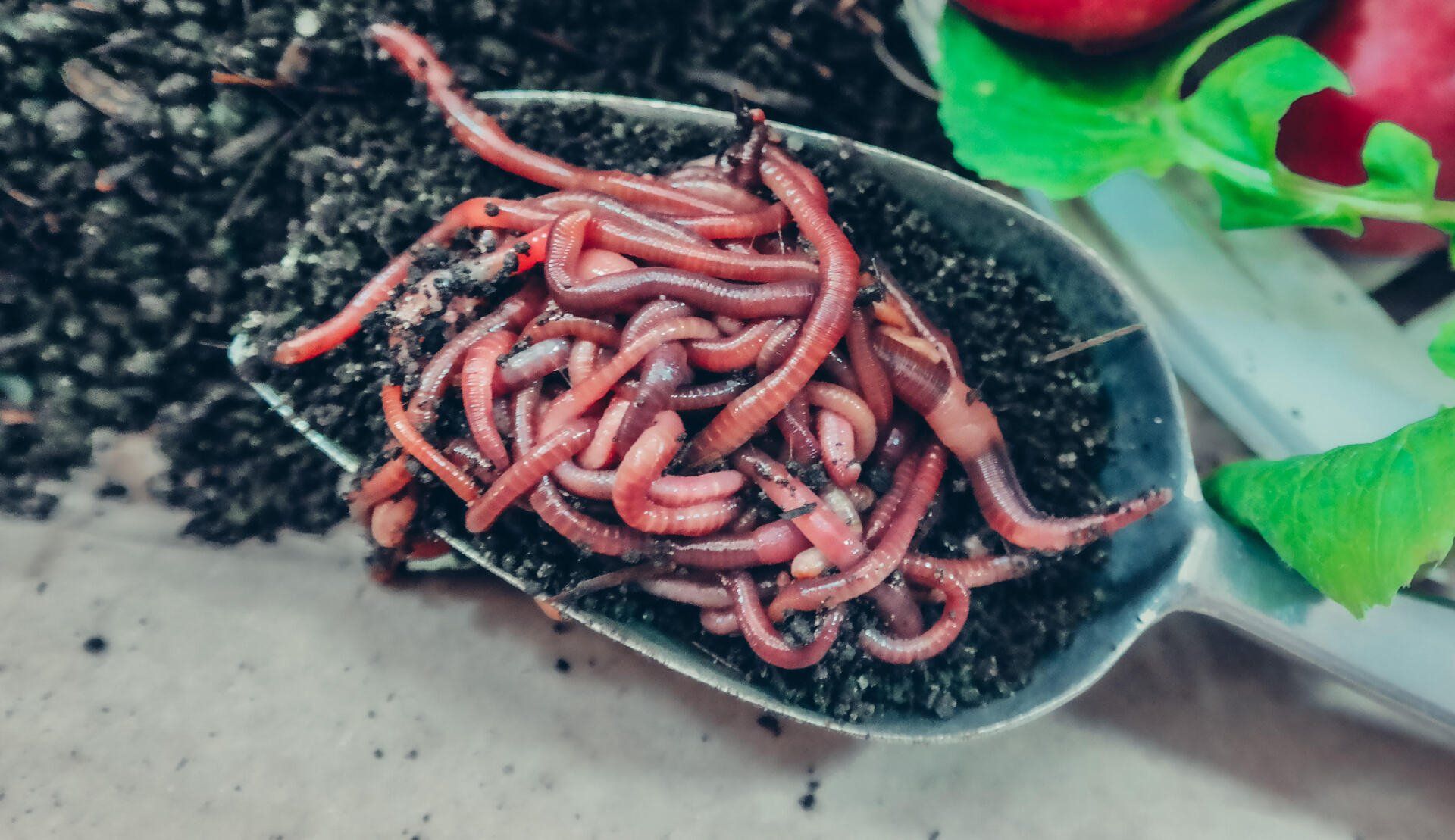
Worm extract, worm tea, and compost tea all work well as a soil drench, delivering microbes and nutrients directly to the root zone.
Apply Repeatedly Over the Season
Many biological drenches work best applied every few weeks during active growth, building soil biology gradually rather than in one dose.
Avoid Oversaturating Soil
Too much liquid pushes out oxygen and creates anaerobic conditions, working against the biology the drench was meant to support.
Target the Root Zone Specifically
Applying around the base of the plant, where roots are actually active, delivers the liquid where it can do the most good.
Soil Drench vs. Foliar Spray
Both deliver liquid product, but through very different pathways and on very different timelines.
| Soil Drench | Foliar Spray | |
|---|---|---|
| Entry point | Through roots after soil uptake | Directly through the leaf surface |
| Response speed | Days, depending on soil conditions | Hours |
| Builds lasting soil biology? | Yes, over time | No, more of a leaf-level boost |
| Best timing | Anytime during active growth | Early morning or evening for best absorption |
| Best use | Ongoing soil biology and fertility | Fast correction, supplementing other inputs |
Common Mistakes to Avoid
Soil drench mistakes often come from overdoing a good thing.
Frequently Asked Questions
What is a soil drench? +
What products are commonly applied as a soil drench? +
How is a soil drench different from a foliar spray? +
How often should a soil drench be applied? +
Can I apply too much liquid as a soil drench? +
Is a soil drench the same as watering a plant? +
Can a soil drench be applied in-furrow at planting instead? +
Worm extract and compost tea both work well as a soil drench, delivering beneficial microbes directly to an established plant's active root zone.