Humus
Definition
Humus is the stable, dark-colored organic matter that forms in soil as microorganisms break down plant and animal materials. It is the end product of decomposition and represents the most beneficial form of organic matter in soil.

Organic matter is the broad category; humus is the specific end product. Fresh residue, actively decomposing material, and fully stabilized humus are all "organic matter," but only the last stage, after microorganisms have processed it as far as it will go, is technically humus. Humus is what remains once the easily decomposed parts are gone.
Sources: University of Vermont Extension, University of Georgia Extension (C1299)
Why It Matters
Humus is a cornerstone of soil fertility. It improves water retention, increases CEC, provides slow-release nutrients, and supports diverse microbial life. Soils rich in humus are fundamentally more productive.
How It Works
As organic materials decompose, they are processed by bacteria, fungi, and larger organisms. The final humus compounds are highly stable molecular structures that resist further breakdown, locking carbon and nutrients in place for a century or more.
Benefits
- Long-term soil fertility improvement
- Enhanced water-holding capacity
- Carbon sequestration
- Improved soil structure
- Supports microbial diversity
Sources: Food and Agriculture Organization (FAO), USDA NRCS, via University of Hawaii CTAHR, University of Georgia Extension (C1299)
How to Build Humus-Rich Soil
You can't apply humus directly, but you can consistently feed the process that creates it.
Add Humus-Rich Amendments
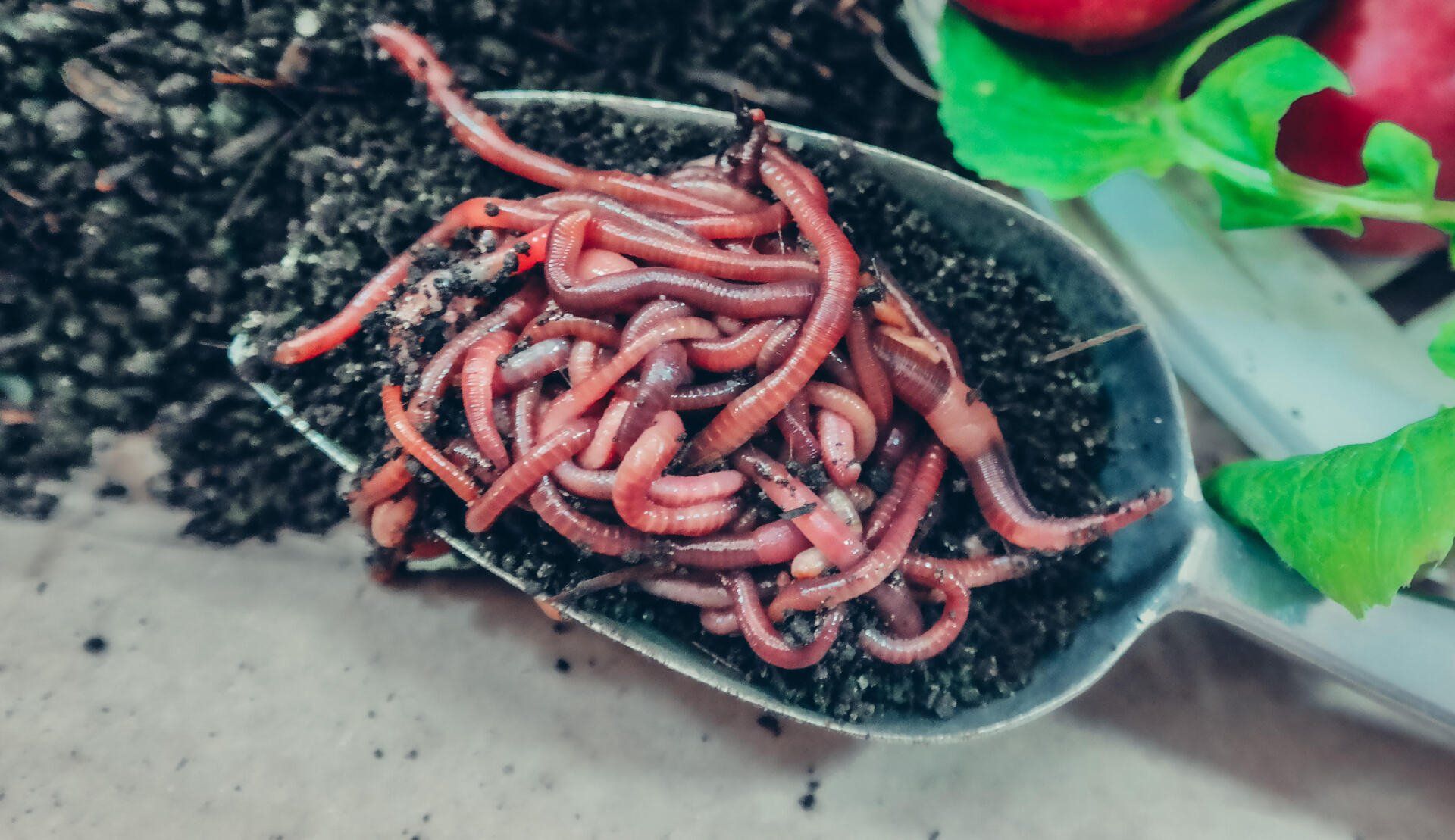
Worm castings and finished compost are already partway to humus, since the digestive and decomposition process has done much of the transformation work already.
Keep Organic Inputs Steady
Humus forms from the ongoing supply of organic matter feeding soil biology. A one-time addition doesn't sustain the process the way consistent inputs do.
Minimize Disturbance
Tillage speeds up the breakdown of existing humus by exposing it to oxygen. Reduced disturbance helps humus accumulate rather than deplete.
Think in Years, Not Seasons
Because humus is the most stable, slowest-forming fraction of organic matter, building meaningful humus content is a multi-year commitment.
Sources: University of Georgia Extension (C1299), USDA NRCS, via University of Hawaii CTAHR, USDA NRCS Illinois (Soil Tech Note 13A)
Humus vs. Fresh Organic Matter vs. Peat
All three are carbon-rich, but they differ a lot in stability and what they actually do in soil.
| Humus | Fresh Organic Matter | Peat | |
|---|---|---|---|
| Formation | Microbial decomposition in aerobic soil conditions | Recently added, not yet processed | Accumulated plant material in waterlogged, low-oxygen conditions |
| Stability | Highly stable, can resist breakdown for centuries | Unstable, changes rapidly | Very stable, can persist for centuries in the right conditions |
| Biological activity | Supports diverse, active soil biology | Feeds initial microbial activity | Decomposes slowly once added to soil |
| Nutrient content | Rich in humic and fulvic acids, slow-release nutrients | Variable, depends on the material | Low in available nutrients |
| Best for | Long-term soil fertility and structure | Short-term biological and nutrient supply | Moisture retention and acidity adjustment, not fertility |
Sources: University of Vermont Extension, USDA NRCS Illinois (Soil Tech Note 13A), Michigan State University Extension (E-516), Food and Agriculture Organization (FAO), peat soils
Common Mistakes to Avoid
Humus is easy to conflate with organic matter in general, which leads to a few common misunderstandings.
Sources: University of Georgia Extension (C1299), USDA NRCS Illinois (Soil Tech Note 13A), University of Vermont Extension
Frequently Asked Questions
What is humus? +
How is humus different from regular organic matter? +
How long does humus last in soil? +
What are humic and fulvic acids? +
Can I add humus directly to my soil? +
Why are worm castings considered high in humic substances? +
Does humus affect soil color? +
How is humus different from organic matter generally? +
Worm castings are exceptionally high in humic and fulvic acids, the key compounds in humus that make nutrients bioavailable and improve soil structure simultaneously.