In-Furrow Application
Definition
In-furrow application places liquid product directly in or right alongside the seed furrow at planting, delivering biology or nutrients to exactly the spot where a seedling's earliest, most vulnerable roots will first develop, rather than broadcasting it more generally across the field.

Why It Matters
The earliest days after germination are a critical window for a seedling's development, and roots reach only a small area at first. In-furrow application concentrates product exactly where those first roots are, rather than spreading it thinly across ground the roots may not reach for weeks, making far more efficient use of limited product.
How It Works
In-furrow application typically runs through a seed drill or planter equipped with liquid delivery lines and nozzles positioned to release product into the open furrow as the seed is placed, all in a single pass. This puts liquid biology or nutrients in direct contact with the seed and the root zone it will develop into.
Benefits
- Concentrated delivery to the earliest root zone
- More efficient use of limited product volume
- Single-pass efficiency at planting
- Supports strong early root establishment
Using In-Furrow Application Well
Correct calibration and product choice matter as much as the concept itself.
Choose the Right Product
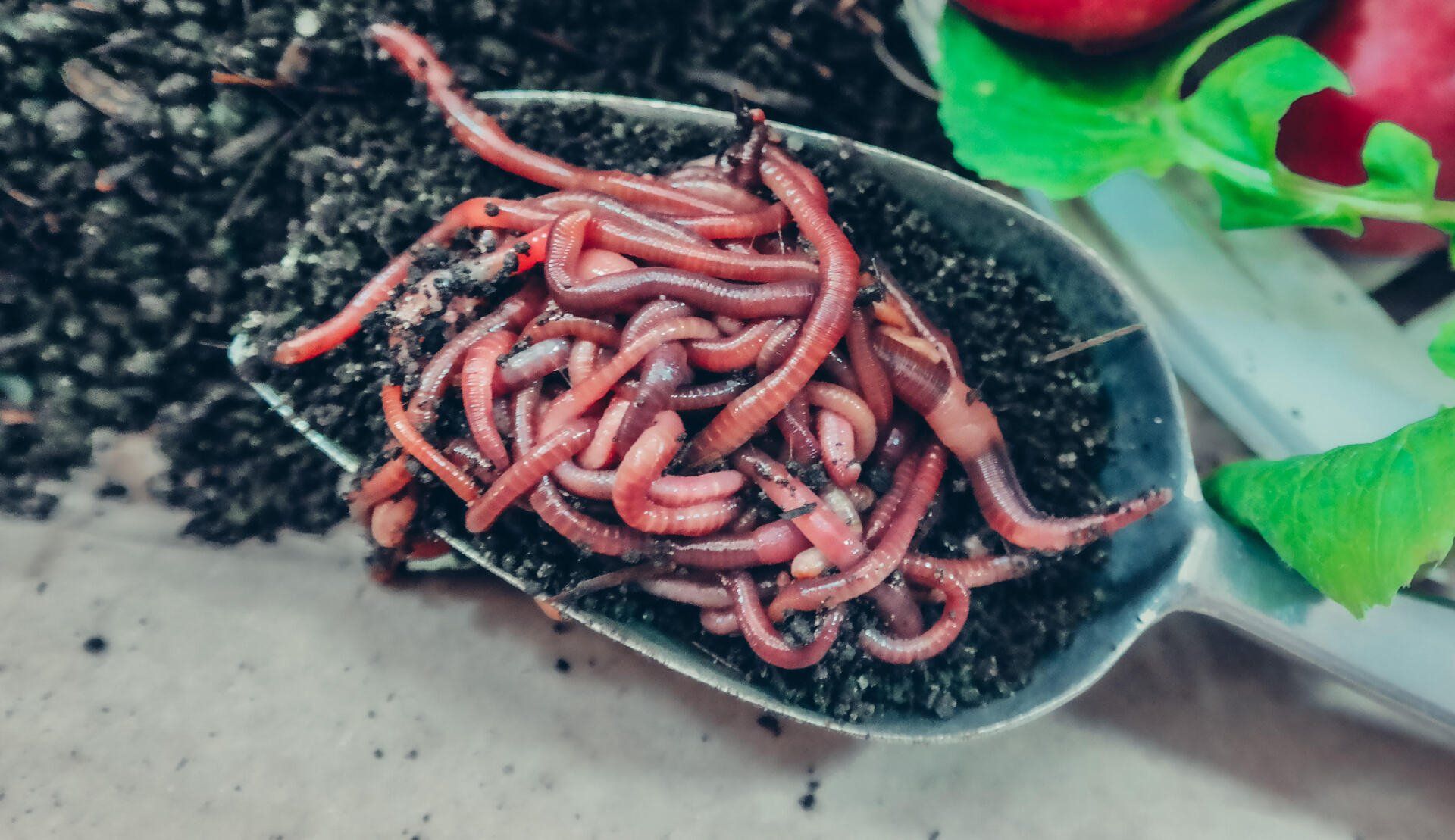
Liquid biological products like worm extract or compost extract, starter fertilizers, and inoculants are all suited to in-furrow application.
Calibrate Equipment Carefully
Inconsistent calibration leads to uneven rates across a field. Regular calibration checks keep application consistent row to row.
Watch Product Concentration
Too concentrated a product placed directly against seed can cause salt injury or burn. Follow dilution guidance for in-furrow use specifically.
Replicate the Principle at Small Scale
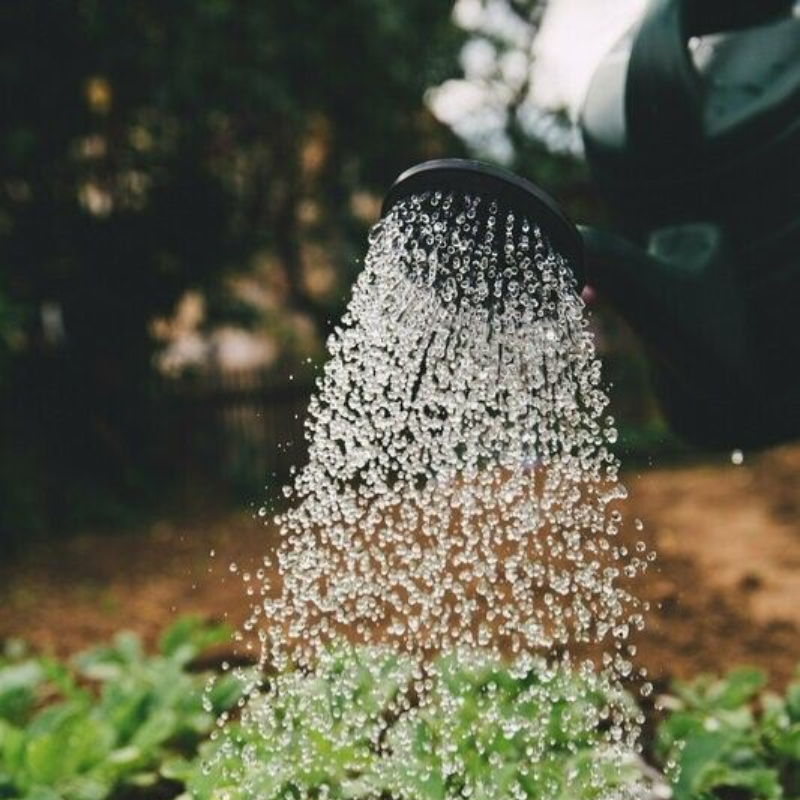
Without dedicated equipment, watering seed rows with a diluted liquid biological product at planting achieves a similar targeted effect.
In-Furrow Application vs. Soil Drench
Both deliver liquid product to soil, but at very different points in a plant's life.
| In-Furrow Application | Soil Drench | |
|---|---|---|
| Timing | At planting, with the seed | Later, around an established plant |
| Target | Seed and earliest root zone | Existing root zone of a growing plant |
| Equipment | Seed drill or planter with liquid lines | Watering can, hose, or drench equipment |
| Scale | Typically field or row-crop scale | Any scale, from single plants to fields |
| Best use | Giving new seedlings a strong start | Supporting or correcting an already-growing plant |
Common Mistakes to Avoid
In-furrow application rewards precision, since problems here happen right at the seed.
Frequently Asked Questions
What is in-furrow application? +
Why apply in-furrow instead of broadcasting across the field? +
What equipment does in-furrow application use? +
What products are commonly applied in-furrow? +
How is in-furrow application different from a soil drench? +
Can in-furrow application cause problems if not calibrated correctly? +
Is in-furrow application worth it for a small home garden? +
The in-furrow principle, targeted delivery to the seed's earliest root zone, works just as well at garden scale as it does with dedicated field equipment.