Nitrogen Fixation

NY-truh-jen fik-SAY-shun
🍄 Soil Biology & Microbiology

Definition

Nitrogen fixation is the biological process by which certain bacteria convert atmospheric nitrogen gas (N₂) into ammonia (NH₃), which plants can use as a nutrient. It is the primary natural mechanism for adding biologically available nitrogen to soil.

Legume roots with nodules, with close-ups of bacteria converting N2 from the air into ammonia and free-living nitrogen-fixing bacteria in the soil
Specialized bacteria, both symbiotic and free-living, break nitrogen's strong triple bond, converting it into a form plants can actually use. — Source: Fed 'n Happy (original illustration)
Quick Facts
Real figures from soil microbiology research on the nitrogen fixation process.
~78%
Of Earth's atmosphere is nitrogen gas, unusable by plants directly
~1,300
Leguminous plant species worldwide capable of nodulation

Sources: Food and Agriculture Organization (FAO), Frontiers in Microbiology

Why It Matters

Despite nitrogen making up 78% of the atmosphere, plants cannot use it in gas form. Nitrogen fixation bridges this gap, allowing natural ecosystems to maintain fertility without external inputs.

How It Works

Free-living bacteria (Azotobacter, Clostridium) and symbiotic bacteria (Rhizobium in legume root nodules) use the enzyme nitrogenase to break the strong triple bond in N₂ and bind it with hydrogen to form usable ammonia.

Benefits

  • Free nitrogen input from the atmosphere
  • Reduces synthetic nitrogen requirements
  • Builds long-term soil fertility
  • Most effective in diverse, biologically active soils

Sources: NCBI/PMC, Food and Agriculture Organization (FAO)

How to Encourage Nitrogen Fixation

Both symbiotic and free-living pathways respond to management practices.

Plant Legume Cover Crops

Clover, vetch, and other legumes form nodules with Rhizobium bacteria, adding fixed nitrogen to soil even outside a main cash crop rotation.

Reduce Excessive Synthetic Nitrogen

Heavy synthetic nitrogen use can reduce a plant's reliance on nitrogen-fixing partners, since fixation is metabolically costly and less necessary when nitrogen is already abundant.

Add Biologically Active Amendments

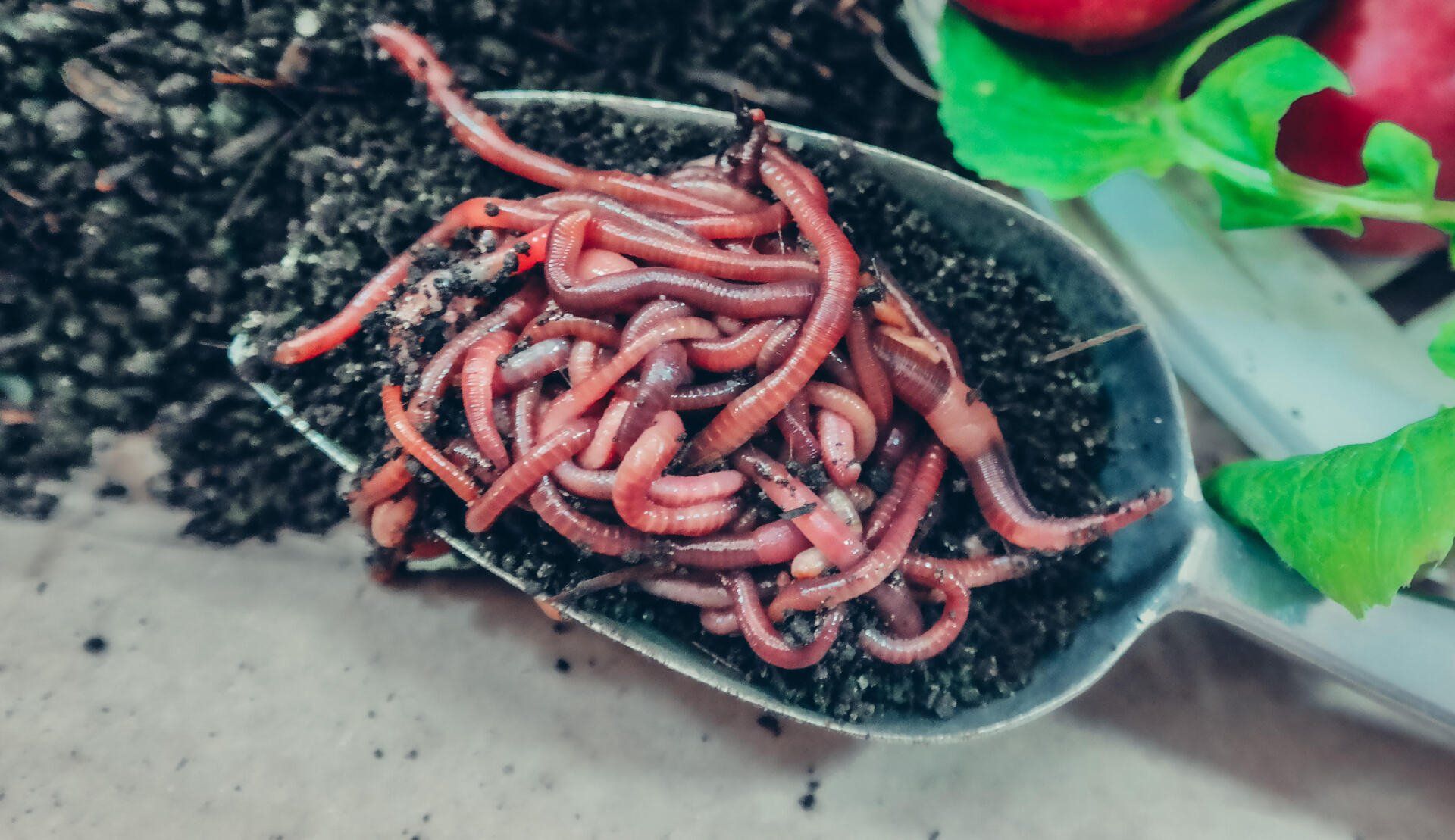
Worm castings and compost can introduce and support both symbiotic and free-living nitrogen-fixing bacterial populations.

Support Diverse Soil Biology Generally

Nitrogen fixation works best in diverse, biologically active soils, not in isolation, so overall soil health practices support the process indirectly.

Sources: Frontiers in Microbiology, NCBI/PMC

Symbiotic vs. Free-Living Nitrogen Fixation

Both pathways convert atmospheric nitrogen into usable ammonia, but they work in fundamentally different ways.

Symbiotic (Rhizobium) Free-Living (Azotobacter, Clostridium)
Where it happens Inside root nodules on legume plants Independently throughout the soil
Plant partner required? Yes, specifically legumes No, works without a specific host plant
Energy source Sugars supplied directly by the host plant Organic matter and other soil carbon sources
Typical fixation rate Generally higher, due to the direct energy supply Generally lower, but present across a wider range of soils
Best for Legume-based crop rotations and cover cropping Ongoing, background nitrogen input across any soil

Sources: Food and Agriculture Organization (FAO), Frontiers in Microbiology

Common Mistakes to Avoid

Nitrogen fixation is a genuine biological process, but it's easy to misunderstand how much it can actually provide.

Assuming any nitrogen-fixing product replaces fertilizer entirely
Biological fixation can meaningfully supplement or reduce synthetic nitrogen needs, but expecting it to fully replace fertilizer in every system oversells what the process reliably delivers.
Overapplying synthetic nitrogen alongside legumes
Heavy synthetic nitrogen reduces a legume's incentive to invest in nodulation, since fixation is metabolically costly and less necessary when nitrogen is already abundant.
Assuming inoculating with rhizobia works for any crop
Rhizobium-legume relationships are often species-specific. The right rhizobial strain matters for successful nodulation, not just any inoculant.
Ignoring free-living fixation as a contributor
Nitrogen fixation isn't limited to legumes and nodules. Free-living bacteria contribute meaningfully across cropland generally, even without a specific plant partnership.

Sources: Frontiers in Microbiology, Food and Agriculture Organization (FAO)

Frequently Asked Questions

What is nitrogen fixation? +
Nitrogen fixation is the biological process by which certain bacteria convert atmospheric nitrogen gas (N2) into ammonia (NH3), which plants can use as a nutrient. It is the primary natural mechanism for adding biologically available nitrogen to soil.
Why can't plants use nitrogen directly from the air? +
Despite nitrogen making up about 78% of the atmosphere, it exists there as N2 gas, held together by an extremely strong triple bond that plants cannot break on their own. Only specialized bacteria with the enzyme nitrogenase can break that bond and convert it into a usable form.
What's the difference between symbiotic and free-living nitrogen-fixing bacteria? +
Symbiotic bacteria, like Rhizobium, live inside root nodules on legumes, trading fixed nitrogen for sugars from the plant. Free-living bacteria, like Azotobacter and Clostridium, fix nitrogen independently in soil without needing a specific plant partner.
What is a root nodule? +
A root nodule is a specialized structure that forms on legume roots when Rhizobium bacteria infect the root hairs. Inside the nodule, the bacteria convert atmospheric nitrogen into ammonia, and a pigment called leghemoglobin protects the oxygen-sensitive nitrogenase enzyme that makes it possible.
How much nitrogen can biological fixation actually provide? +
It varies widely by system, but biologically fixed nitrogen has historically been a major input source in agricultural systems, particularly legume-based ones, and can meaningfully reduce or substitute for synthetic nitrogen fertilizer in the right conditions.
Do worm castings contain nitrogen-fixing bacteria? +
Research has documented nitrogen-fixing bacterial populations in worm castings, which can establish in soil after application, providing a continuous low-level nitrogen input beyond the immediate nutrients already present in the castings themselves.
Can I encourage more nitrogen fixation in my soil? +
Planting legumes as cover crops, reducing excessive synthetic nitrogen fertilizer use, and adding biologically active amendments like worm castings all support nitrogen-fixing bacterial populations, whether symbiotic or free-living.
How does nitrogen fixation relate to the nitrogen cycle overall? +
Nitrogen fixation is the first step of the broader nitrogen cycle, converting atmospheric nitrogen gas into a usable form. The nitrogen cycle also includes ammonification, nitrification, assimilation, and denitrification, the additional steps that move nitrogen through soil and back to the atmosphere.
Fed 'n Happy Insight

Worm castings contain nitrogen-fixing bacterial populations that establish in soil after application, providing a continuous low-level nitrogen input beyond the immediate nutrients in the castings themselves.