Nutrient Use Efficiency
Definition
Nutrient use efficiency (NUE) measures how much of an applied nutrient a plant actually absorbs and uses, versus how much is lost to the environment through leaching, runoff, or volatilization. Higher NUE means less waste, lower input costs, and reduced environmental impact per unit of yield.

Sources: Nature Food (2021), Zhang et al., Frontiers in Sustainable Food Systems (2021), Udvardi et al., NCBI/PMC
Why It Matters
Low nutrient use efficiency means wasted money on fertilizer that never benefits the plant, plus real environmental costs from nutrients that end up in waterways or the atmosphere instead. Improving NUE is one of the highest-leverage ways to get more benefit from the same or fewer inputs.
How It Works
Nutrients are lost through several pathways: volatilization (escaping as gas), leaching (washing down past the root zone), surface runoff, and denitrification. Biologically active, well-structured soil slows these losses, holding nutrients in forms plants can access gradually rather than losing them quickly.
Benefits of Improved NUE
- Lower fertilizer input costs
- Reduced nutrient runoff and pollution
- More consistent nutrient availability
- Better long-term soil fertility
How to Improve Nutrient Use Efficiency
Timing, form, and soil biology all play a role in how much of an applied nutrient actually gets used.
Apply in Smaller, More Frequent Doses
Matching application timing to plant demand reduces the window nutrients have to leach or volatilize before being absorbed.
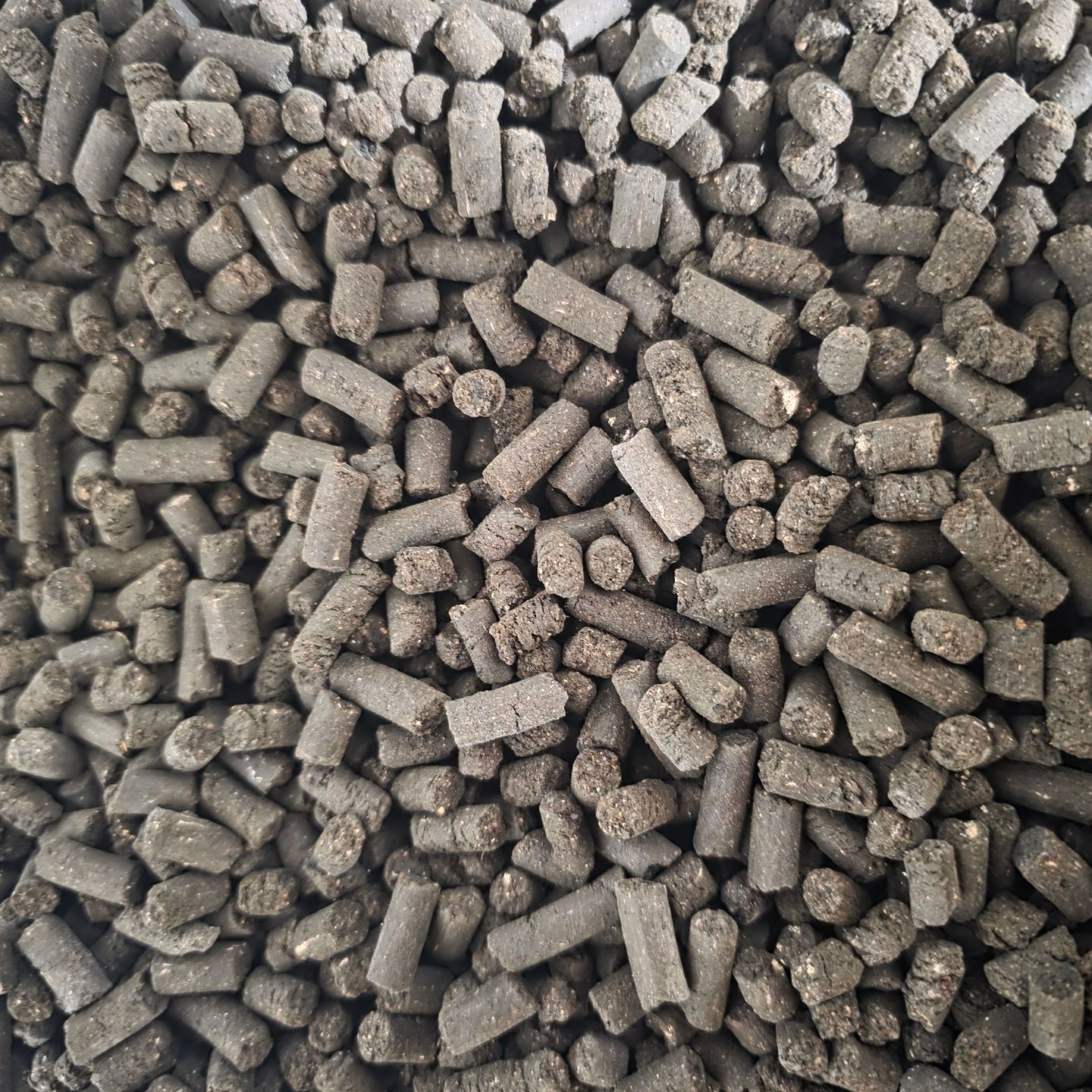
Use Slow-Release Organic Sources
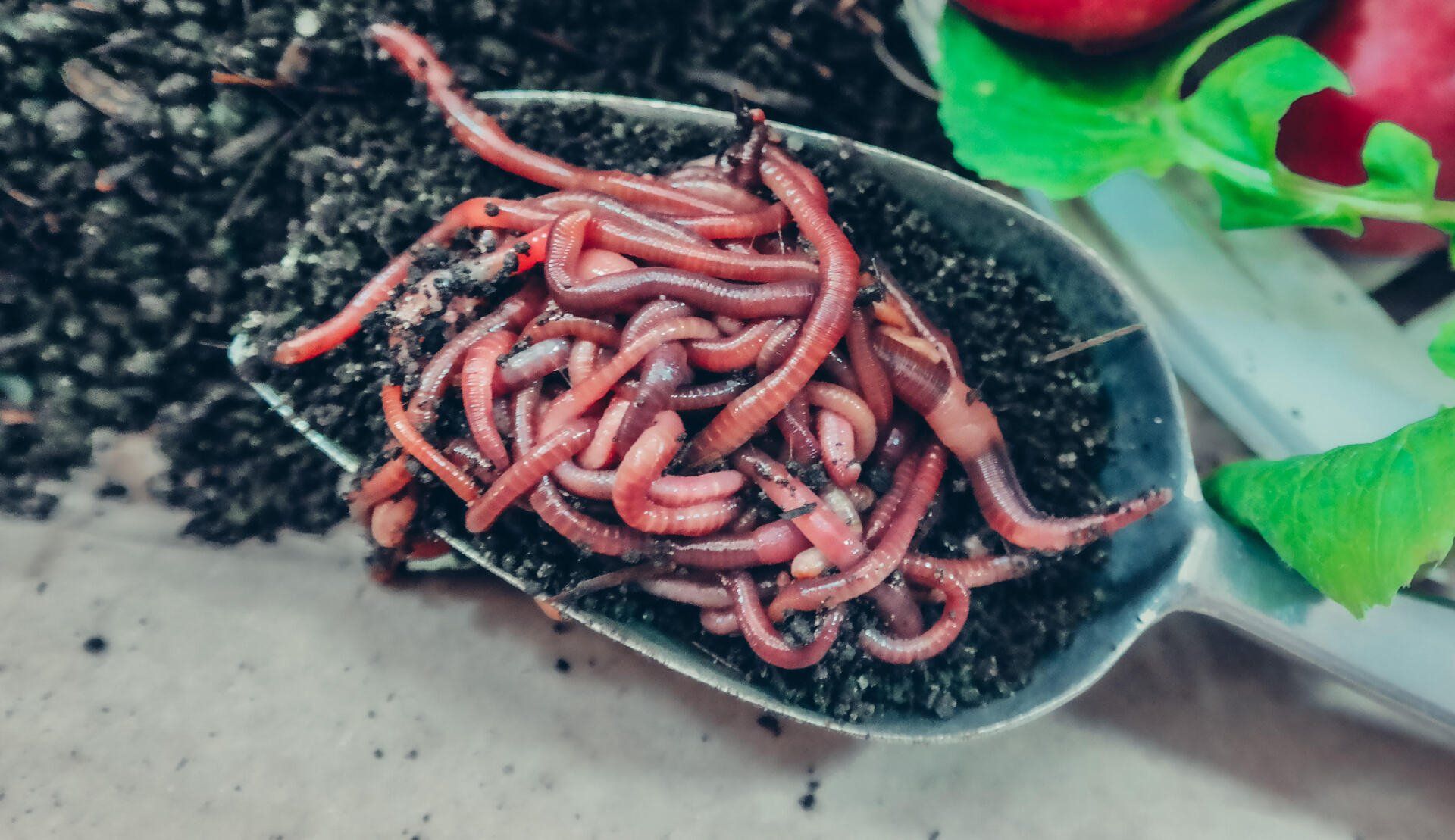
Worm castings release nutrients gradually, reducing the losses associated with a large single dose of synthetic fertilizer.
Build Biologically Active Soil
Diverse microbial communities help hold nutrients in accessible forms rather than letting them wash away or escape as gas.
Avoid Overapplication
Research shows yield gains per unit of fertilizer shrink at higher application rates, since the last portions applied are the most likely to be lost rather than used.
Sources: Frontiers in Plant Science
High NUE vs. Low NUE Systems
The same nutrient input performs very differently depending on how much of it actually reaches the plant.
| High NUE System | Low NUE System | |
|---|---|---|
| Nutrient loss to environment | Minimal, most applied nutrients reach the plant | Substantial, often 50% or more lost |
| Application approach | Smaller, timed doses matched to plant demand | Large single doses regardless of demand |
| Nutrient source | Often includes slow-release organic sources | Primarily fast-release synthetic fertilizer |
| Soil biology | Active, holds nutrients in accessible forms | Often depleted, fewer nutrient-holding mechanisms |
| Cost efficiency | More yield per dollar of input | More waste per dollar of input |
Common Mistakes to Avoid
Low NUE often goes unnoticed since it shows up as wasted input rather than an obvious problem.
Sources: Frontiers in Sustainable Food Systems (2021), Udvardi et al., Penn State Extension, Purdue University (Corn N rate)
Frequently Asked Questions
What is nutrient use efficiency? +
How efficient is typical nitrogen fertilizer use? +
Why is nutrient use efficiency lower for some crops than others? +
What causes nutrient losses that lower NUE? +
How does soil biology affect nutrient use efficiency? +
How can I improve nutrient use efficiency in my own soil? +
Do worm castings improve nutrient use efficiency? +
How does nutrient use efficiency relate to water use efficiency? +
Worm castings release nutrients gradually rather than all at once, reducing the leaching and volatilization losses that come with a large single dose of synthetic fertilizer.