Bioavailability
Definition
Bioavailability refers to the proportion of a nutrient that is in a chemical form that plants can actually absorb and use. A nutrient may be present in soil but locked in an unavailable form, making bioavailability the critical factor in real-world plant nutrition.

Cultivated soil in the Everglades Agricultural Area measured up to 1,227 parts per million of total phosphorus, but only about 1.3 ppm of that was bioavailable, roughly 0.1% of the total. Phosphorus deficiency there wasn't a lack of phosphorus in the soil, it was a lack of phosphorus in a form plant roots could actually use.
Sources: University of Florida IFAS Extension
Why It Matters
Conventional fertilizers often have poor bioavailability, they contain nutrients but in forms that plants struggle to absorb, especially in less-than-ideal soil conditions. This leads to waste, runoff, and poor plant response despite apparent nutrient abundance.
How It Works
Bioavailability is affected by pH (some nutrients are only soluble in certain pH ranges), microbial activity (microbes transform nutrients into usable forms), and chelation (organic compounds that keep minerals in solution near roots).
Benefits of Improving Bioavailability
- Less waste than relying on synthetic fertilizers alone
- Nutrients released closer to the plant's actual pace of uptake
- Lower risk of over-fertilization or nutrient burn
Sources: NCBI/PMC, Colorado State University Extension (PlantTalk), LSU AgCenter
How to Improve Nutrient Bioavailability
Bioavailability responds to biology and pH working together, not fertilizer volume alone.
Test and Manage Soil pH
Most macro- and micronutrients are most available in the roughly pH 6.0–7.5 range. Outside that window, nutrients can lock up even when present in adequate amounts.
Support Soil Microbial Life
Microbes transform locked-up minerals into plant-available forms through organic acids, enzymes, and other mechanisms. Building organic matter feeds that process.
Use Biologically Processed Amendments
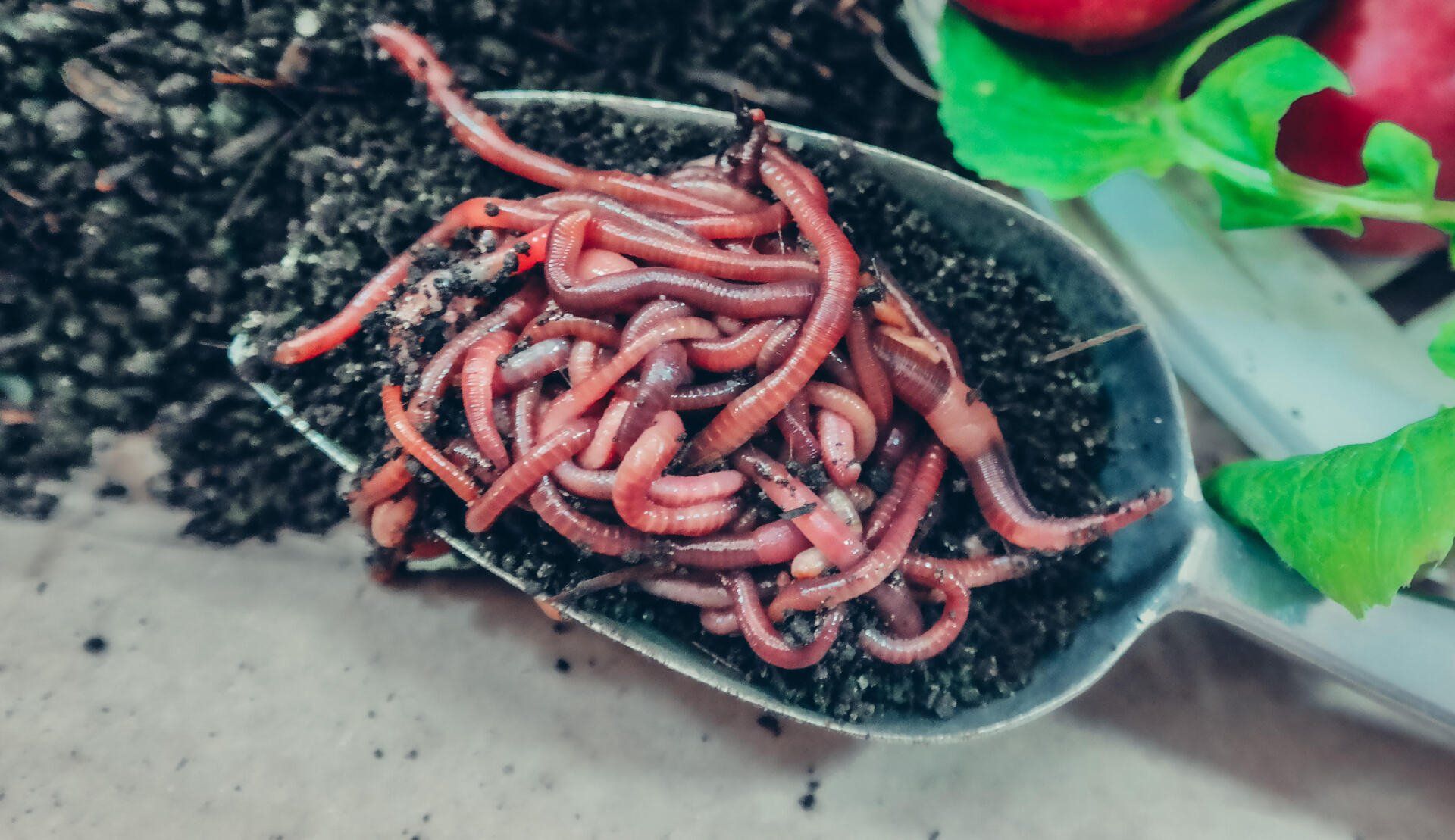
Worm castings and compost carry nutrients already partly transformed by digestion and microbial activity, arriving in a more available form than raw material.
Don't Rely on Total Nutrient Numbers Alone
A soil test showing high total nutrient content doesn't guarantee availability. Bioavailability, not total presence, is what actually reaches plant roots.
Sources: University of Florida IFAS Extension, NCBI/PMC
Worm Castings vs. Raw Organic Material vs. Synthetic Fertilizer
All three can supply nutrients — how bioavailable those nutrients are once applied differs a lot.
| Worm Castings | Raw Organic Material | Synthetic Fertilizer | |
|---|---|---|---|
| Nutrient form | Partly transformed via digestion, more chelated | Largely unprocessed, requires microbial breakdown first | Concentrated but not always in immediately usable forms |
| Release pattern | Gradual, closer to plant uptake pace | Slow, depends on decomposition rate | Can be fast, sometimes faster than roots can use |
| Waste/runoff risk | Lower, released as needed | Lower, but availability is inconsistent | Higher when nutrients outpace plant uptake |
| pH sensitivity | Works across a wider pH range | Depends heavily on existing soil biology | Availability can be strongly pH-dependent |
| Best for | Steady, biologically available nutrition | Long-term soil building where speed isn't critical | Fast, targeted correction of a specific deficiency |
Sources: University of Florida IFAS Extension, NCBI/PMC
Common Mistakes to Avoid
Bioavailability is easy to overlook when a soil test only reports total nutrient levels.
Sources: University of Florida IFAS Extension, NC State Extension, University of Wisconsin-Madison Extension
Frequently Asked Questions
What is bioavailability? +
Can a nutrient be present in soil but not usable by plants? +
What factors affect nutrient bioavailability? +
What pH range is best for nutrient bioavailability? +
Why do conventional fertilizers sometimes underperform despite high nutrient content? +
How do worm castings affect bioavailability? +
Can I improve bioavailability without changing soil pH? +
How does bioavailability relate to CEC? +
The digestive process behind worm castings converts raw organic compounds into more chelated, plant-available forms — part of why castings tend to outperform an equal amount of raw, unprocessed material.