Cation Exchange Capacity (CEC)

KAT-eye-on ex-CHANGE kuh-PASS-ih-tee
🔬 Soil Health

Definition

Cation Exchange Capacity (CEC) is a measure of a soil's ability to hold and exchange positively charged nutrient ions (cations) such as calcium, magnesium, and potassium. Soils with higher CEC retain more nutrients and make them available to plants over time.

Soil cutaway showing negatively charged clay and humus holding calcium, magnesium, potassium and ammonium cations that a root hair exchanges, compared with low-CEC sandy soil
Clay particles and organic matter carry negative charges that attract and hold cations, forming the basis of a soil's cation exchange capacity. — Source: Fed 'n Happy (original illustration)
Quick Facts (Typical CEC Ranges)
General published figures from soil science research, in meq/100g. Actual values require a lab test.
<5
Sandy soil, low organic matter
5–25
Most agricultural soils
>25
Heavy clay or highly organic soils
250–400
Well-humified organic matter itself

Sources: Cornell Nutrient Management Spear Program, Ohio State CFAES

Why It Matters

CEC directly influences fertilizer efficiency and nutrient availability. Low-CEC soils lose nutrients rapidly through leaching, while high-CEC soils act as nutrient reservoirs.

How It Works

Clay particles and organic matter carry negative charges that attract and hold cations. When plant roots release hydrogen ions, they displace cations from soil particles, making them available for uptake.

Benefits of Higher CEC

  • Reduces nutrient leaching
  • Improves fertilizer efficiency
  • Supports long-term soil fertility
  • Buffers pH fluctuations

Sources: University of Georgia Extension (C1040)

How to Improve Soil CEC

Some factors affecting CEC are fixed, but organic matter content is genuinely something you can build up over time.

Add Organic Matter

Compost, worm castings, and other organic amendments add organic matter, which has a high CEC (roughly 200–400 meq/100g), directly boosting the soil's overall exchange capacity.

Add Biochar

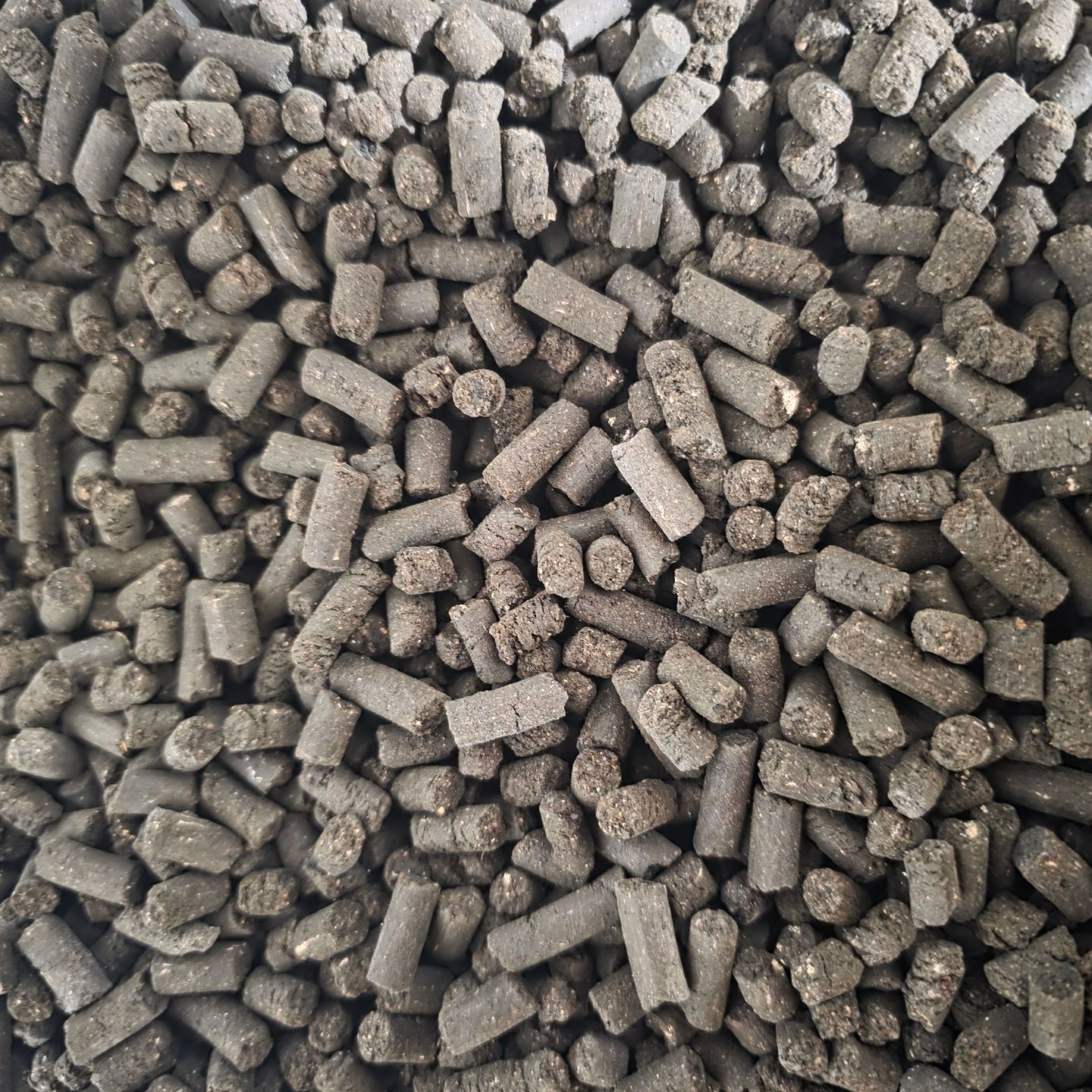
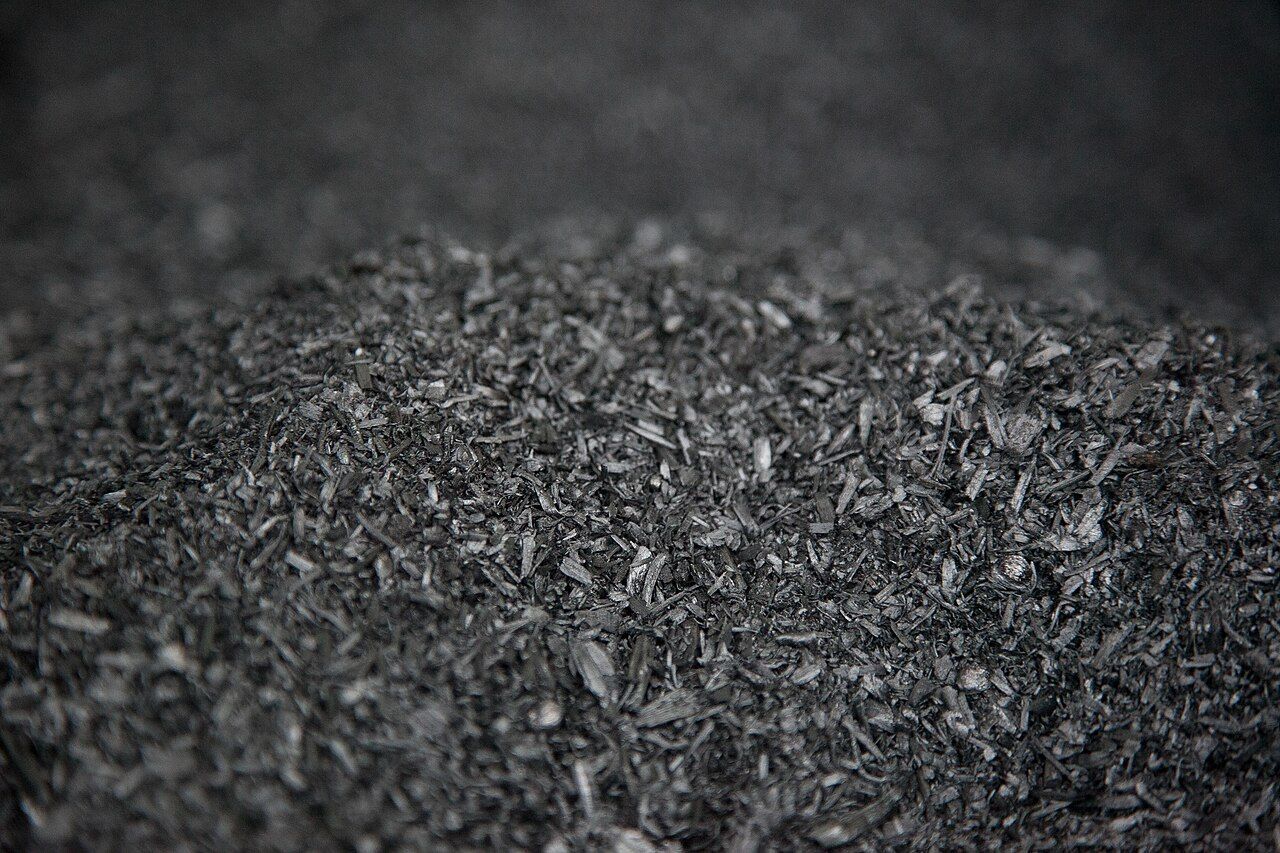
Biochar's porous structure and high surface area contribute meaningfully to CEC, and unlike organic matter, it persists in soil for a very long time.

Test Before You Amend

A lab soil test tells you your actual starting CEC, avoiding guesswork about how much organic matter or amendment your soil actually needs.

Expect a Multi-Season Process

Unlike clay content, which is essentially fixed, organic-matter-driven CEC improvements build gradually over years, not overnight.

Worth knowing: CEC alone doesn't guarantee good plant nutrition — it's one useful measurement among several, not the whole picture of soil health.

Sources: University of Georgia Extension (C1040), USDA NRCS Illinois (Soil Tech Note 15A), Cornell University (Lehmann Lab)

Worm Castings vs. Regular Compost vs. Sandy Soil (Baseline)

All three illustrate how much organic matter content changes a material's exchange capacity.

Worm Castings Regular Compost Sandy Soil (Baseline)
Typical CEC contribution Reported higher than regular compost in some published comparisons Moderate, varies by maturity and feedstock Very low — under 5 meq/100g on its own
What drives it Humus compounds from the worm digestive process Organic matter breakdown, less concentrated Minimal clay and organic matter content
Consistency Varies by batch, but starts from a higher baseline Varies by source material and maturity Consistently low without amendment
Best for Boosting CEC efficiently in smaller amounts Bulk organic matter and soil building A baseline that benefits significantly from added organic matter

Sources: University of Georgia Extension (C1040), Norwegian University of Life Sciences (2016 thesis)

Common Mistakes to Avoid

CEC is a genuinely useful measurement, but it's often misunderstood or misused on its own.

Confusing CEC with pH
CEC measures nutrient-holding capacity; pH measures acidity/alkalinity. They interact, but they're different properties that need separate management.
Expecting a single amendment to fix CEC overnight
Organic-matter-driven CEC improvements build gradually over seasons, not from a single application. Clay content, the other major driver, is essentially fixed.
Treating CEC as the only measure of soil quality
A high-CEC soil can still be poorly balanced or have locked-up nutrients. CEC is one useful data point, not a complete soil health picture on its own.
Citing a single "X times higher" CEC number as universal fact
Published comparisons of castings vs. compost CEC vary by feedstock, measurement method, and units. Treat any single multiplier as illustrative, not a fixed law.

Sources: Ohio State CFAES, University of Georgia Extension (C1040), USDA NRCS Illinois (Soil Tech Note 15A)

Frequently Asked Questions

What is Cation Exchange Capacity (CEC)? +
Cation Exchange Capacity (CEC) is a measure of a soil's ability to hold and exchange positively charged nutrient ions (cations) such as calcium, magnesium, and potassium. Soils with higher CEC retain more nutrients and make them available to plants over time.
Why does CEC matter for a garden or farm? +
CEC directly influences fertilizer efficiency and nutrient availability. Low-CEC soils lose nutrients rapidly through leaching, while high-CEC soils act as nutrient reservoirs, holding onto fertility rather than letting it wash away.
What's a typical CEC range for soil? +
Sandy soils low in organic matter typically measure below 5 meq/100g, while heavy clay or highly organic soils can exceed 20-25 meq/100g. Most agricultural soils fall somewhere between 5 and 25 meq/100g.
Do worm castings really increase CEC compared to regular compost? +
Multiple sources report vermicompost CEC running meaningfully higher than conventional compost, though the exact multiplier varies by source, feedstock, and measurement method, so it's best not to treat any single number as universal. The qualitative finding, that vermicompost's humus content gives it a notably higher CEC than regular compost, is well supported.
Can I increase my soil's CEC? +
Yes, primarily by adding organic matter (compost, castings, biochar) and, over a longer timeframe, by improving soil structure. Clay content is largely fixed, but organic matter content is something you can build up over seasons.
Is a higher CEC always better? +
Generally higher CEC means better nutrient retention, but CEC alone doesn't guarantee good plant nutrition. A high-CEC soil can still be poorly balanced or have nutrients locked up if pH or other factors are off, so CEC is one useful measurement among several, not the whole picture.
How is CEC measured? +
A soil testing lab measures the exchangeable cations (calcium, magnesium, potassium, sodium, and acid cations like hydrogen) and reports the sum as milliequivalents per 100 grams of soil (meq/100g), which is the standard CEC unit.
How does CEC relate to nutrient bioavailability? +
CEC describes how many nutrient cations soil can hold and exchange with roots. Bioavailability is the broader question of whether a nutrient present in soil, held on exchange sites or otherwise, is actually in a chemical form roots can absorb. A soil can have high CEC and still have poor bioavailability if pH or other factors lock nutrients up.
Fed 'n Happy Insight

Worm castings can meaningfully increase CEC compared to raw compost, because the digestive process creates humus compounds with a high surface charge density — one reason a little bit of quality castings goes a long way.