Compaction

kum-PAK-shun
🌱 Soil Health

Definition

Soil compaction occurs when soil particles are pressed together, reducing pore space. Compacted soil limits root growth, water infiltration, and gas exchange, creating challenging growing conditions.

Split soil cutaway comparing dense compacted soil under a tractor tire with pooled water and shallow roots against loose soil with deep roots and water movement
Compaction happens when soil particles are pressed tightly together, cutting off the air, water, and pore space that roots and soil life depend on. — Source: Fed 'n Happy (original illustration)

Why It Matters

Compacted soils are one of the leading causes of poor plant performance and yield loss. Water pools on the surface, roots can't penetrate deeply, and microbial life is suppressed, all of which compound over a growing season.

How It Works

Heavy machinery, foot traffic, and rain impact all compress soil particles over time, squeezing out the pore space soil needs to function. Without adequate organic matter and biological activity to maintain structure, soil tends to stay compacted once compressed rather than recovering on its own.

Benefits of Addressing Compaction

  • Identifying compaction early prevents long-term yield loss
  • Improved aeration and root development
  • Better water infiltration and reduced surface pooling
  • Biological remediation is more sustainable than repeated tillage

Addressing Compaction

A few consistent habits prevent and reverse compaction over time.

Build Soil Biology

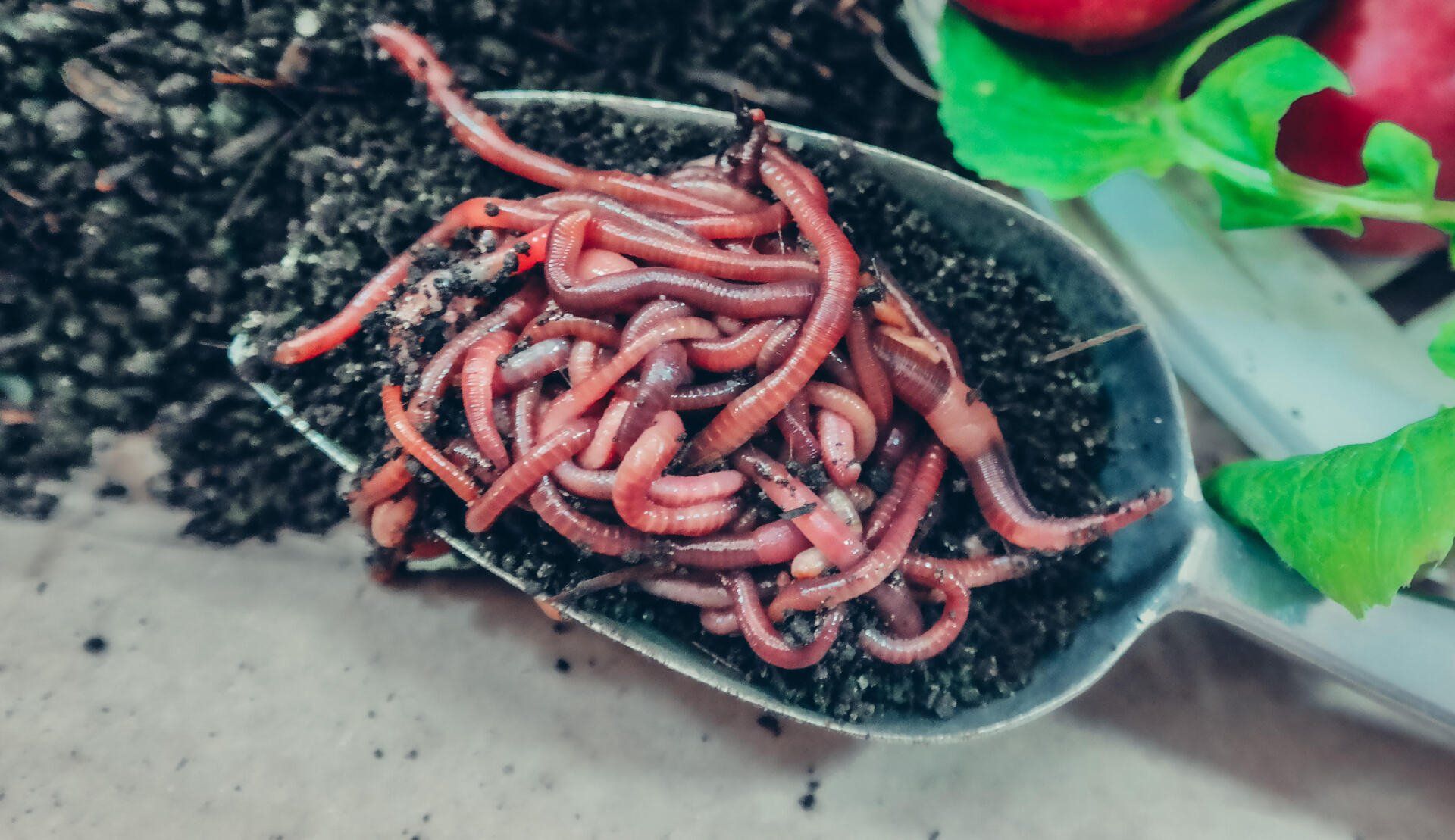
Worm castings and compost feed the microbial and earthworm activity that naturally breaks apart compacted layers.

Reduce Traffic on Wet Soil

Compaction happens fastest when heavy equipment or foot traffic presses on saturated soil, so timing matters.

Minimize Tillage

Reduced disturbance protects the structure and biology that keep soil resistant to compaction in the first place.

Watch for Early Signs

Standing water, shallow roots, and hard-to-probe soil all signal compaction before it becomes a bigger problem.

Common Mistakes to Avoid

Compaction is easy to make worse without realizing it.

Working wet soil
Driving equipment or walking heavily on saturated soil compacts it far more than the same activity on dry ground.
Relying only on tillage to fix it
Mechanical tillage can break up compaction short-term but doesn't address the underlying lack of biology and structure that let it happen.
Ignoring early warning signs
Standing water and stunted roots are often dismissed as unrelated issues, when they're frequently symptoms of underlying compaction.

Frequently Asked Questions

What is soil compaction? +
Soil compaction occurs when soil particles are pressed together, reducing pore space. Compacted soil limits root growth, water infiltration, and gas exchange, creating challenging growing conditions.
Why does compaction matter for plant growth? +
Compacted soils are one of the leading causes of poor plant performance and yield loss. Water pools on the surface, roots can't penetrate deeply, and microbial life is suppressed.
What causes soil compaction? +
Heavy machinery, foot traffic, and rain impact all compress soil particles over time. Without adequate organic matter and biological activity to maintain structure, soil tends to stay compacted once compressed.
How can compaction be identified early? +
Standing water after rain, stunted or shallow-rooted plants, and difficulty pushing a probe or shovel into the ground are common early signs of compacted soil.
Can compaction be reversed biologically? +
Yes. Building soil biology, particularly earthworm activity and root growth, gradually breaks apart compacted layers, offering a more sustainable alternative to repeated mechanical tillage.
How does earthworm activity help with compaction? +
Earthworm burrowing physically breaks apart compacted soil layers while depositing castings throughout the soil profile, making it one of the most effective natural anti-compaction mechanisms.
How is compaction different from soil structure? +
Soil structure describes how soil particles are arranged into aggregates with pore space between them. Compaction is the collapse of that structure, where pore space is squeezed out and particles are pressed tightly together.
Fed 'n Happy Insight

Earthworm burrowing is nature's most effective anti-compaction mechanism, physically breaking apart compacted layers while casting organic matter throughout the soil profile.