Water Use Efficiency
Definition
Water use efficiency describes how effectively soil and plants together capture, store, and put available water to use, a measure of how much benefit a growing system gets out of every inch of rainfall or irrigation, rather than how much water is simply available in the first place.

Extension literature commonly cites 20,000–27,000 gallons of additional water-holding capacity per acre for each 1% increase in organic matter. But a more rigorous academic analysis (Minasny & McBratney 2017, cited by University of Minnesota Extension) found a much more modest and soil-type-dependent figure, around 3,400 gallons per acre for medium-textured soil. The honest answer: organic matter reliably improves water-holding capacity, but the size of the effect varies a lot by soil type, and any single "X gallons" figure should be treated as a rough illustration, not a universal constant.
Sources: University of Minnesota Extension, European Journal of Soil Science (2018), Minasny & McBratney, via FAO AGRIS, USDA NRCS, Soil Health Key Points
Why It Matters
Two fields can receive identical rainfall and end up with very different results depending on how efficiently that water actually gets used, poor structure and thin organic matter can let much of it run off or evaporate before roots ever access it, while healthy soil captures and holds far more of the same rainfall for plants to actually use.
How It Works
Organic matter absorbs and holds water like a sponge, aggregated soil structure creates pore spaces that slow runoff and let water soak in rather than run off, and mulch or cover reduces evaporation loss from the surface, all working together to squeeze more usable water out of the same total rainfall.
Benefits
- Lower overall water demand
- Improved drought tolerance
- Healthier, less-stressed plants
- More consistent yields across variable rainfall years
Sources: Michigan State University Extension, USDA NRCS, Soil Health Key Points
How to Improve Water Use Efficiency
Efficiency comes from working on structure and organic matter together, not any single fix.
Build Organic Matter
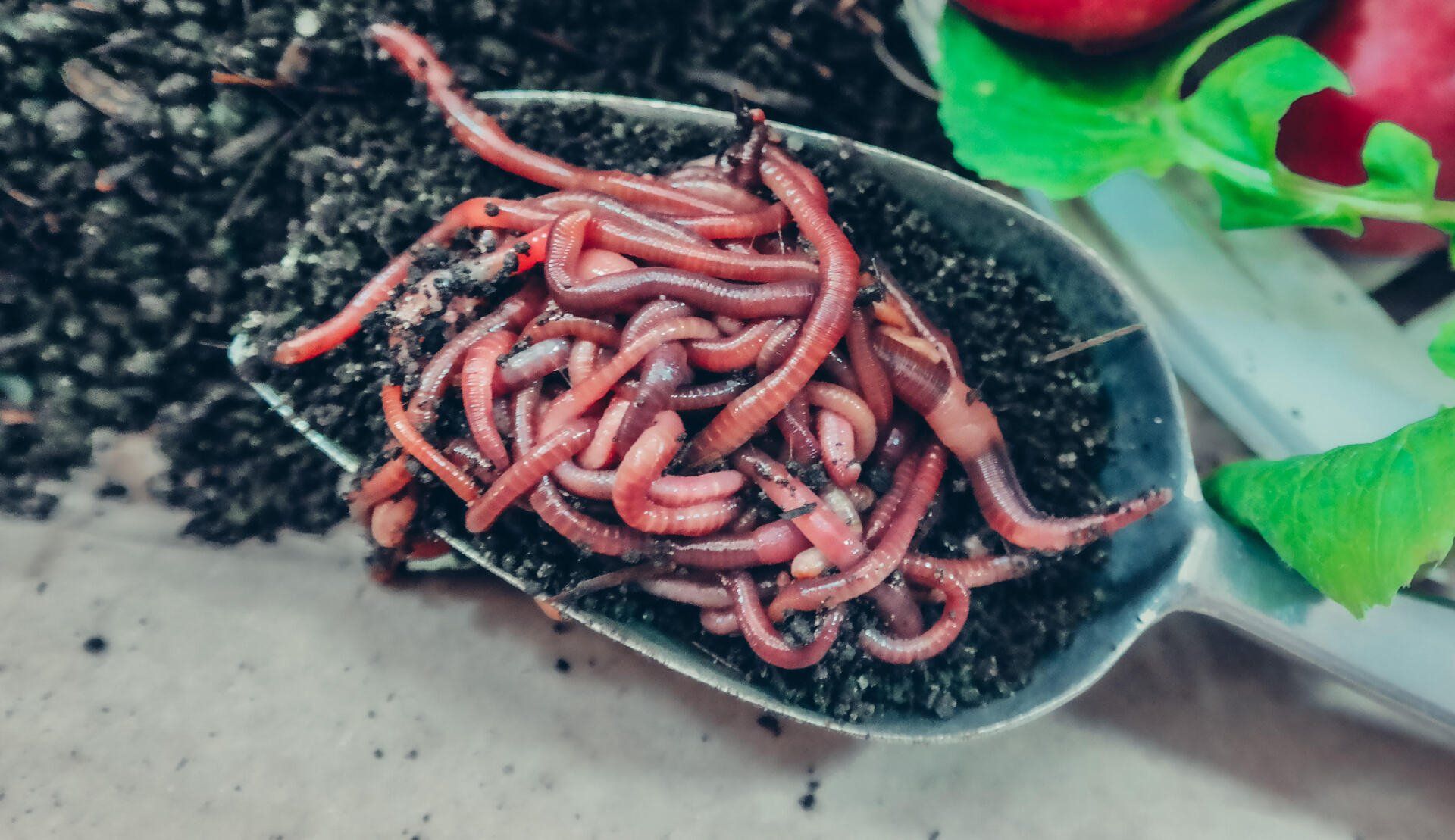
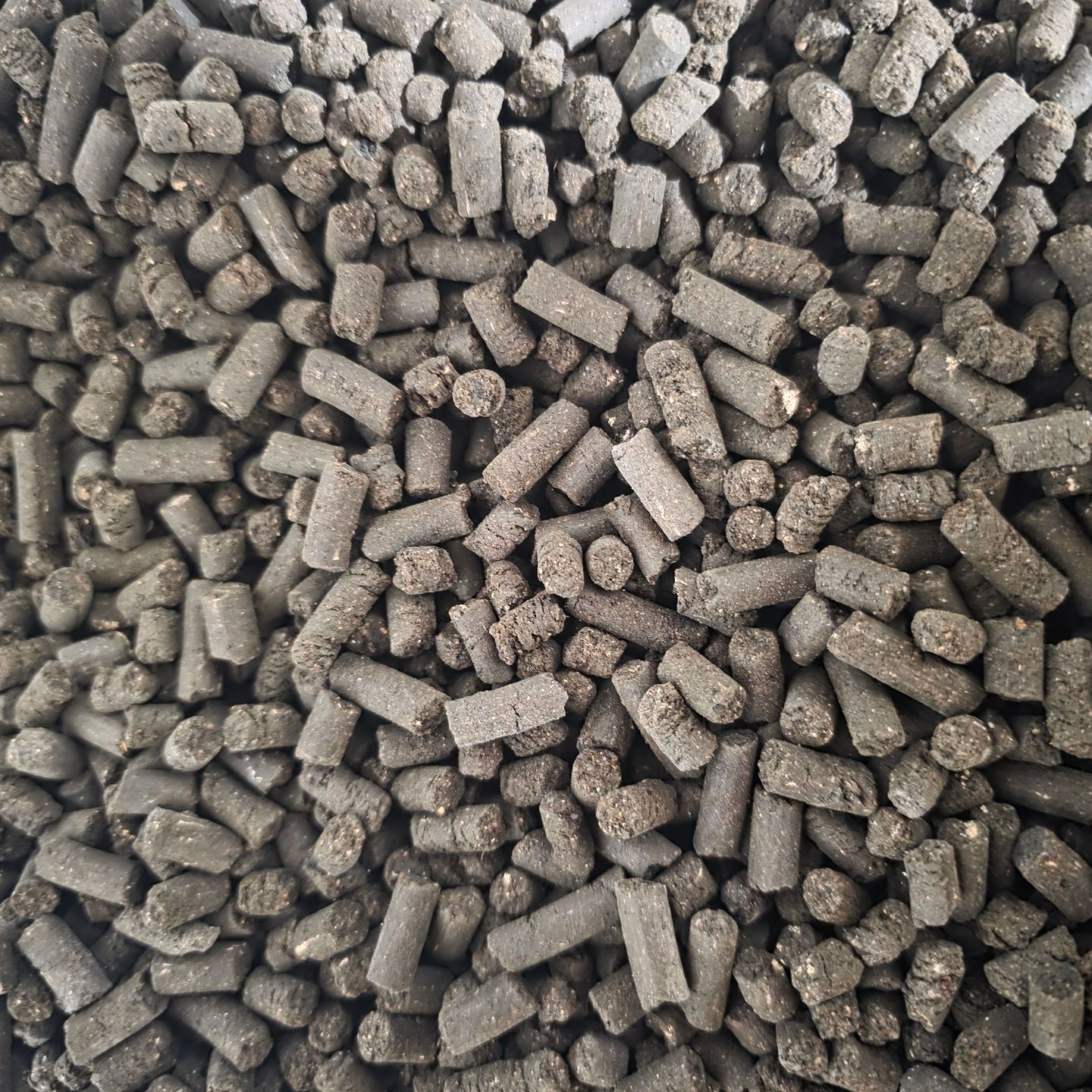
Compost and worm castings increase the soil's ability to hold water like a sponge, an effect that compounds with every season of consistent application.
Reduce Compaction and Tillage
Compacted, frequently tilled soil sheds water instead of absorbing it. Minimizing disturbance helps preserve the pore structure that lets water soak in.
Add Mulch or Surface Cover
A mulch layer reduces direct evaporation from bare soil, keeping more infiltrated water available for roots rather than lost to the air.
Keep Living Roots in the Ground
Cover crops and diverse plantings maintain root channels and biological activity that support water infiltration even in the off-season.
Sources: University of Minnesota Extension, USDA NRCS, Soil Health Key Points
Healthy Soil vs. Compacted/Low-Organic-Matter Soil
Same rainfall, very different results, depending on what happens to the water once it hits the ground.
| Healthy, High-Organic-Matter Soil | Compacted, Low-Organic-Matter Soil | |
|---|---|---|
| What happens to rainfall | Infiltrates and is held for plant use | Runs off or ponds on the surface |
| Evaporation loss | Reduced by surface cover and structure | Higher, especially from bare, crusted surfaces |
| Root access to water | Water held at accessible tensions across pore sizes | Limited, water either drains too fast or is unavailable |
| Drought resilience | More consistent performance in dry stretches | Stresses and yield loss show up faster |
| Irrigation need | Lower, for the same growing outcome | Higher to compensate for poor natural retention |
Sources: Michigan State University Extension, University of Minnesota Extension, USDA NRCS, Soil Health Key Points
Common Mistakes to Avoid
Water use efficiency is often reduced to a single number, but a few real habits shape the outcome.
Sources: University of Minnesota Extension, European Journal of Soil Science (2018), Minasny & McBratney, via FAO AGRIS, USDA NRCS, Soil Health Key Points
Frequently Asked Questions
What is water use efficiency? +
Why do two fields with the same rainfall get different results? +
How does organic matter improve water use efficiency? +
What role does soil structure play in water use efficiency? +
Can mulch improve water use efficiency? +
Is water use efficiency the same as drought tolerance? +
How can I improve water use efficiency in my garden or farm? +
How does water use efficiency relate to nutrient use efficiency? +
Biology-first soil management helps every inch of rainfall work harder — organic matter, structure, and cover all reinforce each other rather than working in isolation.