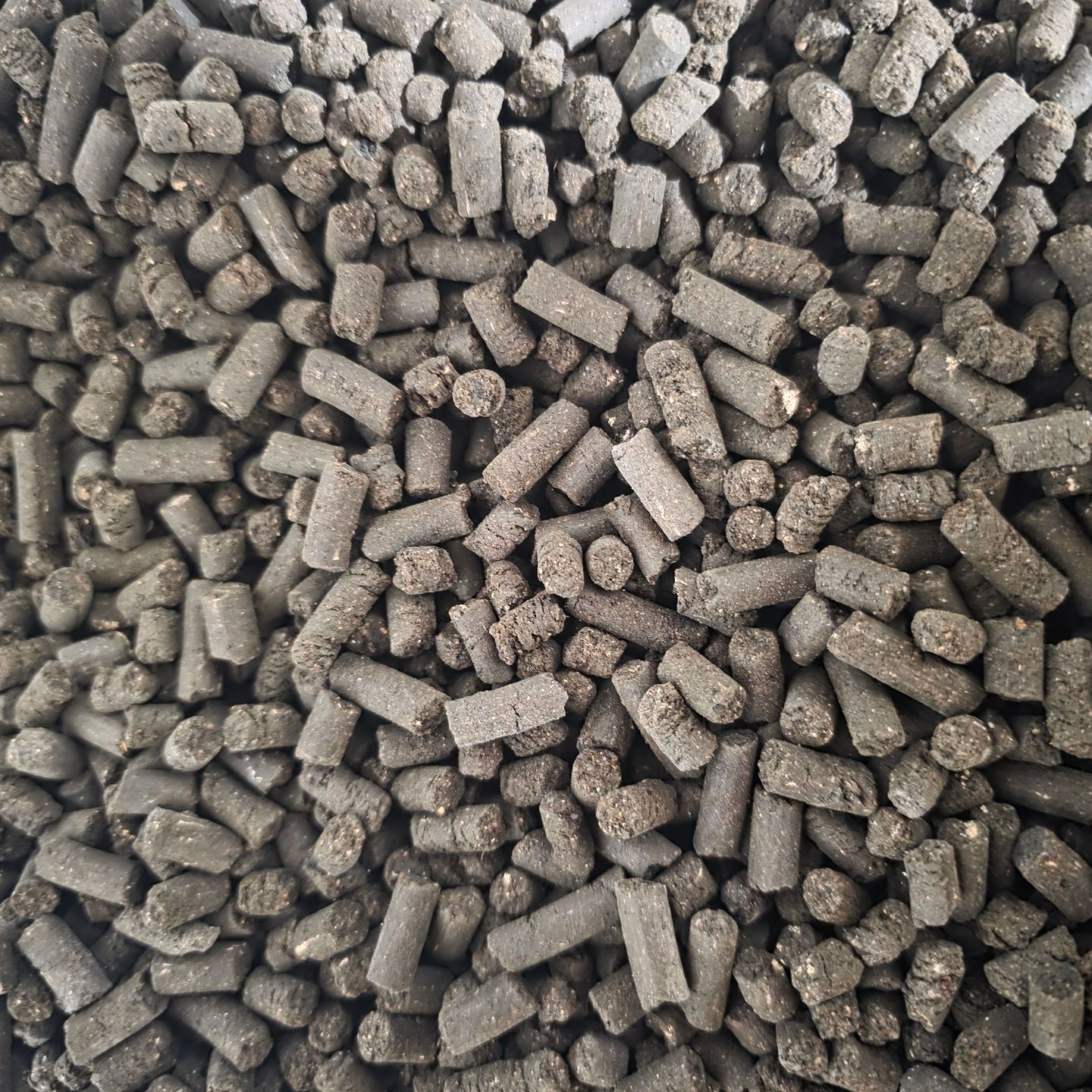
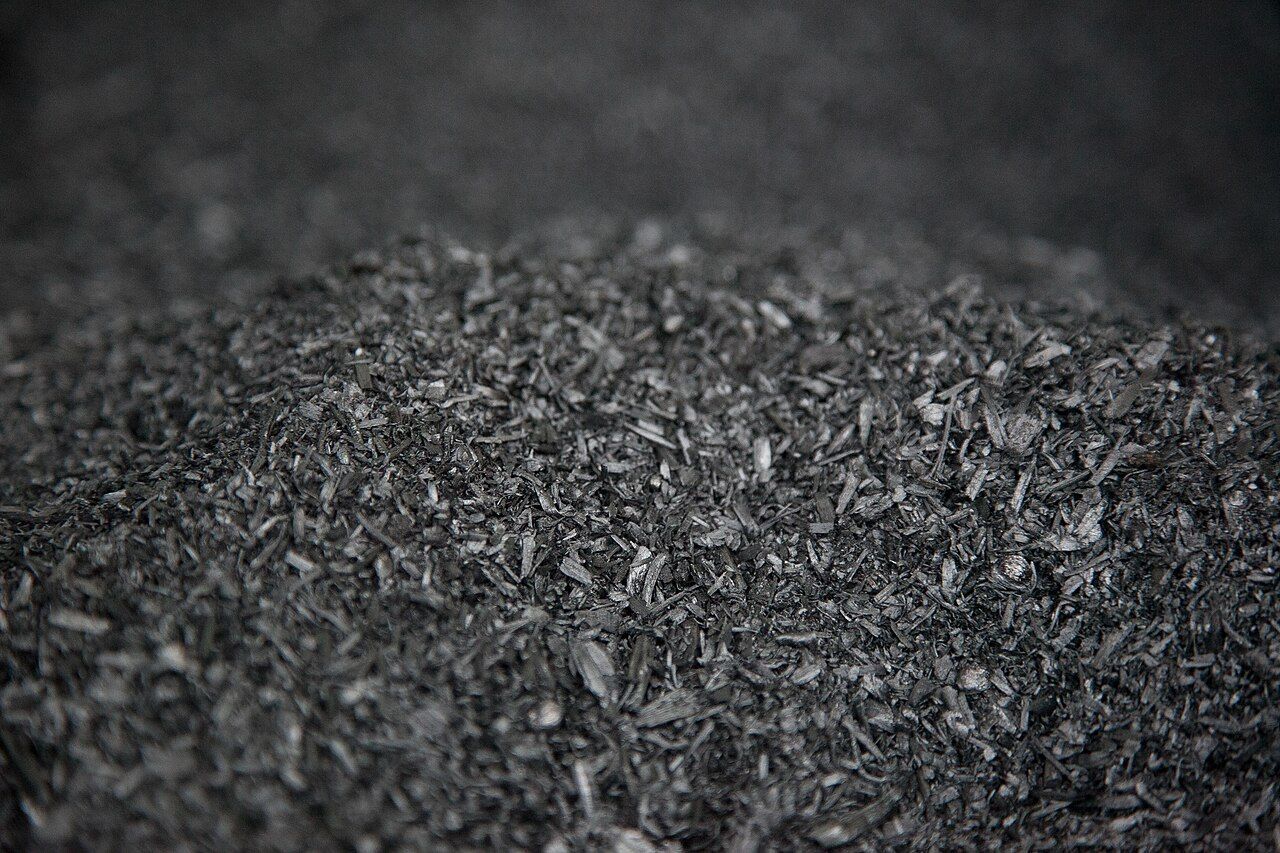
Soil Amendment
Definition
A soil amendment is any material added to soil to improve its physical or biological properties, structure, water retention, aeration, or biological activity. This is distinct from a fertilizer, which primarily supplies nutrients, though some materials, like worm castings, can function as both at once.

Why It Matters
No amount of fertilizer can fix soil with poor structure or weak biological activity. Amendments address the underlying physical and biological foundation that determines how effectively any nutrients, whether from fertilizer or the soil itself, actually reach and benefit plants.
How It Works
Different amendments target different limitations. Organic amendments like compost and worm castings improve structure and biology together. Mineral amendments like sand, and stable carbon amendments like biochar, target specific physical properties like drainage or porosity. The right choice depends on what's actually limiting a given soil.
Benefits
- Improves soil structure over time
- Supports biological activity
- Enhances water retention or drainage as needed
- Addresses root causes rather than symptoms
Choosing the Right Amendment
Match the amendment to the actual limitation rather than reaching for whatever's popular.
Test Before Amending
A soil test identifies what's actually limiting your soil, structure, drainage, or biology, before you spend money on an amendment that may not address the real problem.
Reach for Biological Amendments First
Worm castings and compost improve structure and biology together, offering compounding benefits that purely mechanical amendments don't provide.
Watch for Overapplication
Even beneficial amendments can create imbalances if overapplied. More isn't always better, especially with concentrated organic inputs.
Apply Consistently Over Time
Most organic amendments benefit from regular, ongoing application rather than a single large dose, since their effects build over multiple seasons.
Soil Amendment vs. Fertilizer
Both improve soil, but they work through different mechanisms and address different needs.
| Soil Amendment | Fertilizer | |
|---|---|---|
| Primary purpose | Improves physical or biological soil properties | Supplies specific nutrients for plant uptake |
| Effect timeline | Typically gradual, builds over seasons | Often faster, nutrients available quickly |
| Examples | Compost, worm castings, biochar, sand | NPK blends, fish emulsion, blood meal |
| Long-term structural benefit | Yes, especially organic amendments | Not directly, though organic fertilizers can overlap |
| Overlap | Worm castings and some other materials function as both at once | |
Common Mistakes to Avoid
Choosing an amendment is easy to get wrong without first understanding the actual limitation.
Frequently Asked Questions
What is a soil amendment? +
What's the difference between a soil amendment and a fertilizer? +
What are examples of common soil amendments? +
Do I need to test my soil before choosing an amendment? +
Can adding too much of one amendment cause problems? +
Are biological amendments like worm castings better than synthetic soil conditioners? +
How often should I add soil amendments? +
Worm castings function as both amendment and fertilizer at once, improving structure and biology while also supplying real nutrients.