Organic Matter
Definition
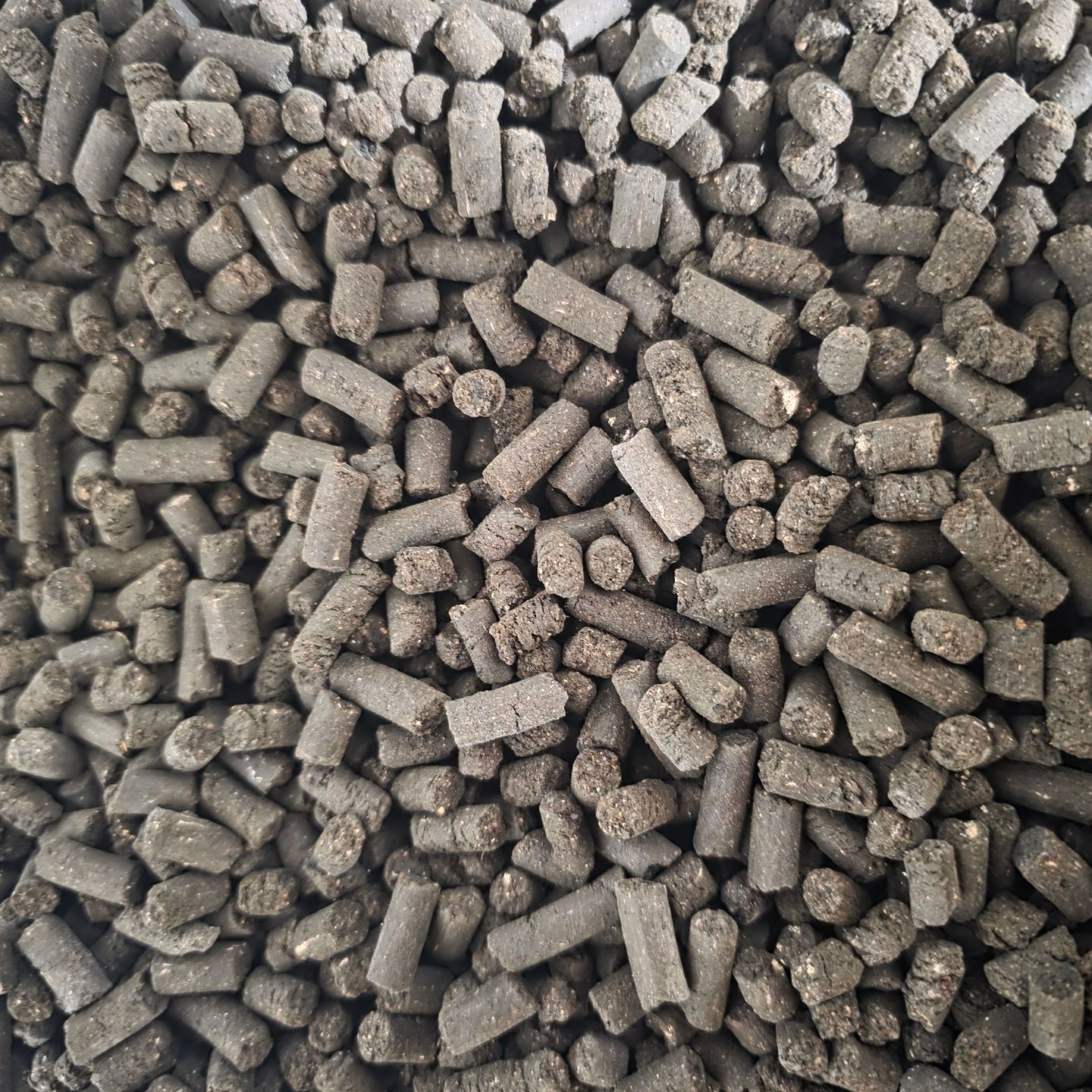
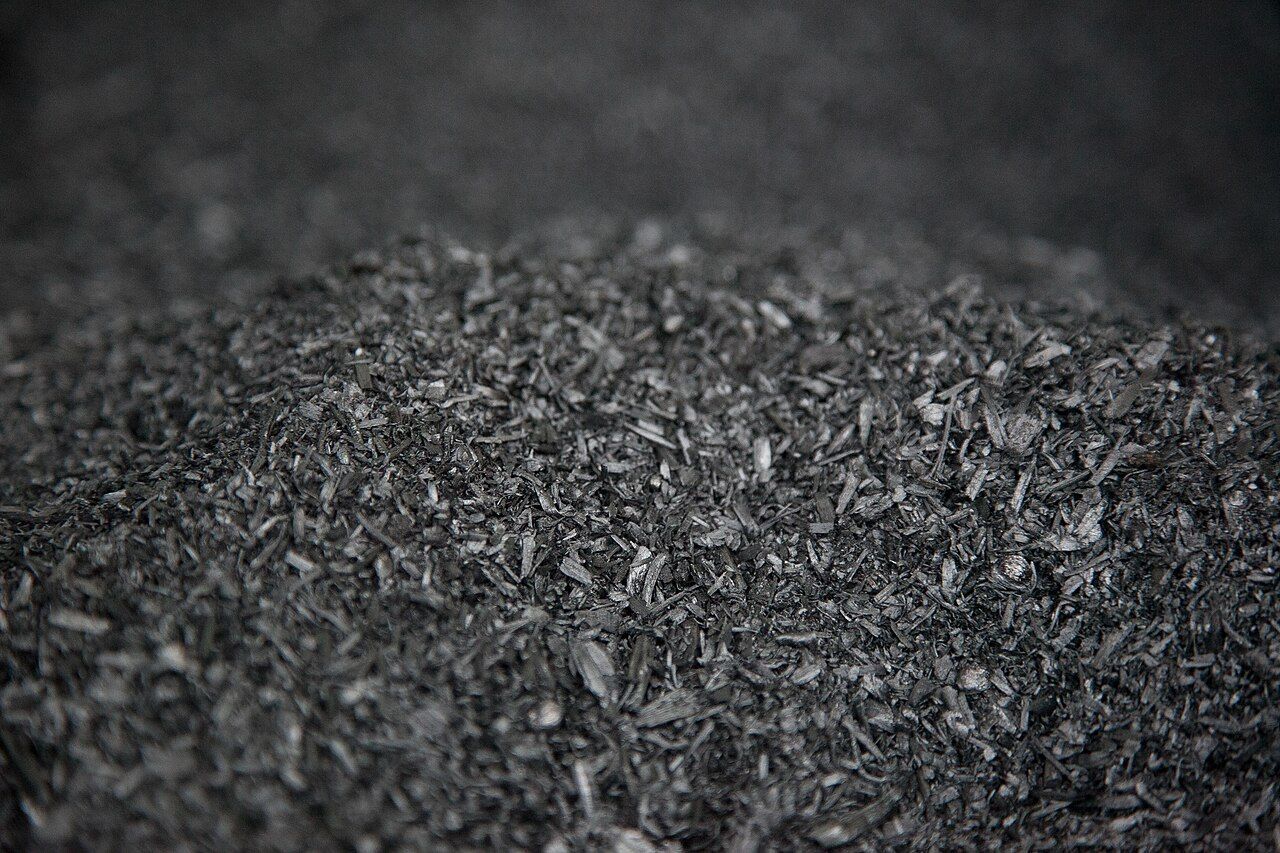
Organic matter (OM) refers to any living or once-living material in soil, plant residues, animal waste, microorganisms, and their decomposed remains. It is the foundation of a healthy, productive soil ecosystem.

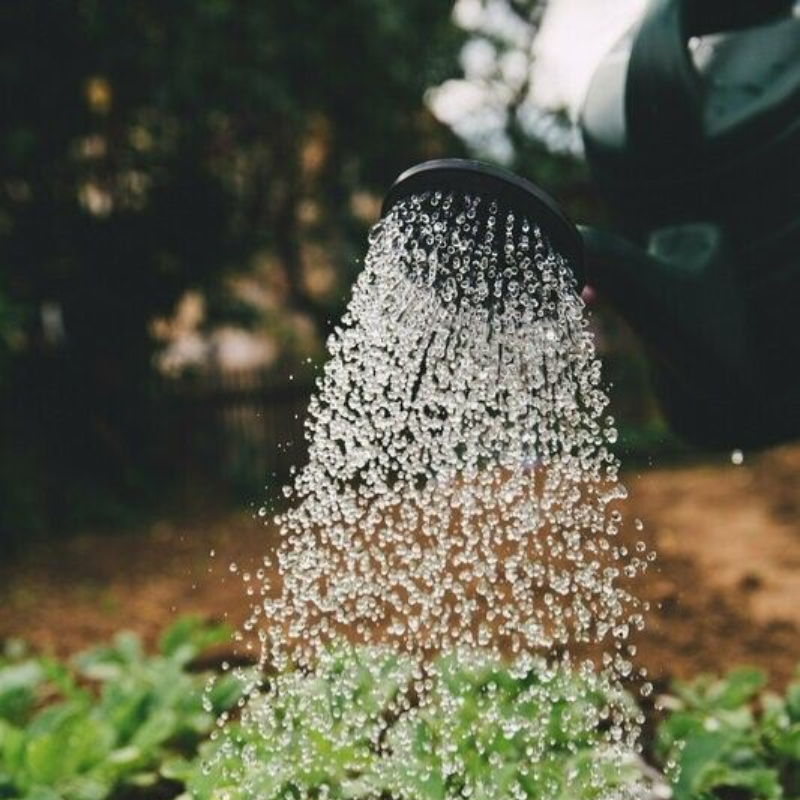
Certain types of organic matter can hold up to 20 times their weight in water under lab conditions (Reicosky 2005). But a large-scale meta-analysis of over 50,000 measurements (Minasny & McBratney 2018) found organic matter's real-world effect on field water capacity is often smaller than commonly assumed. The honest takeaway: organic matter reliably improves water retention, but treating "20x" as a guaranteed field result oversimplifies the science.
Sources: Food and Agriculture Organization (FAO), European Journal of Soil Science (Wiley)
Why It Matters
Even a 1% increase in soil organic matter can improve nutrient holding capacity and biological activity, and usually water retention too, though how much varies by soil. Most degraded agricultural soils have OM levels below 2%; thriving soils aim for 5% or higher.
How It Works
Organic matter cycles continuously: plants capture carbon from the air, organisms consume plant material, and decomposition returns nutrients to the soil. Each cycle builds soil tilth, structure, and fertility.
Benefits
- Improves water retention (how much varies by soil)
- Feeds soil microbiota
- Buffers soil pH
- Increases cation exchange capacity
- Reduces erosion
Sources: Journal of Soil and Water Conservation, University of Georgia Extension (C1299), USDA NRCS, via University of Hawaii CTAHR
How to Build Soil Organic Matter
Building organic matter is a multi-year process, but consistent inputs and reduced disturbance compound over time.
Add Compost and Worm Castings
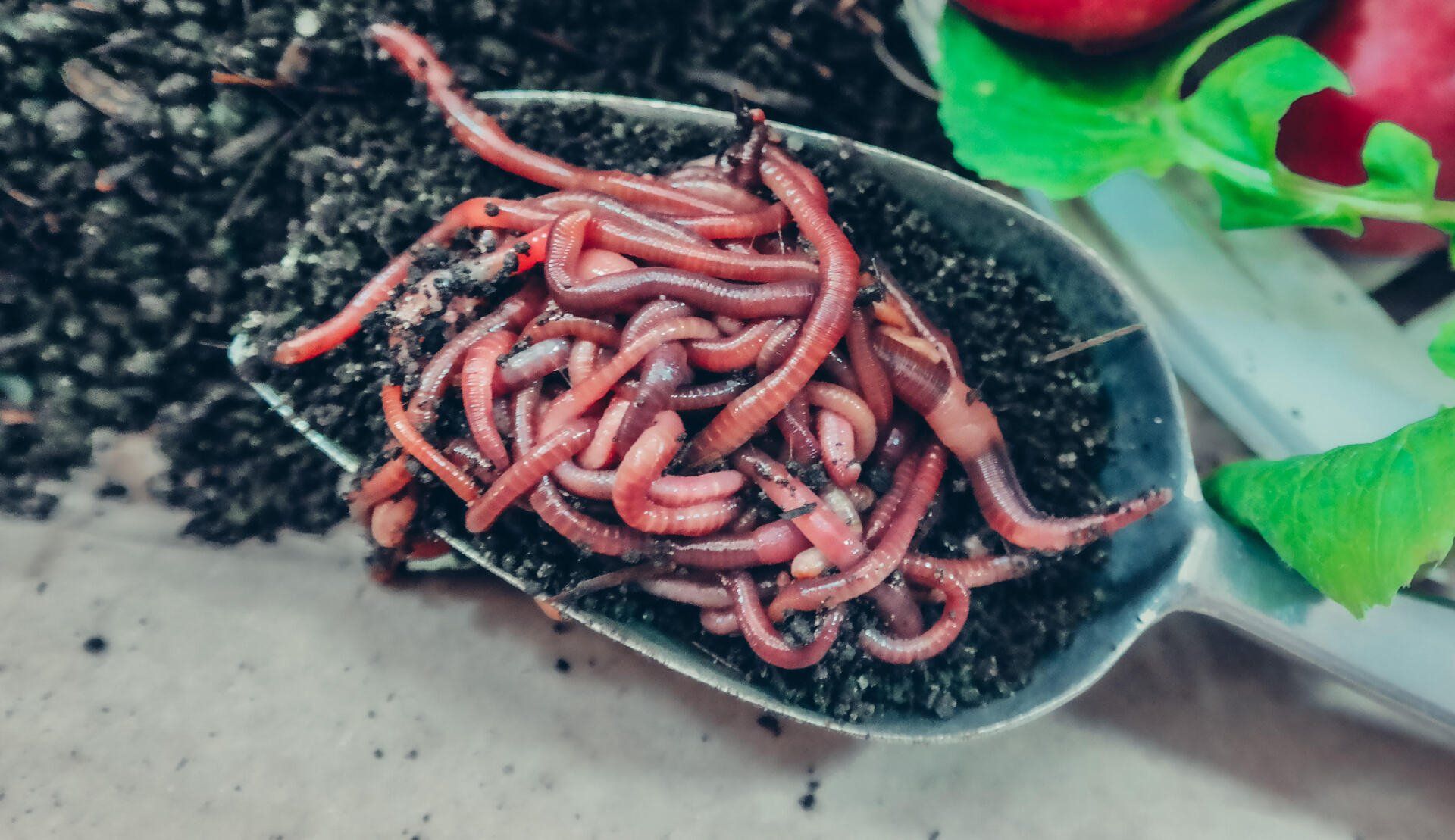
These directly add organic matter, and castings arrive already partly processed into more biologically active, plant-available forms.
Plant Cover Crops
Keeping living roots and plant residue in the ground longer through the year adds a steady stream of organic inputs, even outside the main growing season.
Reduce Tillage
Tillage exposes organic matter to oxygen, accelerating its breakdown back into the atmosphere. Minimizing disturbance helps organic matter accumulate rather than deplete.
Expect a Multi-Year Timeline
Meaningful increases in organic matter typically take several growing seasons of consistent practice, even under favorable conditions.
Sources: Food and Agriculture Organization (FAO), University of Georgia Extension (C1299), USDA NRCS, via University of Hawaii CTAHR
Organic Matter vs. Humus vs. Fresh Residue
All are part of the same continuum — the difference is how far along decomposition each one has come.
| Fresh Residue | Active Organic Matter | Humus | |
|---|---|---|---|
| Stage of decomposition | Recently added, largely unprocessed | Actively breaking down | Fully stabilized, resists further breakdown |
| Turnover speed | Fast, quickly consumed by soil organisms | Moderate, changes form as it decomposes | Very slow, can persist for centuries |
| Nutrient release | Rapid initial release as breakdown starts | Ongoing release as decomposition continues | Slow, steady, long-term release |
| Contribution to CEC | Minimal until it starts breaking down | Growing as decomposition progresses | High, humus has among the highest CEC of any soil component |
| Best for | Feeding soil biology and short-term nutrient supply | The active engine of ongoing soil fertility | Long-term soil structure and fertility |
Sources: Food and Agriculture Organization (FAO), University of Vermont Extension, USDA NRCS Illinois (Soil Tech Note 13A), University of Georgia Extension (C1040)
Common Mistakes to Avoid
Organic matter is often reduced to a single percentage, but a few real habits shape how much of it actually builds up.
Sources: European Journal of Soil Science (Wiley), University of Georgia Extension (C1299), University of Vermont Extension
Frequently Asked Questions
What is soil organic matter? +
What percentage of organic matter should healthy soil have? +
Is it true that organic matter holds 20 times its weight in water? +
What's the difference between organic matter and humus? +
How can I increase soil organic matter? +
How quickly does organic matter break down? +
Does tilling reduce soil organic matter? +
Adding worm castings is one of the fastest ways to increase biologically active organic matter — unlike raw compost, castings are already processed into plant-available forms.