Sprayer
Definition
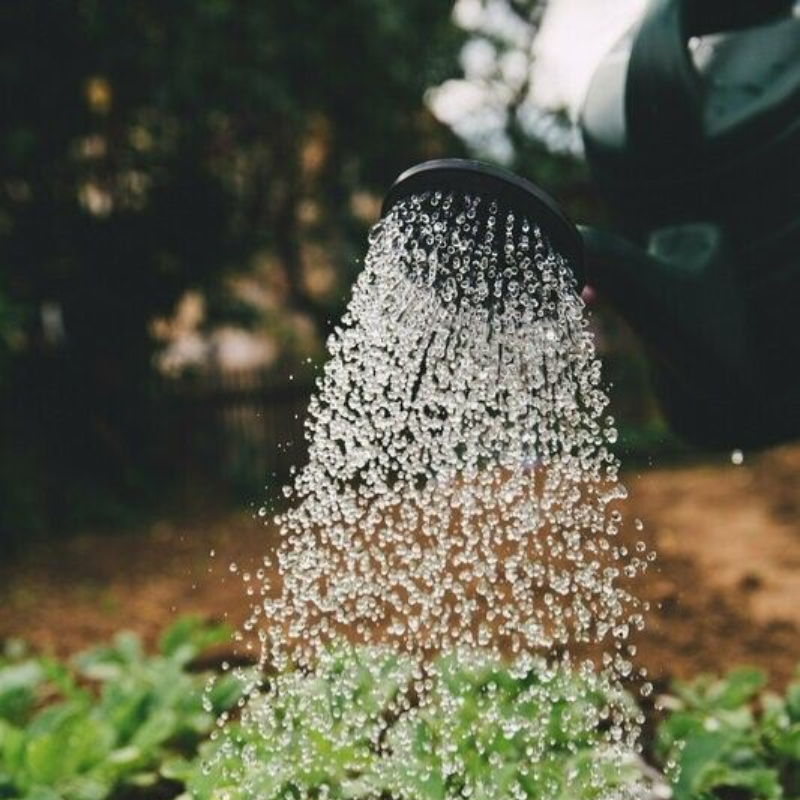
A sprayer is equipment that applies liquid products through pressurized nozzles, ranging from a simple backpack unit for a home garden to a boom sprayer covering dozens of feet at a time on a field-scale operation. It's the equipment itself, distinct from foliar spray or flood spray, which describe the technique being used.

Why It Matters
The right sprayer makes the difference between an evenly applied liquid product and a wasted, uneven one. Choosing equipment sized and configured for the job, whether that's a backpack unit or a boom sprayer, directly affects how well liquid biology or nutrients actually reach their target.
How It Works
A sprayer pressurizes liquid and pushes it through nozzles designed to break it into droplets of a controlled size. Nozzle choice, pressure, and pump type all affect droplet size, spray pattern, and how well the equipment handles thicker liquids like biological extracts.
Benefits
- Consistent, even liquid coverage
- Scales from backpack to field-size operations
- Works with foliar spray, drench, and other liquid techniques
- Faster application than manual watering methods
Choosing and Using a Sprayer Well
Matching equipment to the job and product prevents most common problems.
Strain Biological Liquids Thoroughly
Poorly filtered extract or tea can clog fine nozzles with solids that weren't strained out beforehand.
Match Nozzle to the Liquid
Finer nozzles suit foliar coverage; coarser nozzles handle thicker biological liquids and reduce clogging risk.
Size the Sprayer to the Job
A backpack sprayer fits a home garden; a boom sprayer suits field-scale coverage. Oversized or undersized equipment wastes time or money.
Rinse After Every Use
Cleaning prevents residue buildup that clogs nozzles over time and avoids cross-contaminating future products.
Sprayer vs. Foliar Spray
One is the equipment, the other is the technique, an easy distinction to blur.
| Sprayer | Foliar Spray | |
|---|---|---|
| What it is | The physical equipment | The technique of applying liquid to leaves |
| Can it be used for other techniques? | Yes, drench, flood spray, and more | N/A, describes one specific technique |
| Ranges from | Backpack unit to field-scale boom sprayer | A single small plant to a full field |
| Determines | How liquid is delivered | Where and how the liquid is targeted |
| Relationship | A sprayer is the tool used to carry out foliar spray, along with other liquid application techniques | |
Common Mistakes to Avoid
Sprayer problems often trace back to mismatched equipment or product, not equipment failure.
Frequently Asked Questions
What is a sprayer? +
What's the difference between a sprayer and foliar spray? +
What types of sprayers are commonly used? +
Can biological liquid products like worm extract clog a sprayer? +
How does nozzle choice affect sprayer performance? +
Do I need to clean a sprayer after using biological products? +
What size sprayer is right for a home garden? +
Straining worm extract or compost tea thoroughly before loading a sprayer prevents the most common clogging problems with biological liquids.