No-Till
Definition
No-till gardening is a cultivation approach that avoids mechanical soil disturbance. Instead of plowing or digging, organic matter is added to the surface and allowed to naturally integrate, preserving soil structure and the organisms that create it.

Why It Matters
Tillage physically tears apart the fungal networks and soil aggregate structure that take seasons to build. No-till avoids that disruption entirely, letting soil structure and biology develop cumulatively year over year instead of being reset with every pass of a tiller.
How It Works
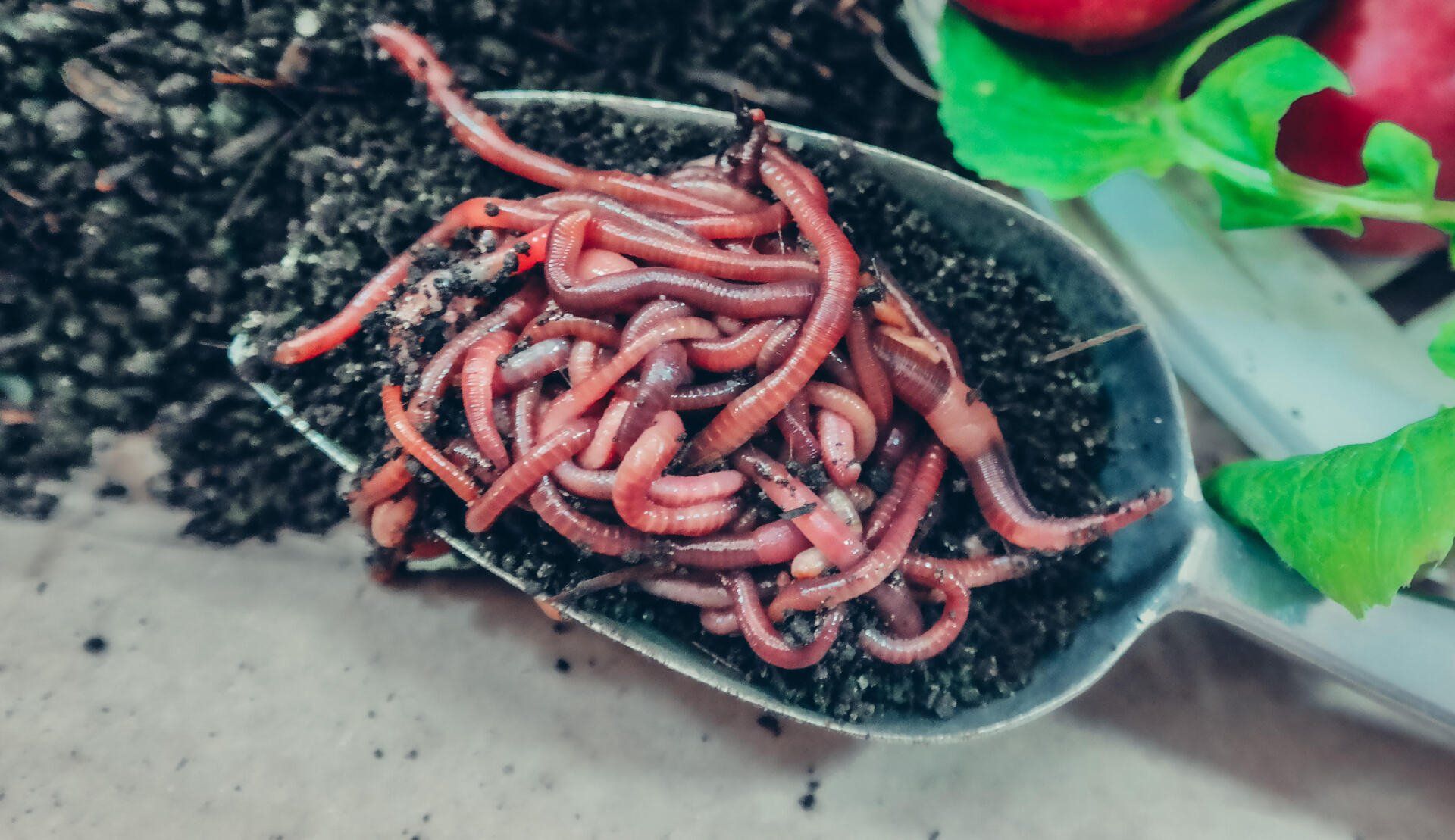
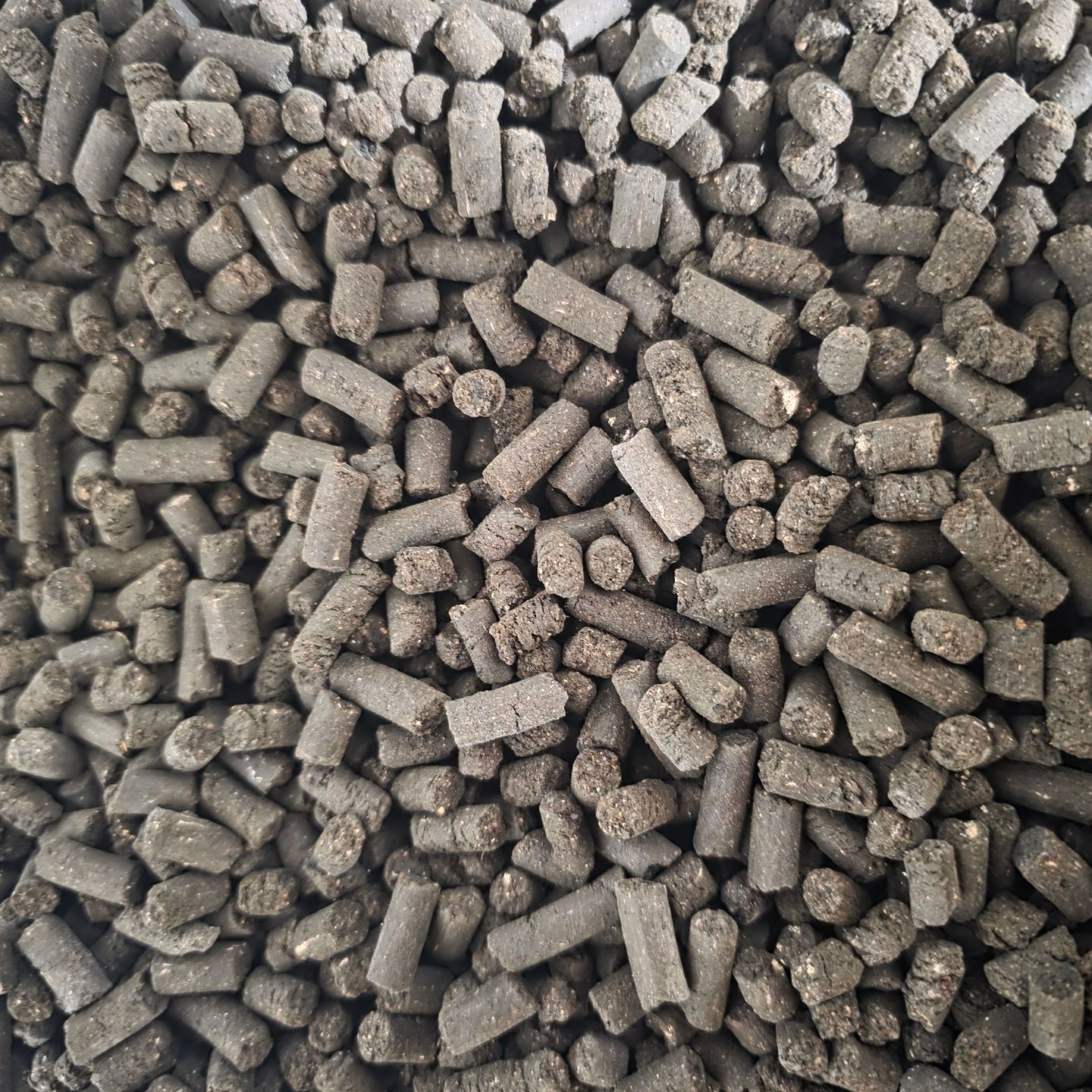
Rather than mechanically mixing amendments into soil, organic matter like compost or worm castings is applied to the surface as a top dressing. Water, worms, and soil microbes gradually carry it down into the root zone on their own, without disturbing existing soil structure.
Benefits
- Preserves fungal networks and soil aggregates
- Protects earthworm populations and burrows
- Reduces erosion risk
- Builds increasingly stable soil structure over time
Transitioning to No-Till
Getting started doesn't require any special equipment, just a shift in habit.
Start With a Top Dressing
A layer of compost or worm castings on the surface begins feeding soil biology without ever disturbing what's below.
Give It Time
Soil structure rebuilds gradually. Expect noticeable improvement over a season or more rather than an immediate transformation.
Keep the Surface Covered
Mulch or cover crops protect the soil surface between plantings, reinforcing the no-till approach year-round.
Avoid the Urge to Dig When Problems Arise
Compaction or drainage issues can tempt a return to tilling. Addressing them with surface amendments and time protects the progress already made.
No-Till vs. Conventional Tillage
Both prepare soil for planting, but through fundamentally different relationships with soil structure.
| No-Till | Conventional Tillage | |
|---|---|---|
| Soil structure impact | Preserved and built up over time | Repeatedly broken apart and reset |
| Fungal networks | Undisturbed, allowed to develop | Physically torn apart with each pass |
| Amendment incorporation | Gradual, via top dressing | Immediate, mechanically mixed in |
| Erosion risk | Lower, soil stays covered and structured | Higher, freshly turned soil is exposed |
| Time to results | Gradual, builds over seasons | Immediate mixing, but repeated disruption |
Common Mistakes to Avoid
No-till mistakes usually come from old habits, or from expecting soil-turning results without soil-turning methods.
Frequently Asked Questions
What is no-till gardening? +
Why does avoiding tillage help soil biology? +
How do you add amendments without tilling? +
Does no-till gardening take longer to build fertile soil? +
Is no-till the same as no-dig gardening? +
Can I convert an existing tilled garden bed to no-till? +
How does no-till relate to worm activity in soil? +
How does no-till relate to living soil? +
Top dressing with worm castings is the classic no-till amendment method, feeding soil biology from the surface down without ever disturbing the structure below.