Organic Farming
Definition
Organic farming is a production system that avoids synthetic fertilizers, pesticides, and other manufactured inputs, relying instead on natural processes, compost, biological amendments, and ecological pest management, to grow crops.

Why It Matters
Organic farming reduces reliance on manufactured inputs, instead building fertility through compost, biological amendments, and natural soil processes. That approach supports longer-term soil health and reduces the environmental footprint associated with synthetic fertilizer and pesticide production and use.
How It Works
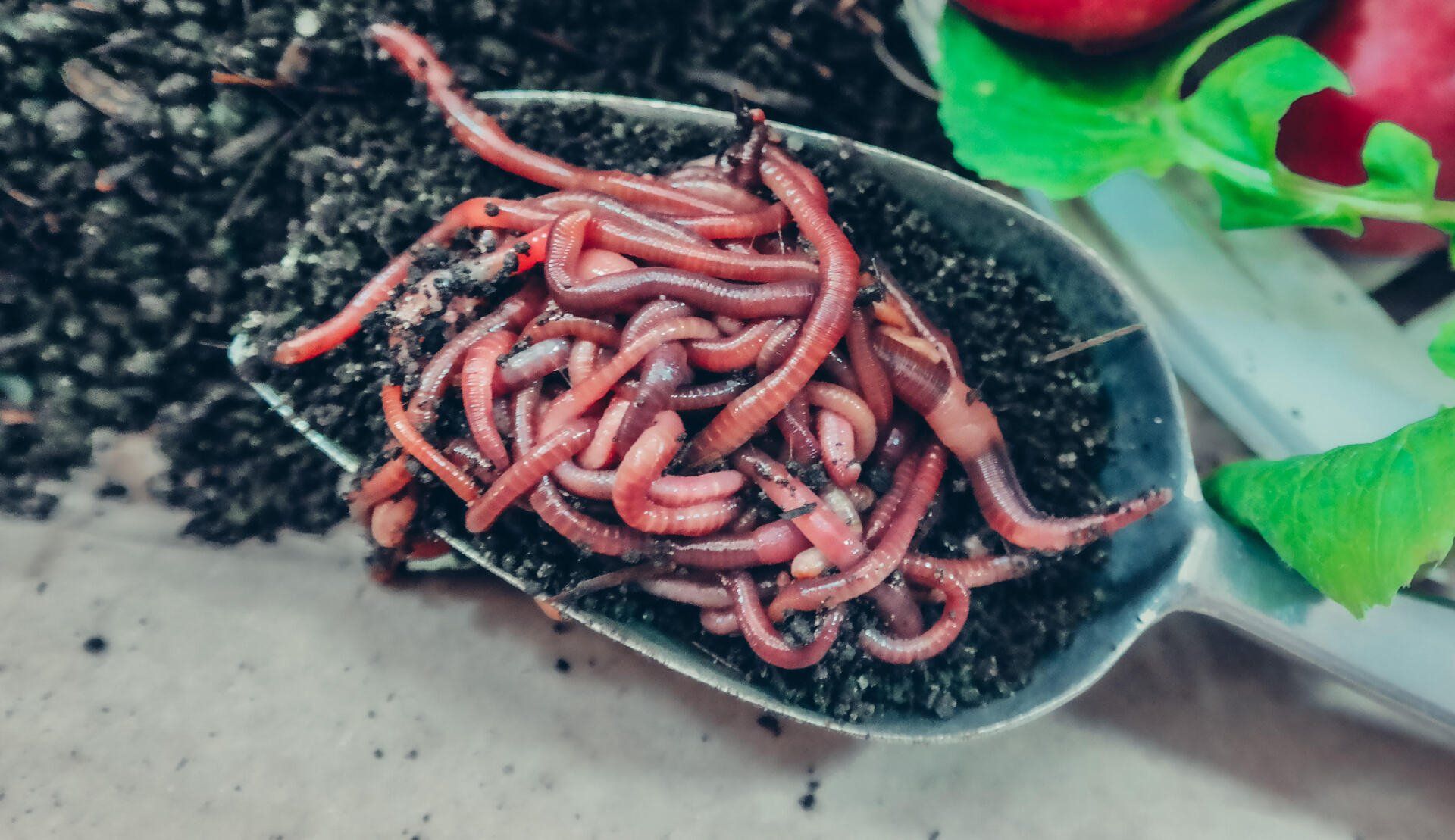
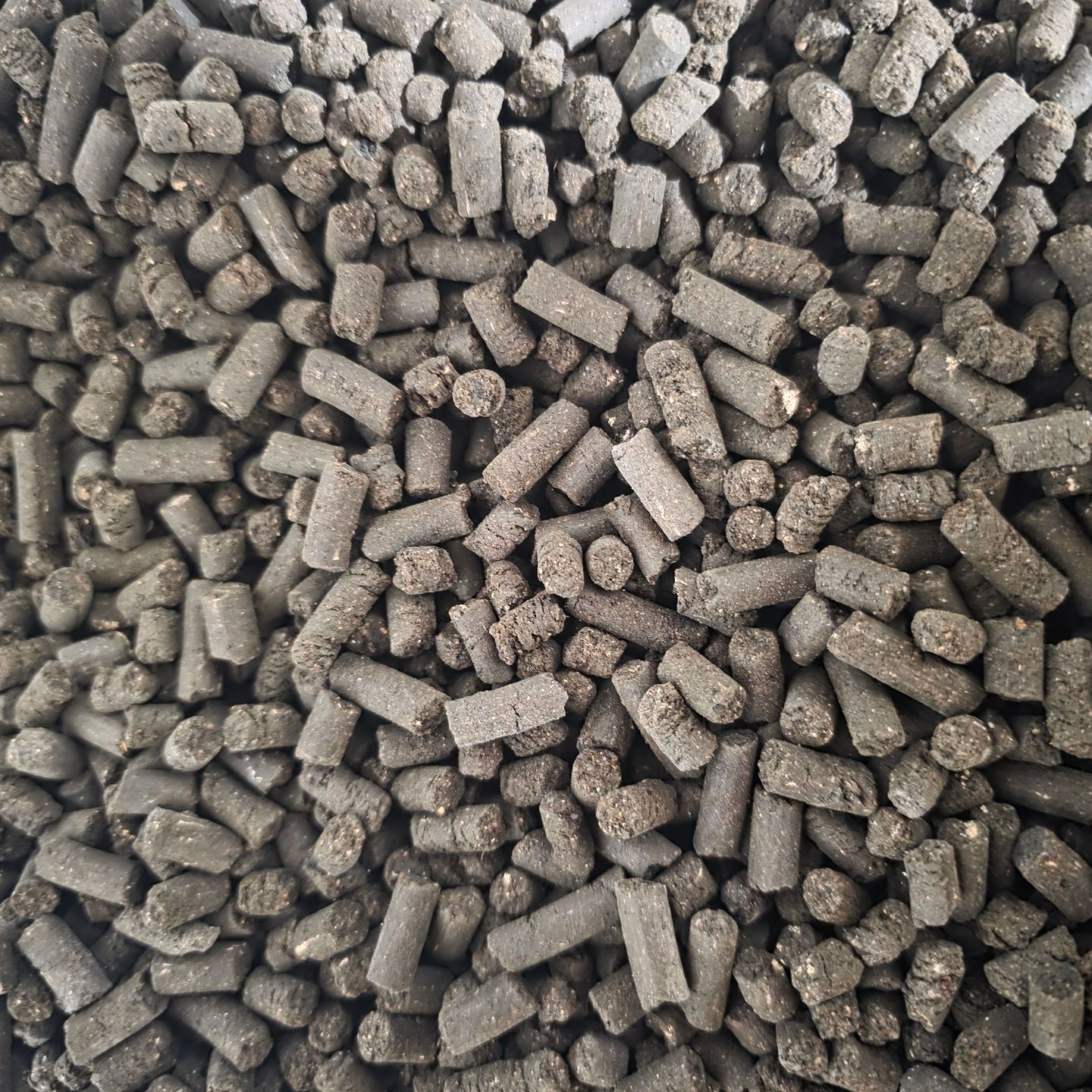
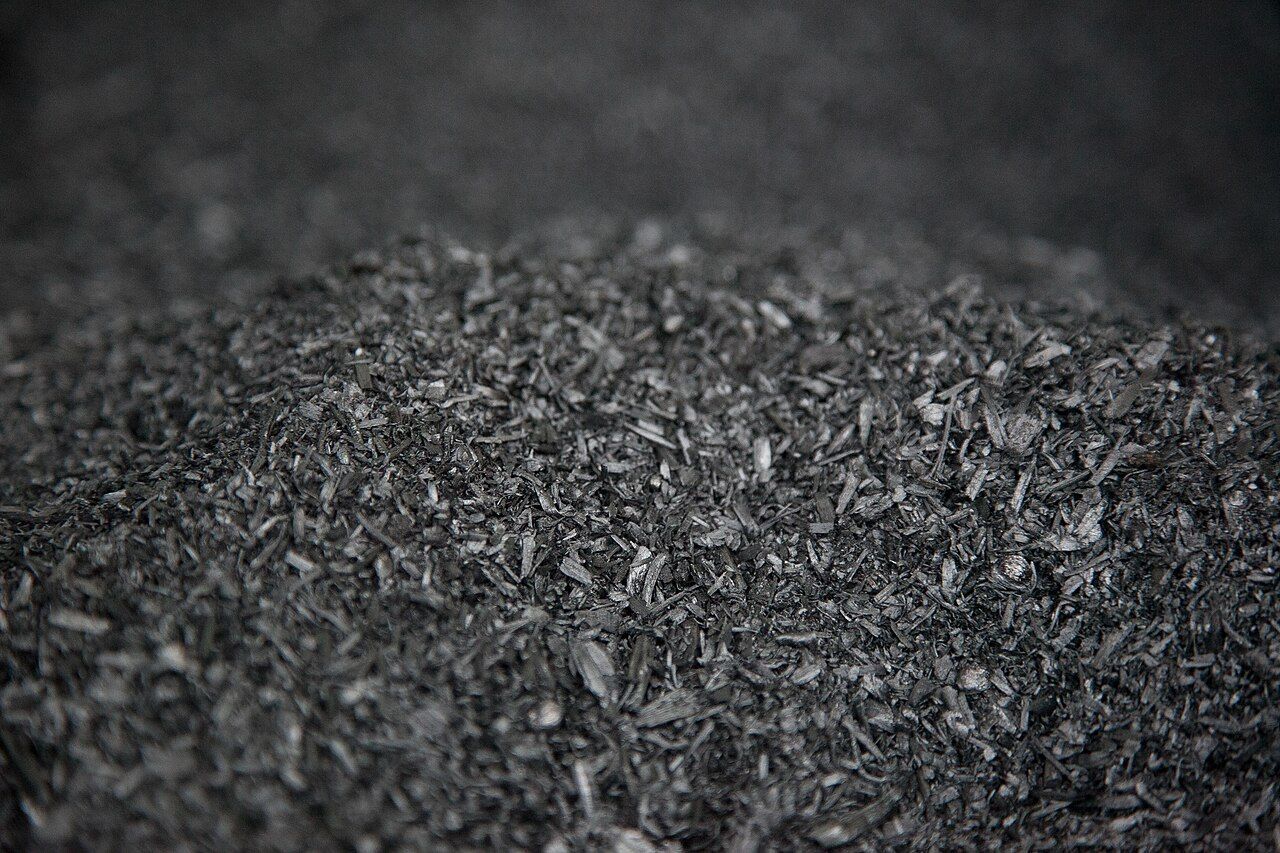
Fertility comes from compost, worm castings, and other biologically active amendments rather than synthetic fertilizer. Pest and disease management relies on crop rotation, beneficial insects, and approved biological controls rather than most synthetic pesticides, all working together under a defined set of allowed and prohibited inputs.
Benefits
- Avoids synthetic fertilizers and most synthetic pesticides
- Builds fertility through biological amendments
- Reduces chemical runoff and environmental impact
- Can command premium pricing with certification
Working Within Organic Standards
Understanding allowed and prohibited inputs is the practical starting point for organic growing.
Build Fertility With Biological Amendments
Compost, worm castings, and other naturally produced amendments are generally allowed and form the backbone of organic fertility.
Plan for the Transition Period
Formal certification requires a multi-year transition, commonly around three years, managing land organically before crops can be sold as certified.
Use Ecological Pest Management
Crop rotation, beneficial insects, and approved biological controls replace most synthetic pesticides under organic standards.
Check Certification Requirements Before Marketing as Organic
Following organic principles informally doesn't allow labeling or selling products as certified organic without going through formal certification.
Organic Farming vs. Regenerative Agriculture
Related philosophies, but defined by different things: inputs avoided versus outcomes pursued.
| Organic Farming | Regenerative Agriculture | |
|---|---|---|
| Primary focus | Avoiding specific synthetic inputs | Actively rebuilding soil health outcomes |
| Certification required? | Often requires formal certification | No formal certification standard |
| Measured by | Compliance with an approved-inputs list | Soil organic matter, biology, water cycles |
| Can overlap? | Yes, a farm can be both organic and regenerative, or either one independently | |
Common Mistakes to Avoid
Organic farming mistakes usually come from misunderstanding what the label actually requires.
Frequently Asked Questions
What is organic farming? +
Does organic farming require certification? +
What inputs are allowed in organic farming? +
How is organic farming different from regenerative agriculture? +
Are worm castings allowed in organic farming? +
Does organic farming produce lower yields than conventional farming? +
How long does the transition to certified organic take? +
Worm castings fit naturally within organic input standards, giving organic growers a biologically active fertility source without synthetic fertilizer.