Regenerative Agriculture
Definition
Regenerative agriculture is a farming philosophy and set of practices that restore degraded farmland by rebuilding soil organic matter, restoring soil biology, and improving water cycles, while maintaining or improving crop yields.

Why It Matters
Conventional agriculture can maintain yields while gradually depleting the soil it depends on. Regenerative agriculture flips that relationship, treating soil health as the outcome to actively improve, not just a resource to draw down for as long as it lasts.
How It Works
Regenerative agriculture combines several practices working together: minimizing soil disturbance, keeping soil covered with living plants or residue, maximizing diversity, and integrating biological inputs like compost or worm castings. No single practice defines it; it's the combination applied consistently over time.
Benefits
- Rebuilds soil organic matter over time
- Restores soil biology and water-holding capacity
- Reduces dependence on synthetic inputs
- Improves resilience to drought and extreme weather
Core Regenerative Practices
These principles work together as a system, not as options to pick from individually.
Minimize Soil Disturbance
Reducing or eliminating tillage protects soil structure and the fungal networks and organisms that build it.
Keep Soil Covered
Cover crops, mulch, or crop residue protect soil from erosion and feed biology year-round, rather than leaving it bare between plantings.
Maximize Diversity
Diverse crop rotations and plant species support a broader range of soil organisms than any single crop grown continuously.
Integrate Biological Inputs
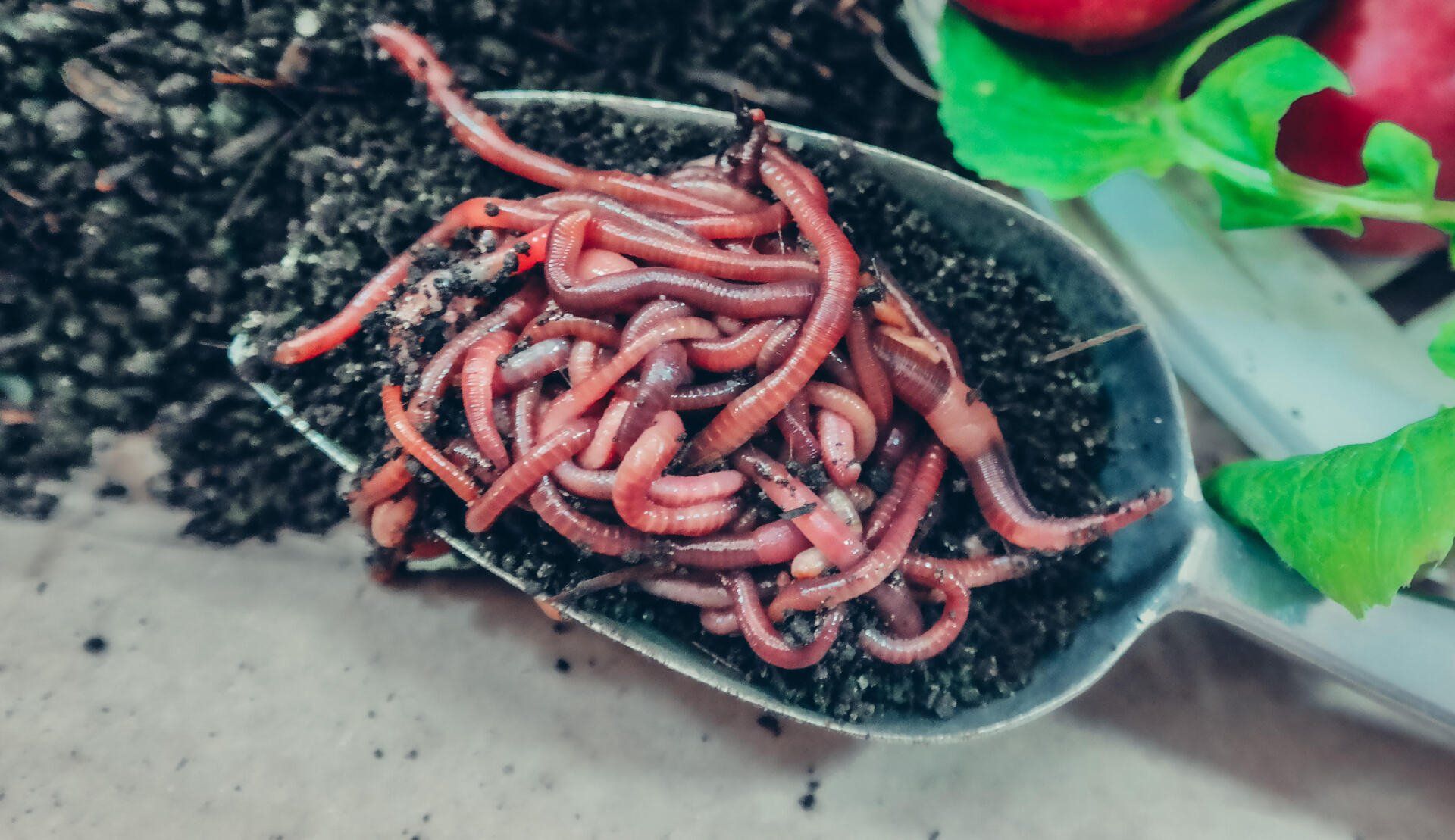
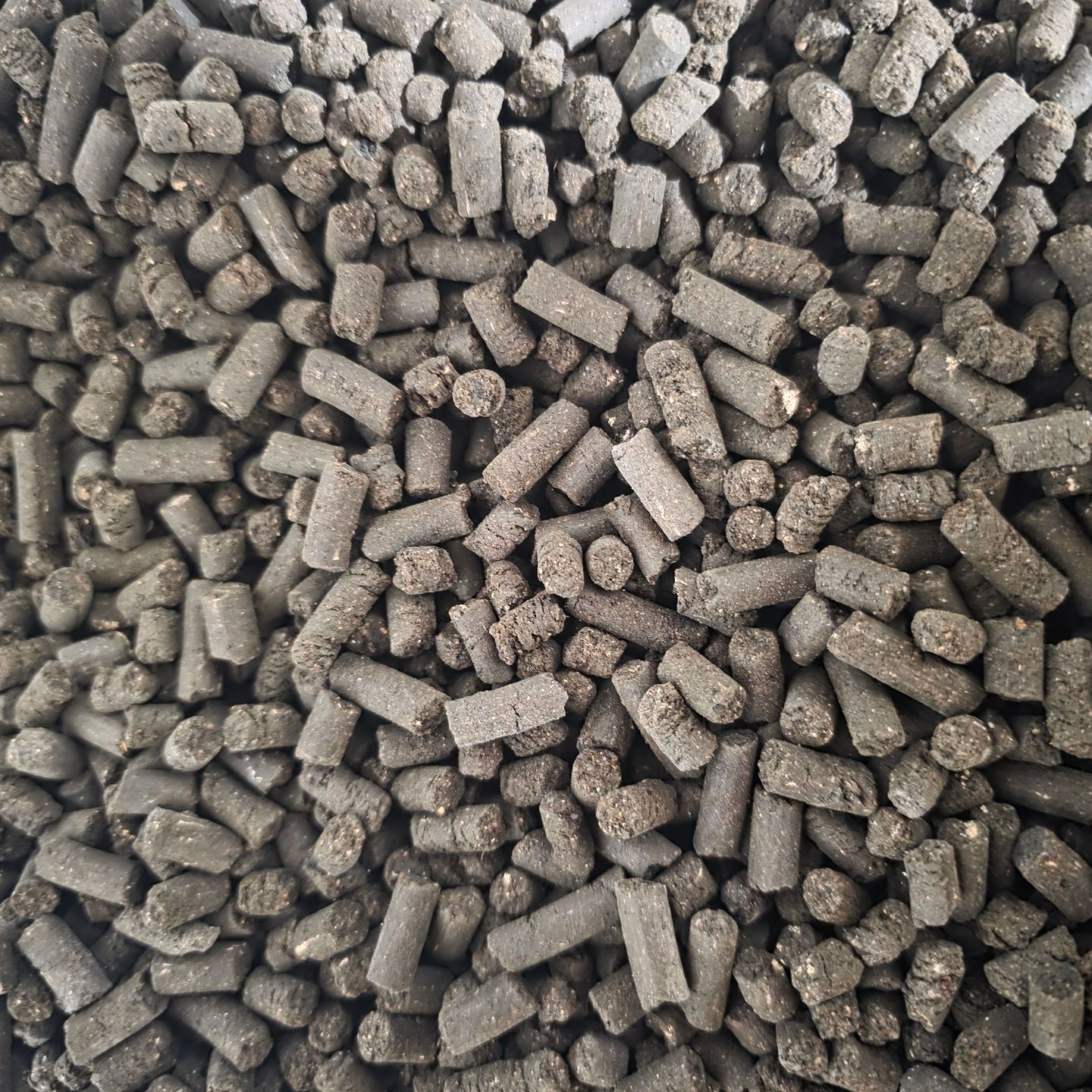
Compost, worm castings, and other biological amendments directly rebuild the soil biology regenerative practices rely on.
Regenerative Agriculture vs. Organic Farming
Related philosophies, but defined by different things: inputs avoided versus outcomes pursued.
| Regenerative Agriculture | Organic Farming | |
|---|---|---|
| Primary focus | Actively rebuilding soil health outcomes | Avoiding specific synthetic inputs |
| Certification required? | No formal certification standard | Often requires formal certification |
| Measured by | Soil organic matter, biology, water cycles | Compliance with an approved-inputs list |
| Can overlap? | Yes, a farm can be both organic and regenerative, or either one independently | |
Common Mistakes to Avoid
Regenerative agriculture is a system, not a checklist, and treating it like one causes problems.
Frequently Asked Questions
What is regenerative agriculture? +
What practices fall under regenerative agriculture? +
How is regenerative agriculture different from organic farming? +
Does regenerative agriculture reduce crop yields? +
How does worm castings use fit into regenerative agriculture? +
Is regenerative agriculture only for large farms? +
How long does it take to see results from regenerative practices? +
How does regenerative agriculture relate to living soil? +
Worm castings support regenerative agriculture's core goal directly, introducing diverse soil biology and stable organic matter without synthetic inputs.