Worm Pasture
Definition
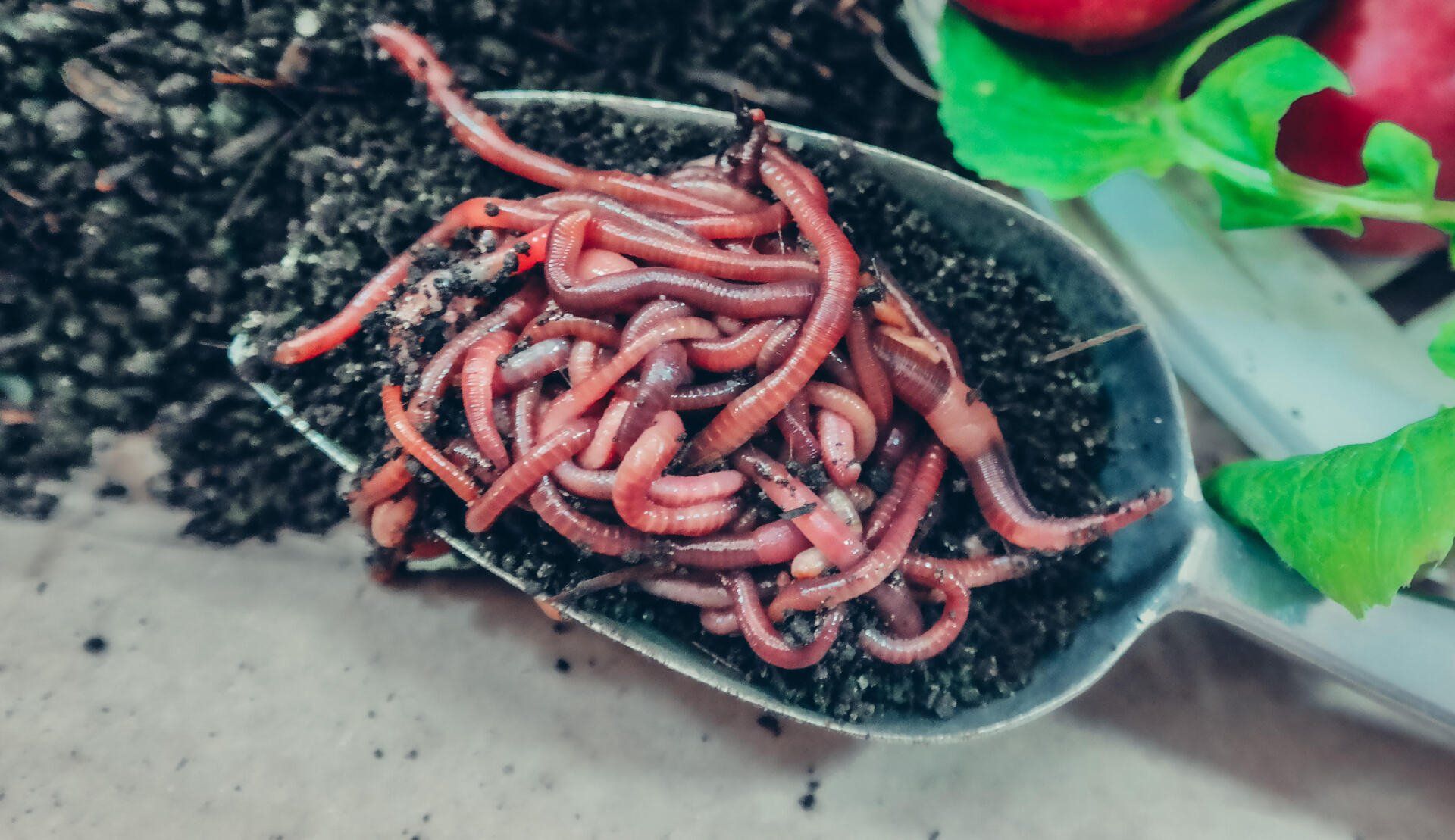
A worm pasture is a natural-style production environment where worms are raised with diverse food sources and habitat rather than confined to a uniform, single-input bin, an approach that mimics the varied conditions worms would encounter in the wild rather than a strictly controlled industrial setup.

Research shows feedstock can shape the microbial community in castings, even if the term isn't standard.
Sources: Scientific Reports (Domínguez et al., 2019), Folia Microbiologica (Alias et al., 2025), UniMAP repository
Why It Matters
Worms raised on a single, uniform food source and in a stripped-down environment can be more efficient to manage at scale, but a pasture-style approach that offers dietary and habitat diversity tends to produce healthier, more resilient worm populations and castings with a broader range of biological and nutritional characteristics.
How It Works
Cover crops, diverse organic residues, and varied moisture and habitat conditions are all maintained together, letting worms move through and select from a range of food sources and microhabitats the way they would in a natural, undisturbed environment, rather than being confined to one uniform input.
Benefits
- Healthier, more resilient worm populations
- Feedstock variety that can shift the castings' microbial community
- Less dependence on a single feed source
- A production approach closer to natural conditions
Sources: Folia Microbiologica (Alias et al., 2025), UniMAP repository, Scientific Reports (Domínguez et al., 2019)
Applying the Pasture Approach at Home
The principle scales down: it's about variety, not a specific setup or piece of equipment.
Vary Your Feedstock
Rotate through fruit and vegetable scraps, coffee grounds, eggshells, and shredded paper rather than feeding one uniform input repeatedly.
Add Occasional Cover Crop Residue
If available, small amounts of cover crop trimmings or diverse yard waste add another layer of dietary variety.
Blend Bedding Types
Combining multiple bedding materials, not just one, adds habitat diversity alongside dietary diversity.
Balance Diversity with Manageability
More variety adds some complexity to manage. Start with 2–3 varied inputs rather than trying to maximize diversity all at once.
Sources: Oregon State University Extension (EM 9034), Washington State University Extension, NC State Extension (Sherman), Raising Earthworms Successfully
Worm Pasture vs. Standard Worm Bin
Both raise worms successfully — the tradeoff is consistency and ease of management versus diversity.
| Worm Pasture | Standard Worm Bin | |
|---|---|---|
| Feedstock | Diverse, varied inputs | Often a single, consistent input |
| Habitat | Varied moisture and microhabitats | Uniform, controlled conditions |
| Management complexity | Higher — more inputs to source and coordinate | Lower — simpler, more predictable routine |
| Consistency of output | More variable batch to batch | More predictable and uniform |
| Best for | Growers prioritizing biological diversity over uniformity | Operations prioritizing consistency and ease of scale |
Sources: Scientific Reports (Domínguez et al., 2019), Folia Microbiologica (Alias et al., 2025), UniMAP repository, Oregon State University Extension (EM 9034)
Common Mistakes to Avoid
The pasture approach rewards planning ahead more than a standard uniform bin does.
Sources: Oregon State University Extension (EM 9034), NC State Extension (Sherman), Raising Earthworms Successfully, Scientific Reports (Domínguez et al., 2019)
Frequently Asked Questions
What is a worm pasture? +
Is worm pasture a standard industry term? +
Why would a diverse diet matter for worms? +
Does a worm pasture produce better castings than a standard bin? +
How is a worm pasture different from a standard worm bin? +
Can I replicate a worm pasture approach at home? +
How does a worm pasture differ from a floating worm bed? +
The worm pasture approach emphasizes raising worms in a rich, living environment rather than treating them as a uniform factory input — diversity in, diversity out.